
Most Popular steroids USA
-
 Methenolone Enanthate 100mg 10 ml Geno Pharma
Original price was: $130.00.$115.00Current price is: $115.00.
Methenolone Enanthate 100mg 10 ml Geno Pharma
Original price was: $130.00.$115.00Current price is: $115.00. -
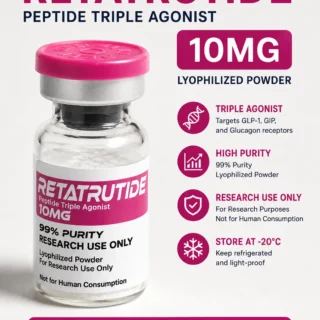
Retatrutide Peptide Buy 10mg 3ml
Original price was: $250.00.$120.00Current price is: $120.00.
-
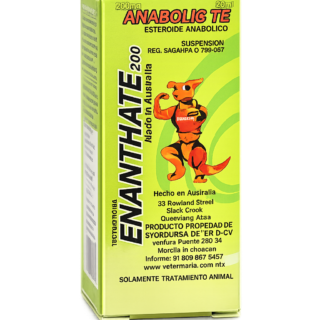
Test Enanthate 200mg 20 ml Sydgroup
Original price was: $110.00.$53.00Current price is: $53.00.
-
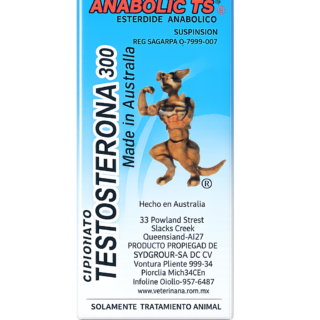
Testosterone Cypionate 300mg 20ml Sydgroup
Original price was: $99.00.$53.00Current price is: $53.00.
-
Somatrox XT Labs 150 IU x 10 vials (15 ui each)
Original price was: $450.00.$350.00Current price is: $350.00.
-
Boldenone Cypionate 200 mg / 10 mL Geno Pharma
Original price was: $90.00.$85.00Current price is: $85.00.
-
Steroid Deca Geno Pharma 300mg 10ml
Original price was: $110.00.$99.00Current price is: $99.00.
-
Eq 300 steroid Rotterdam 10ml
Original price was: $79.00.$69.00Current price is: $69.00.
-
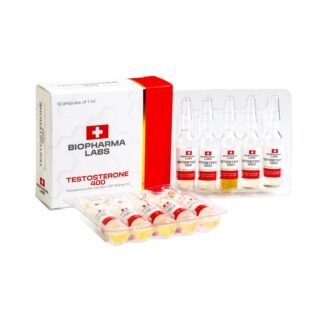
Testosterone 400 Biopharma 10 Ampoules
Original price was: $99.00.$75.00Current price is: $75.00.
-
Testosterone Cypionate 200 Biopharma 10 amp
Original price was: $99.00.$72.00Current price is: $72.00.
-
Buy Testosterone E 300mg 10 ml Geno Pharma Domestic USA/CA
$99.00
-
Testosterone Cypionate Buy 300mg 10ml Geno Pharma
$99.00
-
Buy Anavar 10mg – Purchase Geno Pharma
$99.00
-
Anavar for Sale in USA – 10mg 80 Tabs GPH-Premium
Original price was: $110.00.$80.00Current price is: $80.00.






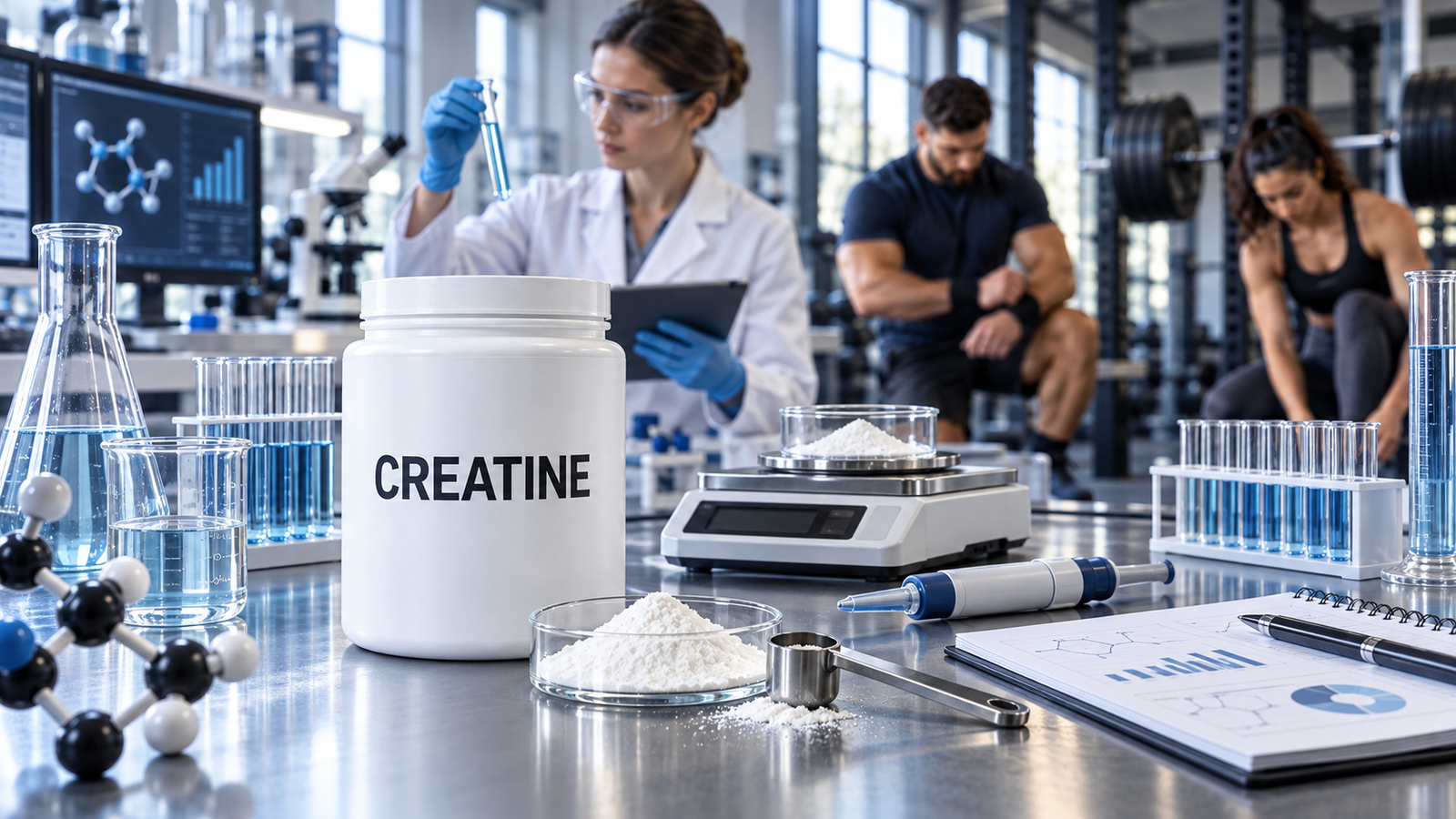
Creatine is a naturally occurring compound that helps cells rapidly regenerate energy. Your body makes it, you obtain smaller amounts from meat and fish, and most of it resides in skeletal muscle. As a supplement, creatine can increase the amount stored in muscle and improve performance during repeated, high-intensity efforts such as lifting weights, sprinting, and explosive sport movements. The best-supported creatine benefits include greater gains in strength, improved capacity for repeated intense exercise, and a modest additional increase in lean mass when supplementation accompanies resistance training. Creatine does not replace progressive training, sufficient calories, protein, sleep, or recovery. It also does not produce steroid-like hormonal effects. Early weight gain often includes water, while meaningful muscle development requires weeks or months of training.
Researchers also study creatine for healthy aging, recovery, and cognitive performance. Those areas remain important, but the evidence does not support treating every proposed benefit as equally certain. This guide separates established effects from promising findings and unproven marketing claims so that you can set realistic expectations.
Short answer: For a generally healthy adult who performs resistance training or repeated high-intensity exercise, creatine monohydrate ranks among the most extensively studied sports supplements. A consistent daily intake of 3–5 grams works for most supplementation protocols; loading can raise muscle stores faster but remains optional. People with kidney disease, significant medical conditions, abnormal laboratory results, pregnancy or breastfeeding, or medications that require kidney monitoring should obtain individualized medical advice before using it.
What Is Creatine?
Creatine is a small nitrogen-containing organic compound involved in cellular energy metabolism. People sometimes call it an amino acid, but that description lacks precision: the body synthesizes creatine from three amino acids—arginine, glycine, and methionine—yet it does not use creatine to build proteins in the way it uses protein-forming amino acids.
The liver and kidneys contribute to endogenous creatine synthesis. The bloodstream then transports creatine to tissues with high and rapidly changing energy demands. Skeletal muscle holds the overwhelming majority of the body’s creatine pool, although the heart, brain, and other tissues also use the creatine–phosphocreatine system. The National Institutes of Health Office of Dietary Supplements reports that the body produces roughly 1 gram per day and that animal foods supply additional creatine. (NIH Office of Dietary Supplements, 2024)
Where does dietary creatine come from?
Meat and fish contain naturally occurring creatine. Cooking can reduce some of their creatine content, and ordinary portions provide much less than a typical supplementation protocol. Milk and most plant foods contain little or no creatine, so vegetarians and vegans often consume less preformed creatine and may begin with lower average muscle stores.
Lower dietary intake does not automatically mean that someone has a medical deficiency. The body continues to synthesize creatine. It does, however, help explain why baseline muscle stores and the response to supplementation differ among individuals.
Where does the body store creatine?
Muscle stores creatine in two main forms:
- Free creatine, which remains available for cellular processes.
- Phosphocreatine, which carries a high-energy phosphate group that can help rapidly regenerate ATP.
An often-cited human muscle-biopsy study showed that oral creatine increased both total muscle creatine and phosphocreatine. Participants with lower starting concentrations generally stored more, which helped establish the idea that muscle has an upper practical storage limit and that individual responses vary. (Harris et al., 1992)
What is creatine monohydrate?
Creatine monohydrate combines a creatine molecule with water in a stable crystalline form. It is the form used in most foundational research and remains the reference standard for efficacy, dosing, long-term experience, and cost. “Monohydrate” does not mean that the supplement merely adds water or that all changes in lean mass represent water. It describes the chemical form of the ingredient.
Manufacturers also sell creatine hydrochloride (HCl), buffered creatine, creatine ethyl ester, creatine nitrate, gummies, liquid products, and proprietary blends. A different form can change solubility, serving size, taste, price, or manufacturing requirements. That does not prove it delivers better muscle saturation, performance, safety, or muscle growth. (Escalante et al., 2022)
Creatine vs. creatinine
Creatine and creatinine are related but not interchangeable. Creatinine forms as creatine and phosphocreatine break down at a relatively steady rate. Clinicians commonly measure serum creatinine to estimate kidney filtration because the kidneys normally remove it from the blood.
Supplementation can increase the amount of creatine available for conversion to creatinine. As a result, serum creatinine may rise even when kidney filtration has not deteriorated. This distinction matters when interpreting bloodwork, but it does not justify dismissing every abnormal kidney result as a supplement effect. A clinician must interpret the complete pattern.
Is creatine a steroid, hormone, or stimulant?
No. Creatine has a different chemical structure and mechanism from anabolic-androgenic steroids. It does not bind the androgen receptor to imitate testosterone, and it does not become testosterone after you ingest it. Creatine also lacks the acute central nervous system stimulation associated with caffeine or amphetamine-like stimulants.
Creatine usually produces no immediate “rush.” Its main performance effect develops as muscle creatine stores rise and the phosphocreatine system gains more capacity. Similar goals—such as becoming stronger—do not make creatine pharmacologically equivalent to a steroid. (Antonio et al., 2021)
What Are the Main Creatine Benefits?
The following table grades each proposed benefit according to the consistency and directness of human evidence. These categories offer an editorial summary, not a formal clinical guideline or GRADE assessment.
| Potential benefit | Evidence confidence | What the research supports | Who researchers commonly study | Important limitation |
|---|---|---|---|---|
| Greater strength gains with resistance training | Strong | Creatine can add to improvements in upper- and lower-body strength. | Healthy adults who lift weights; studies include more men than women | A pooled average cannot predict gains on a particular exercise. |
| Better repeated high-intensity performance | Strong | More work, power, or performance may persist across repeated brief efforts. | Lifters, sprinters, and intermittent-sport athletes | It does not improve every test or every athlete. |
| Additional lean mass during resistance training | Moderate to strong | Meta-analyses find a modest average advantage over training alone. | Younger and older adults in structured programs | Lean mass includes water and does not equal new contractile muscle. |
| Direct regional muscle hypertrophy | Moderate | Direct imaging generally favors creatine, but the average effect appears small. | Adults completing resistance-training studies | Studies vary in dose, training, measurement, and duration. |
| Support for older adults who resistance train | Moderate | Creatine may add to gains in lean tissue and some strength measures. | Primarily healthy older adults in supervised programs | Evidence does not show that creatine alone prevents frailty. |
| Faster recovery after muscle-damaging exercise | Low to moderate / mixed | Some markers of muscle damage improve in pooled analyses. | Healthy, active adults | Blood markers, soreness, function, and readiness do not always agree. |
| Cognitive performance | Promising but inconsistent | Some reviews report small benefits in memory or selected tasks. | Healthy adults and selected groups under different protocols | Tests, doses, baseline diets, and findings vary substantially. |
| Direct fat loss | Not established | Body composition may improve when better training produces more lean mass. | Exercising adults | Creatine is not a direct fat burner. |
| Higher testosterone or steroid-like effects | Not supported | Creatine works through energy metabolism, not androgen replacement. | Healthy supplement users | Marketing often confuses strength outcomes with hormonal action. |
The evidence most strongly supports creatine for activities that repeatedly draw on rapid ATP regeneration. The NIH Office of Dietary Supplements describes benefits for strength, power, work from maximal contractions, and adaptation to training, while noting much less value for continuous endurance exercise. (NIH Office of Dietary Supplements, 2024)
How Does Creatine Work?
ATP supplies immediate cellular energy
Adenosine triphosphate, or ATP, serves as the cell’s immediately usable energy currency. When a muscle contracts, ATP loses a phosphate group and becomes adenosine diphosphate, or ADP. Muscle stores only enough immediately available ATP to sustain maximal effort for a very short time, so it must continually regenerate ATP through several energy systems.
During the opening seconds of a hard set, sprint, jump, or throw, the phosphagen system makes a major contribution. Phosphocreatine donates its phosphate group to ADP through the creatine kinase reaction, rapidly forming ATP again. This process does not create unlimited energy. It acts as a fast buffer that helps bridge the gap while slower metabolic pathways contribute more.
Supplementation expands the available creatine pool
Creatine supplementation can raise total muscle creatine stores, although the size of the increase differs among people. Someone who starts with relatively low stores may experience a larger rise than someone whose muscles already hold concentrations near their practical upper limit. Diet, muscle mass, fiber characteristics, dose, adherence, and individual biology all influence the response.
Classic work compared a rapid loading strategy with a smaller daily intake. About 20 grams per day for six days raised muscle creatine quickly, while 3 grams per day for 28 days produced a similar increase more gradually. This finding explains why loading changes speed rather than the eventual necessity of supplementation. (Hultman et al., 1996)
Why this can improve training
A larger phosphocreatine pool may help maintain performance across repeated intense efforts and support faster phosphocreatine restoration during short recovery intervals. In practice, the advantage might appear as one additional technically sound repetition, slightly more total work, better maintenance of power across sprints, or less decline from one set to the next.
One extra repetition does not transform a physique. The potential becomes meaningful when small improvements accumulate through weeks and months of progressive training. More high-quality work can create a stronger training stimulus, which may contribute indirectly to greater strength and muscle adaptation.
Does creatine directly build muscle?
Creatine does not function like dietary protein and does not directly become muscle tissue. Researchers have proposed several pathways beyond energy availability, including cellular hydration, glycogen storage, satellite-cell activity, growth-related signaling, and changes in training volume. However, mechanistic plausibility does not establish the real-world size of each pathway in humans.
The most defensible explanation remains layered:
- Supplementation increases muscle creatine availability.
- The phosphocreatine system can support repeated high-intensity work.
- Some people complete more productive training over time.
- That improved training stimulus can contribute to additional strength and hypertrophy.
Water also enters the interpretation. Creatine can increase intracellular water, particularly early in supplementation. That water sits largely within muscle tissue rather than representing body fat, but a scan may classify it as lean mass. Consequently, an early increase in lean mass does not prove an equal increase in contractile muscle protein.
Creatine Benefits for Muscle Growth
Will creatine build muscle?
Creatine can help you build more muscle when you combine it with progressive resistance training, adequate nutrition, and sufficient recovery. The supplement does not replace the mechanical tension and repeated training stimulus that drive hypertrophy. Without that stimulus, increasing muscle creatine stores should not produce a large amount of new muscle tissue by itself.
A 2024 systematic review and meta-analysis pooled 12 resistance-training studies in adults younger than 50. Compared with resistance training alone, creatine plus resistance training increased lean body mass by an average of 1.14 kilograms more; the 95% confidence interval ranged from 0.69 to 1.59 kilograms. The result supports a meaningful average effect, but it does not mean every user will gain 1.14 kilograms of pure new muscle. (Desai et al., 2024)
That distinction matters because researchers often estimate body composition with dual-energy X-ray absorptiometry, air-displacement plethysmography, or bioelectrical impedance. These methods classify fat-free tissue, but they do not directly count newly formed muscle proteins. Hydration, glycogen, food intake, and measurement conditions can influence the result.
Lean mass and muscle hypertrophy are not the same measurement
Lean body mass includes skeletal muscle, organs, connective tissue, body water, and other non-fat components. Hypertrophy refers more specifically to an increase in muscle-fiber or muscle-tissue size. A person can gain lean mass quickly through additional water, while true hypertrophy develops through repeated training and remodeling.
A separate 2023 meta-analysis focused on regional measures of muscle size obtained through methods such as ultrasound, MRI, and CT. Across 10 studies, the overall estimate slightly favored creatine, but the effect was very small and the uncertainty included the possibility of no effect. The authors’ analysis therefore supports a potential hypertrophy advantage while challenging dramatic marketing claims. (Burke et al., 2023)
A 2025 randomized trial helps illustrate the measurement problem. Participants took 5 grams per day for one week before beginning a 12-week resistance-training program. The creatine group gained more measured lean mass during that initial week, but the groups did not differ in lean-mass gains during the subsequent training phase. The trial did not use a placebo and could not determine exactly how much of the initial change represented water, so it does not erase the broader meta-analytic evidence. It does show why a rapid scale or scan change should not automatically count as new muscle. (Desai et al., 2025)
Early weight gain vs. new muscle tissue
The timeline helps separate likely causes:
| Time after starting | What may change | What you can reasonably conclude |
|---|---|---|
| First several days, especially with loading | Muscle creatine, intracellular water, and scale weight | A rapid increase does not equal rapid hypertrophy. |
| First 2–4 weeks | Muscle stores continue rising; training performance may begin to change | Look for repeated performance trends, not an immediate sensation. |
| Several weeks to months | Strength and measurable muscle size may improve with effective training | Creatine may contribute, but training, food, sleep, and starting status also matter. |
| Long term | Small advantages can accumulate if supplementation supports productive training | No study average guarantees an individual outcome. |
Water stored within muscle can make muscles look fuller. That effect is not “fake,” but it differs from adding contractile tissue. When you evaluate progress, use several indicators: body weight under consistent conditions, circumferences, standardized photos, performance records, and, when available, properly standardized body-composition measurements.
Does creatine increase muscle protein synthesis?
Claims that creatine directly switches on muscle protein synthesis often exceed what human outcome data can prove. Creatine may influence cellular signals related to growth and may help users tolerate more training, but protein intake and resistance exercise remain the primary direct drivers of the muscle-protein remodeling process.
The practical takeaway is straightforward: treat creatine as a tool that can improve the environment for training adaptation, not as a substitute for training or dietary protein. If your program lacks progression, your energy intake does not support your goal, or recovery remains poor, creatine cannot independently correct those problems.
How large should the muscle-building effect feel?
Expect a modest contribution, not a transformation. A visible response can differ because people vary in baseline stores, training experience, program quality, diet, genetics, body size, and measurement method. New lifters may gain muscle rapidly from training regardless of supplementation, making creatine’s independent contribution difficult to notice. Experienced lifters progress more slowly, so even a small additional training advantage may matter over a longer period.
Creatine Benefits for Strength, Power, and Athletic Performance
Maximum strength
Strength represents the clearest outcome for many gym users. A 2024 meta-analysis of 23 studies in adults younger than 50 found greater gains when participants combined creatine with resistance training. The pooled advantage was approximately 4.43 kilograms for upper-body strength tests and 11.35 kilograms for lower-body strength tests. (Wang et al., 2024)
Those numbers combine different exercises, testing methods, training programs, doses, and populations. They do not predict how many pounds creatine will add to your bench press or squat. Their value lies in showing that an additional average effect exists across studies, not in creating a guaranteed target.
Neural adaptation, technical practice, muscle growth, confidence, programming, and body mass all influence strength. Creatine contributes to one part of that system by supporting repeated high-energy work. It does not make technique irrelevant, and it cannot rescue poor exercise selection or inconsistent training.
Explosive power
Power combines force and speed. Jumps, throws, short accelerations, Olympic-weightlifting movements, and brief cycling sprints require rapid energy turnover. The phosphocreatine system plays an important role in these efforts, so creatine has a strong biological fit.
Research does not show an improvement in every single maximal attempt. Benefits often appear more clearly when an athlete repeats powerful efforts with limited recovery. A fresh athlete may already produce a high first sprint; extra phosphocreatine availability may matter more as subsequent efforts challenge the ability to restore ATP quickly.
Repeated sprints and intermittent sport
Creatine may help activities that alternate short intense efforts with brief recovery: repeated running or cycling sprints, changes of direction, jumps, tackles, accelerations, and repeated sets in the gym. The exact transfer to competition depends on the sport, position, body-mass demands, training status, and test used.
An increase in body mass can create a tradeoff. A football player or power athlete may accept a small increase if strength or repeated power improves. A distance runner, climber, or weight-class athlete may view the same change differently. “Effective” therefore depends not only on physiology but also on the cost of carrying additional mass in the specific activity.
Training volume and fatigue resistance
People often describe creatine as reducing fatigue, but the phrase needs precision. Creatine does not prevent sleepiness, central fatigue, pain from poor technique, or exhaustion from an inappropriate program. It may help preserve performance during repeated brief efforts that rely substantially on the phosphagen system.
In resistance training, that could mean maintaining repetitions or load more effectively across sets. The difference may remain subtle in one workout. Over a complete training block, however, a small increase in high-quality volume can help explain better strength and hypertrophy outcomes.
Does creatine improve endurance?
Creatine offers much less consistent value for continuous aerobic exercise such as steady distance running, long-duration cycling, or swimming. Those activities rely more heavily on oxidative energy production, and added body mass can sometimes reduce movement economy. The NIH notes that creatine generally has little value for endurance sports that do not depend heavily on the short-term ATP–creatine phosphate system. (NIH Office of Dietary Supplements, 2024)
This does not mean endurance athletes can never benefit. Endurance competition can include surges, hills, finishing sprints, strength work, or repeated high-intensity intervals. Creatine might support those components, but evidence from lifting or sprint studies should not be presented as proof of a faster marathon.
Creatine Benefits for Recovery
Recovery has several meanings: restoring phosphocreatine between efforts, replenishing glycogen, reducing muscle damage, lowering soreness, regaining force, or feeling ready to train again. A study may improve one marker without improving all the others.
Recovery between repeated efforts
The clearest recovery-related mechanism occurs over seconds and minutes. Phosphocreatine levels fall during intense exercise and recover during rest. A larger available creatine pool can help support repeated bouts, which connects directly to strength sets and intermittent sport.
Muscle damage and soreness
A 2021 systematic review and meta-analysis found that creatine reduced creatine kinase, a blood marker often used in exercise-induced muscle-damage research. The included studies varied considerably, and blood-marker changes do not guarantee less soreness, faster restoration of strength, or a better next workout. (Jiaming & Rahimi, 2021)
For that reason, recovery belongs in a lower-confidence category than strength or repeated high-intensity performance. Use training performance, symptoms, sleep, and function—not a supplement claim—to decide whether you have recovered. Persistent pain, swelling, weakness, dark urine, or a major decline in function requires appropriate medical evaluation rather than more creatine.
Glycogen restoration
Some studies suggest that creatine combined with carbohydrate intake may support muscle glycogen accumulation under specific depletion and refeeding conditions. That finding may matter to athletes who train repeatedly, but it does not establish that creatine replaces carbohydrate intake or improves everyday recovery in every lifter. The overall recovery plan still depends on training load, calories, protein, carbohydrate needs, fluids, and sleep.
Creatine Benefits for Women and Men
Creatine participates in the same fundamental energy system in women and men. Both can increase muscle creatine stores and potentially improve resistance-training or high-intensity exercise outcomes. However, researchers have historically enrolled more men, leaving less precise estimates for women and for specific life stages.
Creatine benefits for women
Women should not view creatine as a male-only or bodybuilding-only supplement. In a controlled 10-week study of 19 young women, creatine supported improvements in several resistance-training outcomes compared with placebo. The small sample limits generalization, but the trial directly demonstrates that women can respond. (Vandenberghe et al., 1997)
Potentially relevant factors include lower dietary creatine intake, differences in absolute muscle mass, training status, and baseline muscle stores. None of these factors allows a universal prediction. A woman who eats meat and has relatively high starting stores may respond differently from a vegan athlete with lower stores, and two people with similar diets may still obtain different results.
Reviews discuss creatine across menstruation, pregnancy, postpartum recovery, and menopause. These biological questions deserve research, but current evidence does not justify promises that creatine “balances female hormones,” requires a menstrual-phase-specific schedule, or treats menopausal symptoms. Data during pregnancy and breastfeeding remain insufficient for a routine self-directed recommendation. (Smith-Ryan et al., 2021)
For women focused on strength or body composition, the same interpretive rule applies: early water-related weight does not equal fat gain, and long-term muscle development still requires resistance training.
Creatine benefits for men
Men make up a large share of the creatine literature, especially studies involving trained athletes and resistance exercise. The evidence supports improved training capacity and strength for many male participants, but creatine remains an adjunct rather than a hormonal shortcut.
Creatine should not serve as self-treatment for low testosterone, erectile dysfunction, infertility, or another endocrine concern. A 2025 placebo-controlled trial that examined hair outcomes found no creatine-specific increase in testosterone or DHT over 12 weeks. (Lak et al., 2025)
Does sex determine who responds?
Current evidence does not support a simple rule that one sex always responds more strongly. Baseline creatine stores, habitual diet, dose, muscle mass, training design, age, and adherence may matter as much or more. Differences in study size also affect apparent results: when researchers enroll fewer women, estimates become less precise and a real effect becomes harder to detect.
The responsible conclusion is that women and men can share the core performance benefits while questions about life stage and subgroup response remain open.
Creatine Benefits for Older Adults
Age-related losses in muscle mass and strength can reduce function, but no supplement independently prevents sarcopenia. Resistance training, adequate nutrition, medical care, and management of illness remain central. Creatine may strengthen that broader strategy for some older adults.
A meta-analysis of 22 trials found that older adults who combined creatine with resistance training gained more lean tissue and improved some strength outcomes compared with placebo plus training. Effects varied by test and study, and the research does not show that creatine alone prevents falls, disability, or loss of independence. (Chilibeck et al., 2017)
Older adults also have a higher probability of chronic kidney disease, multiple medications, or conditions that affect hydration and laboratory interpretation. A healthcare professional can evaluate those factors before supplementation. The goal is not to exclude older adults automatically; it is to avoid applying safety data from healthy young athletes without considering clinical context.
Does Creatine Benefit the Brain?
The brain needs continuous energy and contains its own creatine–phosphocreatine system. That biological rationale has led researchers to study memory, attention, processing speed, mental fatigue, sleep deprivation, depression, neurological disease, and aging. A plausible mechanism, however, does not guarantee a noticeable cognitive benefit.
Memory and cognitive performance
A 2024 systematic review and meta-analysis reported improvement in some cognitive outcomes, including memory, but also rated parts of the evidence as limited or uncertain. Another 2024 systematic review reached a more skeptical interpretation, emphasizing inconsistent findings and problems with study design, dose, duration, and theoretical assumptions. (Xu et al., 2024; McMorris et al., 2024)
A preregistered randomized crossover trial studied 123 adults who took 5 grams per day of creatine or placebo during six-week periods. Results remained compatible with a small benefit, but the two primary cognitive outcomes did not reach conventional statistical significance, exploratory tasks showed no clear improvement, and vegetarians did not outperform omnivores in response. The authors concluded that larger studies would need to confirm or rule out a small effect. (Sandkühler et al., 2023)
The European Food Safety Authority separately evaluated a proposed health claim and concluded that the available evidence did not establish a cause-and-effect relationship between creatine consumption and improved cognitive function. That regulatory conclusion does not prove that creatine has no cognitive effect; it means the submitted evidence did not meet the standard required for the proposed general claim. (EFSA Panel on Nutrition, Novel Foods and Food Allergens, 2024)
Sleep deprivation and mental stress
Some experiments suggest creatine may become more relevant when brain energy demand rises or sleep loss creates metabolic stress. These studies generate useful hypotheses, but a result under acute sleep deprivation cannot automatically predict better concentration in a healthy, rested adult. Nor does it justify deliberately sleeping less because someone takes creatine.
What the evidence cannot yet prove
Current research does not establish that creatine reliably makes every healthy person smarter, prevents dementia, treats depression, or substitutes for medical care. Clinical and brain-specific protocols sometimes use doses or durations that differ from sports-nutrition routines. Readers should not transfer a preliminary finding in one population to an unrelated diagnosis.
For a gym-focused audience, view cognition as a possible secondary benefit rather than the primary reason to expect results. Strength and repeated high-intensity performance have a more consistent evidence base.
Who May Benefit Most From Creatine?
Creatine does not produce identical results in everyone, but several groups have a strong biological or practical reason to consider it.
People who perform resistance training
Bodybuilders, powerlifters, recreational lifters, and people training for general strength closely match the activities studied in much of the literature. They may benefit from greater training capacity, strength gains, and modest additional lean-mass development over time.
The supplement matters most when the program already contains progressive overload, appropriate exercise selection, sufficient effort, and recovery. Someone who trains inconsistently will not obtain the same opportunity to turn small performance improvements into long-term adaptation.
Athletes who repeat brief, intense efforts
Sprinters, jumpers, throwers, combat-sport athletes, football players, soccer players, hockey players, and athletes in other intermittent sports may draw repeatedly on rapid ATP regeneration. The match is not perfect for every position or event, and body-mass changes can create a disadvantage in some contexts. Competition goals should guide the decision.
Vegetarians and vegans
People who avoid meat and fish tend to consume less preformed creatine and may begin with lower muscle concentrations. A systematic review found that supplementation reliably increased creatine stores and supported some performance outcomes in vegetarians. It did not show that every vegetarian gains more performance benefit than every omnivore. (Kaviani et al., 2020)
Older adults who resistance train
Older adults may benefit when creatine accompanies an appropriate exercise program. The goal should remain functional: preserving or improving strength, training capacity, and lean tissue—not chasing a rapid change on the scale. Medical context becomes increasingly important with age.
People with lower starting stores
Lower baseline muscle creatine creates more room for storage to increase. Diet contributes, but it does not explain all variation. Some people experience a large rise in muscle creatine, others a smaller rise, and a minority may notice little measurable performance difference. “Responder” and “nonresponder” describe a continuum rather than two permanent biological categories.
Who may notice less benefit?
Someone who already has high muscle stores, performs only continuous low-intensity endurance exercise, trains sporadically, or expects an acute stimulant effect may notice little. Creatine can still raise stores without creating a dramatic subjective sensation. The relevant question is whether objective performance and long-term goals improve—not whether a serving feels powerful.
How Long Does Creatine Take to Work?
The answer depends on the outcome. Increasing muscle stores, noticing a change in repeated performance, gaining scale weight, increasing strength, and building new muscle operate on different timelines.
| Goal or observation | Approximate timeframe | Important interpretation |
|---|---|---|
| Raise muscle stores with loading | About 5–7 days | Faster saturation does not mean a week of new muscle growth. |
| Raise muscle stores without loading | About 3–4 weeks | A consistent smaller dose can reach a similar endpoint more gradually. |
| Notice early scale-weight change | Days to several weeks | The change may largely reflect water, especially after loading. |
| Evaluate repeated-effort performance | Several workouts after stores rise | Use repeatable tests; do not rely on a “feeling.” |
| Evaluate strength or muscle growth | At least several weeks to months | Training quality and individual variability dominate the timeline. |
With a loading phase
A common loading protocol supplies about 20 grams per day, divided into four 5-gram servings, for 5–7 days. This approach raises muscle stores quickly and may produce earlier weight gain or gastrointestinal symptoms. After loading, a maintenance intake of 3–5 grams per day generally follows. (Hultman et al., 1996)
Without a loading phase
Taking 3–5 grams each day can raise stores over roughly 3–4 weeks. This approach involves fewer servings and often feels simpler. Once stores reach a similar level, research does not establish that loading produces greater eventual strength or muscle growth merely because it got there faster.
Why results differ
Starting stores, diet, body size, muscle-fiber characteristics, dose, adherence, training status, and the outcome you measure all contribute. A user may gain water without noticing better performance, improve repetitions without seeing a rapid visual change, or progress in the gym while other variables obscure creatine’s precise contribution.
Use a stable program and record several sessions. One unusually good or bad workout cannot prove that creatine worked or failed.
How to Take Creatine: Dosage, Timing, and Consistency
Evidence-based daily dosage
For generally healthy adults, 3–5 grams per day of creatine monohydrate represents a widely researched and practical maintenance approach. Larger people sometimes use body-mass-based protocols, but most recreational users do not need a complicated calculation to begin. The NIH describes 20 grams per day for 5–7 days followed by 3–5 grams per day as a typical loading strategy and 3–6 grams daily for several weeks as an alternative without loading. (NIH Office of Dietary Supplements, 2024; Kreider et al., 2017)
These amounts describe research protocols for adults, not personalized prescriptions. A scoop is not a universal unit: product scoops vary, so check the labeled gram amount and use an accurate scale when precision matters.
Is a loading phase necessary?
No. Loading offers speed, not a unique final benefit.
| Strategy | Typical protocol | Main advantage | Main drawback |
|---|---|---|---|
| No loading | 3–5 g once daily | Simple and often easier on digestion | Muscle stores rise more slowly |
| Optional loading | 20 g/day split into four 5 g servings for 5–7 days, then 3–5 g/day | Faster increase in muscle stores | More servings, faster water-weight change, and possible GI discomfort |
People who want a simple long-term routine can skip loading. Athletes working toward a specific date may prefer faster saturation, but they should test the protocol before important competition rather than introducing a new routine at the last minute.
Should you take creatine before or after a workout?
Research has not established a dependable, practically important advantage for one exact time. Small timing studies sometimes favor post-workout use, but designs and sample sizes prevent a firm conclusion. (Ribeiro et al., 2021)
Consistency matters more than a narrow “anabolic window.” Choose a time connected to an existing habit—breakfast, a post-training meal, or another daily routine. Calling that time “best” means it helps you remember, not that the clock creates a pharmacological effect.
Should you take creatine on rest days?
Yes, if you follow a daily supplementation plan. The purpose is to build and maintain tissue stores, not only to supply a pre-workout dose. Rest-day use also makes the routine easier to remember.
What if you miss one day?
One missed serving will not empty your muscles. Stores decline gradually after supplementation stops. Resume your normal dose the next day; an oversized “make-up” serving offers little reason and may increase digestive discomfort.
Does creatine need to be cycled?
Research does not show that healthy adults must cycle creatine to preserve its effect or “restart” natural production. Some people stop because their goals change, they want to assess whether it contributes, or a clinician asks them to pause before testing. A break remains a choice, not a universal physiological requirement.
Should you take creatine with food?
Taking creatine with a meal can make the habit convenient and may reduce stomach discomfort for some users. Carbohydrate or carbohydrate-plus-protein intake can influence creatine retention in experimental settings, but total daily consistency matters more for most people than constructing a special high-sugar delivery system.
Can you mix creatine with caffeine?
Many athletes consume both. Research does not support a universal rule that caffeine cancels creatine, although the combination may cause gastrointestinal discomfort for some people and caffeine has its own dose-dependent effects on sleep, heart rate, anxiety, and performance. Evaluate each ingredient and your tolerance rather than assuming that every pre-workout blend is appropriate.
How much water should you drink?
Creatine does not create a special universal water requirement. Drink according to body size, climate, exercise duration, sweat rate, diet, and medical needs. Controlled research does not support the claim that creatine inherently causes dehydration, but the supplement also does not protect an athlete from poor hydration practices.
Creatine Benefits and Side Effects: What to Consider
Healthy adults generally tolerate creatine monohydrate at studied doses. “Generally safe” does not mean that every product suits every person, that side effects never occur, or that evidence from healthy participants answers every question about chronic disease, pregnancy, children, or uncommon long-term outcomes.
A 2026 analysis assembled adverse-event information from 684 randomized trials involving more than 12,800 participants. Reported events were infrequent, usually mild, and did not show a consistent relationship with creatine dose or study duration. The breadth of that dataset is reassuring, but study-level reporting was incomplete and heterogeneous; it cannot prove safety for every medical condition or detect every rare event. (Gonzalez et al., 2026)
Water retention and weight gain
Water-related weight gain represents the most consistent effect beyond performance. Increasing muscle creatine changes osmotic balance and can draw water into muscle cells, especially during loading. Some people notice a fuller muscular appearance or a scale increase during the first week; others experience a smaller change.
The NIH notes that creatine used with strength training can increase total body weight by roughly 1–2 kilograms in a month in some studies. That number includes water and, over longer periods, potentially training-related tissue changes. It does not mean every user gains that amount. (NIH Office of Dietary Supplements, 2024)
Creatine does not directly create body fat. If fat mass increases, total energy balance and other behaviors provide more likely explanations. Conversely, calling all creatine-related weight “muscle” exaggerates the evidence.
Bloating, nausea, stomach upset, and diarrhea
Gastrointestinal symptoms occur most often with large single servings, poorly dissolved powder, or individual intolerance. In a controlled study of male soccer players, one 10-gram serving produced more diarrhea than the same daily amount divided into two 5-gram servings. (Ostojic & Ahmetovic, 2008)
Practical options include skipping loading, dividing the dose, taking it with a meal, and ensuring the product does not contain another ingredient causing symptoms. Persistent vomiting, diarrhea, pain, or signs of dehydration warrant medical attention rather than repeated experimentation.
Can creatine affect the kidneys?
Kidney concerns require two separate questions:
- Does supplementation change serum creatinine?
- Does it damage filtration or kidney tissue?
A 2025 systematic review and meta-analysis found a modest rise in serum creatinine without a significant pooled change in glomerular filtration rate. The studies varied in population, dose, duration, and quality. (Naeini et al., 2025)
A 2026 systematic review of randomized trials reached a similar distinction. Creatine increased serum creatinine and lowered creatinine-based filtration estimates, while analyses using chromium-51 EDTA—an independent filtration marker—did not find a significant filtration change. The authors also identified limited data in people with nondialysis chronic kidney disease. (de Souza Almeida et al., 2026)
For a generally healthy adult, this evidence is reassuring. It also explains why supplementation can make an estimated glomerular filtration rate based on creatinine appear lower. Nevertheless, never assume an abnormal test has no clinical importance. Tell the clinician about creatine use, dose, duration, recent exercise, muscle mass, and other supplements. The clinician may consider the full history, urine testing, repeated measurements, cystatin C, or a directly measured filtration method when appropriate.
People with known kidney disease, unexplained abnormal renal tests, recurrent kidney problems, or medications that require renal monitoring need individualized advice. Healthy-athlete data cannot establish safety for every stage of kidney disease.
Can creatine affect the liver?
Longer observational research in athletes has not found clinically important deterioration in the liver-related markers studied during creatine use. (Kreider et al., 2003) However, these data cannot exclude every rare reaction, contamination problem, or risk in someone with existing liver disease.
Creatine does not treat fatty liver disease, hepatitis, or abnormal liver enzymes. Multi-ingredient supplements complicate interpretation because another ingredient, an undeclared drug, or contamination could create risk that pure creatine monohydrate research does not represent.
Can creatine affect the heart?
Creatine participates in energy metabolism in cardiac tissue, but sports-supplement trials do not establish it as a treatment for heart disease. Standard creatine monohydrate has not shown a consistent pattern of cardiovascular harm in healthy adults at studied doses, yet evidence remains less comprehensive for people with heart failure, arrhythmias, uncontrolled blood pressure, or complex medication regimens.
Chest pain, fainting, new palpitations, severe shortness of breath, or exercise intolerance requires medical assessment. Do not attribute such symptoms to “normal creatine adjustment,” and do not use creatine to replace prescribed cardiovascular treatment.
Does creatine cause dehydration or muscle cramps?
Controlled research does not support a causal claim that creatine inherently causes dehydration, heat illness, or cramping. A systematic review with meta-analyses found no adverse effect on hydration status or heat tolerance in exercising participants. (Lopez et al., 2009)
Athletes can still become dehydrated or develop cramps for many reasons, including heat, sweat losses, illness, inadequate fluids, training load, or electrolyte imbalance. Creatine neither causes every episode nor makes normal prevention unnecessary.
Does creatine cause hair loss?
The concern largely grew from a small 2009 study that measured DHT but did not measure hair loss. A more directly relevant 2025 randomized controlled trial assigned resistance-trained men to 5 grams per day of creatine or placebo for 12 weeks. Among 38 participants who completed the trial, researchers found no significant group differences in testosterone, DHT, hair density, follicular unit count, or hair thickness. (Lak et al., 2025)
That trial provides reassuring direct evidence, but 12 weeks in a modest male sample cannot exclude every possible effect across years, genetic backgrounds, sexes, and stages of androgenetic alopecia. If hair changes occur, consider the many common causes rather than assuming or dismissing creatine without evaluation.
Does creatine cause acne?
Research has not established creatine as a direct cause of acne. Creatine does not act as an anabolic steroid and does not consistently raise androgen concentrations. Training routines, sweat, skin-care products, diet changes, hormones, and other supplements can coincide with acne. A temporal association alone does not prove that creatine caused it.
Who should consult a healthcare professional first?
Seek individualized guidance before supplementation if you:
- Have diagnosed kidney disease, reduced kidney function, or unexplained abnormal renal tests.
- Have significant liver, heart, metabolic, or other chronic disease.
- Take medications that require kidney or fluid-status monitoring.
- Are pregnant, trying to conceive under medical care, or breastfeeding.
- Are considering use for a psychiatric, neurological, or other medical condition.
- Are younger than 18 and do not have appropriate parental and professional supervision.
- Have persistent symptoms or a history that changes the risk assessment.
This list does not mean creatine necessarily harms everyone in these groups. It means general sports-nutrition evidence cannot replace an individualized clinical decision.
Pregnancy, breastfeeding, and youth
Researchers continue to explore creatine in pregnancy and pediatric settings, but interest and biological rationale do not equal an established routine recommendation. Pregnant or breastfeeding people should not extrapolate from healthy male athletic studies. Young athletes require attention to diet, training supervision, product quality, dose, and informed parental and professional involvement.
What Happens If You Take Creatine Without Working Out?
Creatine can raise muscle creatine stores even if you do not lift weights. You may also gain some intracellular water and scale weight. What you should not expect is substantial bodybuilding-style hypertrophy without a training stimulus.
The 2025 trial that introduced creatine before resistance training recorded an early increase in measured lean mass, illustrating that supplementation can change a body-composition reading before new training adaptation develops. During the subsequent 12-week program, that study did not find a creatine advantage in lean-mass gain. This single trial does not settle every muscle-growth question, but it reinforces the need to separate water, lean mass, and contractile tissue. (Desai et al., 2025)
Non-exercisers may have different reasons for considering creatine, including research interest in cognition or healthy aging. They should judge the evidence for that specific outcome instead of borrowing conclusions from resistance-training studies.
Which Type of Creatine Has the Best Evidence?
Creatine monohydrate remains the standard
Creatine monohydrate has the largest body of evidence, predictable dosing, broad availability, and generally low cost. It serves as the correct default against which companies must compare other forms.
Micronized creatine monohydrate consists of smaller particles, which may mix more easily. Micronization does not turn it into a separate active ingredient or prove superior physiological results.
Are creatine HCl, buffered creatine, or other forms better?
Alternative forms sometimes dissolve differently or require a smaller labeled serving, but manufacturers must demonstrate that such differences improve meaningful outcomes. Reviews of marketed alternatives find limited evidence for claims of superior absorption, muscle retention, safety, or performance. (Escalante et al., 2022)
A user who tolerates monohydrate has little evidence-based reason to pay more solely for a claim that another form “absorbs 100%,” causes no water retention, or works at a tiny dose.
How to choose a quality product
Look for:
- Creatine monohydrate as a clearly identified ingredient.
- A disclosed gram amount per serving rather than a proprietary blend.
- A short ingredient list when you want to evaluate creatine alone.
- Lot information, an intact seal, and a manufacturer with accessible contact details.
- Independent certification appropriate to your needs, especially if you compete in drug-tested sport.
- Instructions that match studied dosing rather than dramatic medical or hormone claims.
In the United States, the FDA regulates dietary supplements under a different framework from prescription drugs and does not approve supplements for safety and effectiveness before they reach the market. Evidence about pure creatine monohydrate does not verify the identity, dose, purity, or safety of every finished product. (U.S. Food and Drug Administration, n.d.)
How Strong Is the Evidence for Creatine Benefits?
Benefits supported by consistent evidence
The most reliable conclusions concern:
- Increasing muscle creatine and phosphocreatine stores.
- Supporting ATP regeneration during brief, intense efforts.
- Improving some measures of repeated high-intensity exercise.
- Adding to strength gains during resistance training.
- Supporting modest additional lean-mass gains in resistance-training programs.
These conclusions come from controlled trials, classic muscle-biopsy research, meta-analyses, and decades of practical study. Even here, effects vary and do not appear in every test.
Benefits with promising but incomplete evidence
Cognition, recovery from muscle-damaging exercise, healthy aging beyond strength training, glucose regulation, and specialized clinical uses remain active areas of investigation. A promising effect in a subgroup should not become a universal wellness promise.
Popular claims that remain unproven
Research does not currently justify claims that creatine:
- Builds large amounts of muscle without training.
- Burns fat directly.
- Raises testosterone in a clinically useful way.
- Works like an anabolic steroid.
- Guarantees better memory or prevents dementia.
- Treats kidney, liver, heart, psychiatric, or neurological disease through self-supplementation.
- Makes every premium creatine form superior to monohydrate.
Important limitations in creatine research
Many studies use small samples, short interventions, young male participants, and laboratory tests that do not perfectly reproduce sport or daily life. Training programs, diet control, supplementation doses, outcome measures, and baseline status vary. Industry relationships also require transparent disclosure and critical appraisal rather than automatic rejection or acceptance.
Meta-analysis increases statistical power but does not make unlike studies identical. Pooled lean mass can still include water; pooled strength can combine different exercises; and a statistically significant average can remain small for an individual.
This article therefore describes effect sizes where useful, identifies uncertainty, and avoids converting mechanism into certainty.
Real-World Creatine Benefits: What Users Commonly Report
Clinical trials estimate how creatine affects groups of participants under controlled conditions. User experiences provide a different perspective: they show what lifters believe they notice during everyday training.
These reports cannot establish that creatine caused a particular result. Forum users are self-selected, their training and diets are not controlled, and perceived changes can be influenced by expectations, programming, sleep, nutrition, or natural training progress. However, recurring patterns can help readers understand what creatine may feel like in practice.
Slightly Better Performance During Hard Sets
One of the most common observations is not a dramatic increase in maximum strength, but a modest improvement near the end of a demanding set. Users sometimes describe completing an additional repetition or experiencing less decline across repeated sets.
For example, one lifter reported that repetitions became more difficult after discontinuing creatine, particularly after the sixth or seventh repetition. Another user described feeling stronger during the final portion of working sets while also feeling heavier from water retention. These experiences broadly resemble the laboratory evidence showing that creatine is most useful during repeated, high-intensity efforts. (Reddit r/Fitness discussion; Reddit r/PeterAttia discussion)
That does not mean every user will immediately add weight to the bar. Small performance differences can be difficult to separate from normal workout variation unless someone tracks repetitions, loads, rest periods, and total training volume consistently.
Fuller Muscles and Changes on the Scale
Another frequently reported effect is a fuller muscular appearance accompanied by an increase in body weight. Some users consider this desirable, while others say they prefer how lean they look when they stop supplementation.
In one discussion, a user reported feeling less full and experiencing slightly lower lifting performance after taking a break from creatine. In another, the user described looking noticeably leaner after discontinuation but also found later repetitions more difficult. (Reddit r/Creatine discussion; Reddit r/Fitness discussion)
These observations are compatible with the known increase in muscle water that can occur after supplementation. Nevertheless, a visual change cannot determine how much weight represents intracellular water, gastrointestinal contents, fat, or new muscle tissue.
Some Users Notice Very Little
Not everyone reports an obvious change. Several forum participants describe creatine as too subtle to “feel” and say they notice it primarily when examining their training records or temporarily stopping supplementation.
Users also challenge dramatic transformation stories by pointing out that someone who trains consistently for several months would normally gain strength even without creatine. That skepticism is reasonable. Without a comparable training period using a placebo, an individual cannot determine exactly how much progress came from creatine. (Reddit discussion of long-term creatine use)
Creatine should therefore be viewed as a potential contributor to training progress, not as the sole explanation for it.
Perceived Recovery and Cognitive Effects
Some users report better workout recovery or greater mental sharpness. For example, participants in long-term creatine discussions have described perceived improvements in mental alertness, while users in training communities sometimes mention recovering better after difficult workouts. (Reddit r/Creatine discussion; TrainerRoad forum discussion)
These observations remain subjective. Recovery can be affected by sleep, food intake, training volume, stress, and expectations. Cognitive benefits are also less firmly established than creatine’s effects on repeated high-intensity exercise.
Reported Drawbacks and Individual Trade-Offs
Forum experiences are not uniformly positive. Users sometimes report feeling heavier, bloated, or uncomfortable after beginning supplementation. Others report no bloating or adverse effects despite taking creatine for years.
Women discussing creatine have similarly reported mixed experiences: some describe better training or energy, while others mention early weight gain or bloating and uncertainty about whether the supplement caused it. (Reddit discussion among women using creatine)
Online reports also contain claims about hair loss, acne, digestive problems, libido, and other symptoms. These reports should not be dismissed, but they cannot demonstrate causation. Each concern must be compared with controlled human research, and persistent or medically significant symptoms should be evaluated by a qualified healthcare professional.
How to Evaluate Your Own Creatine Experience
Instead of judging creatine by an immediate sensation, users can monitor measurable outcomes over several weeks:
- Morning body weight under consistent conditions.
- Repetitions completed with standardized loads.
- Total training volume.
- Performance across repeated sets or sprints.
- Digestive tolerance.
- Perceived muscle fullness.
- Any symptoms that appear after supplementation begins.
Keeping training, nutrition, and supplementation reasonably consistent makes these observations more useful. Even then, a personal experiment cannot provide the certainty of a blinded, placebo-controlled trial.
Realistic Expectations: What Creatine Can and Cannot Do
| Expectation | Realistic interpretation |
|---|---|
| “I will feel it immediately.” | Creatine is not a stimulant. Stores build over days or weeks. |
| “I will gain several pounds of muscle in one week.” | Early weight often includes water; true hypertrophy takes longer. |
| “It will add a fixed amount to my lifts.” | Studies show average advantages, not individual guarantees. |
| “Loading is mandatory.” | Loading raises stores faster; consistent daily use works without it. |
| “More is always better.” | Once stores approach saturation, larger doses may add cost or GI symptoms rather than benefit. |
| “Every form works better than monohydrate.” | Monohydrate remains the evidence-based standard. |
| “Creatine replaces a good program.” | Training, diet, and recovery determine whether the potential advantage becomes useful. |
| “A higher creatinine result proves kidney damage.” | Supplementation can affect creatinine, but a clinician must evaluate abnormal results rather than dismissing them. |
A practical way to evaluate your own response
Before starting, record several repeatable measures: morning body weight, a few key lifts, repetitions at standardized loads, rest intervals, and relevant sport tests. Keep training and nutrition reasonably stable. Review trends after muscle stores have had time to rise and after several weeks of consistent training.
Do not change five supplements and your entire program at once if you want an interpretable result. Personal tracking cannot replace a randomized trial, but it can show whether the complete plan supports your goals.
Bottom Line
Creatine is a naturally occurring energy-related compound with a strong evidence base for resistance training and repeated high-intensity performance. Creatine monohydrate can increase muscle stores, support rapid ATP regeneration, improve some strength and power outcomes, and contribute modestly to lean-mass gains when combined with effective training.
It does not act like a steroid, build substantial muscle without exercise, or guarantee the same response in everyone. Early weight gain often includes water. Brain, recovery, and broader health applications remain promising in selected contexts but less certain than the established performance benefits.
For most generally healthy adults, 3–5 grams per day offers a simple researched approach; optional loading works faster. Choose a transparent, independently verified product when possible, disclose supplementation during medical testing, and obtain individualized guidance when health conditions, pregnancy, medications, or abnormal laboratory results change the decision.
Frequently Asked Questions
1. What are the main creatine benefits?
The clearest benefits involve repeated high-intensity performance and better training outcomes, including strength. Creatine may add modest muscle growth when you lift weights consistently. Evidence for cognition and recovery remains less consistent than the evidence for its established sports uses. (Kreider et al., 2017; McMorris et al., 2024)
2. Will creatine build muscle without exercise?
You should not expect substantial muscle development from creatine alone. An increase in water or measured lean mass can occur before training adaptations. Resistance training provides the context for the muscle-building benefits most relevant to gym users. (Desai et al., 2025)
3. Are creatine benefits different for women and men?
Both can benefit, but research has included more men and has not resolved every question about sex or life stage. A useful assessment considers training, diet, goals, and health rather than assuming creatine is only appropriate for men. (Smith-Ryan et al., 2025)
4. How long does creatine take to work?
Loading can increase muscle stores in about a week; a smaller daily dose generally takes several weeks to reach a similar increase. Strength and appearance change through training over longer periods, with substantial individual variation. (Hultman et al., 1996)
5. Should I take creatine before or after a workout?
Research has not established a dependable advantage for one exact time. Choose a schedule you can maintain. The timing studies are too limited to justify treating a missed post-workout serving as a lost opportunity for progress. (Ribeiro et al., 2021)
6. Do I need a creatine loading phase?
No. A loading phase speeds up muscle creatine accumulation, but daily lower-dose use also increases stores. Loading is a practical option, not a requirement for eventual supplementation benefits. (Hultman et al., 1996)
7. Can creatine make me gain weight?
Yes. Early weight gain may include water, while longer-term changes can also reflect training adaptations. The scale alone cannot distinguish water, fat, and muscle, so interpret weight alongside your broader progress. (Antonio et al., 2021)
8. Does creatine burn body fat?
Creatine is not an established direct fat-burning supplement. Some training studies report favorable body-composition changes, but those findings do not demonstrate that creatine independently produces meaningful fat loss without the relevant dietary and training context. (Desai et al., 2024)
9. Is creatine a steroid?
No. Creatine is a compound involved in cellular energy metabolism, not an anabolic steroid. Similar goals, such as getting stronger, do not make substances chemically or physiologically equivalent. (Antonio et al., 2021)
10. Does creatine cause hair loss?
Direct clinical evidence has not established that it does. A 12-week trial found no significant creatine-related differences in DHT or measured hair outcomes. Longer studies would improve confidence about long-term effects. (Lak et al., 2025)
11. Does creatine damage healthy kidneys?
Studies are generally reassuring, but creatine can complicate the interpretation of creatinine-based blood tests. Discuss abnormal results rather than assuming either kidney damage or a harmless supplement effect. Existing kidney disease requires individualized advice. (Naeini et al., 2025)
12. Is creatine monohydrate better than other forms?
Monohydrate has the strongest overall research foundation. Evidence for many alternatives remains limited, so claims of superior results, absorption, or safety need direct supporting research. A higher price does not establish better performance. (Escalante et al., 2022)
13. Are creatine benefits for the brain proven?
Some studies suggest small improvements in certain tasks, but findings are inconsistent. Research does not support promising everyone better focus, memory, or protection from cognitive decline. (Xu et al., 2024; Sandkühler et al., 2023)
14. Can vegetarians and vegans benefit from creatine?
Yes, particularly when their goals involve resistance training or repeated intense activity. Lower starting muscle stores may allow a larger increase in stores, but that does not guarantee greater performance improvements than in someone who eats meat. (Kaviani et al., 2020)
15. What daily dose provides the most studied creatine benefits?
The most studied creatine benefits generally come from taking 3–5 grams of creatine monohydrate daily. Some people use a loading phase, but it is optional.
16. Do creatine benefits continue on rest days?
Yes. Creatine benefits depend on maintaining elevated muscle creatine stores, so taking it consistently on rest days may help preserve those stores.
17. Can older adults experience creatine benefits?
Yes. Older adults may experience creatine benefits such as improved strength and lean tissue when supplementation accompanies progressive resistance training.
18. Do creatine benefits include better workout recovery?
Potential creatine benefits may include improved muscle function and certain markers of recovery after demanding exercise, although results vary between studies.
19. Are creatine benefits useful for endurance athletes?
Some creatine benefits may help endurance athletes during sprints, surges, or other high-intensity efforts, but creatine offers less value for continuous aerobic activity.
20. Do creatine benefits require taking it with carbohydrates?
No. Creatine benefits do not require taking every serving with carbohydrates. Daily consistency matters more than combining creatine with a specific food.
21. Are creatine benefits greater with expensive forms of creatine?
Research has not demonstrated greater creatine benefits from most expensive alternatives. Creatine monohydrate remains the most extensively studied form.
22. Can creatine benefits appear during the first week?
Some creatine benefits related to muscle saturation and repeated high-intensity performance may begin during the first week, especially with a loading phase.
23. Why do creatine benefits vary between individuals?
Creatine benefits can vary because people differ in their starting creatine stores, diets, muscle characteristics, training programs, consistency, and personal response.
24. Which Creatine benefits are most relevant for explosive sports?
Creatine benefits for explosive sports primarily involve supporting repeated brief efforts that require rapid ATP regeneration. Athletes may maintain average power more effectively across sprints, jumps, throws, accelerations, or repeated high-intensity plays. Creatine does not guarantee a higher peak result in every test, and increased body weight may create a disadvantage in sports where relative power or weight classes matter.
25. Do Creatine benefits depend on your starting muscle creatine levels?
Yes. Creatine benefits can partly depend on your baseline muscle creatine stores. People who begin with lower concentrations often have more capacity to store supplemental creatine. Those who start closer to their practical storage limit may experience a smaller increase. Diet, muscle characteristics, body size, dosage, consistency, and training can also influence the response.
26. Can Creatine benefits help older adults maintain muscle and strength?
Creatine benefits may help older adults maintain or gain lean tissue and improve certain strength outcomes when supplementation accompanies progressive resistance training. Current evidence supports creatine as a possible addition to exercise, adequate nutrition, and appropriate medical care—not as an independent treatment for sarcopenia, frailty, falls, or disability.
27. Do Creatine benefits increase when you take a larger dose?
Not necessarily. Creatine benefits depend on increasing and maintaining tissue stores, which have a practical upper limit. Loading can raise those stores faster, but once they approach saturation, taking more may increase cost, water-weight changes, or digestive discomfort without producing greater muscle or strength gains. For many healthy adults, 3–5 grams per day provides a well-studied maintenance approach.
28. How are Creatine benefits different from protein benefits?
Creatine benefits primarily involve rapid cellular energy recycling and the ability to sustain repeated high-intensity exercise. Dietary protein provides amino acids that the body uses to repair and build muscle proteins. Creatine may support training performance, while protein supplies building materials. Neither replaces progressive resistance training, sufficient energy intake, or recovery.
29. Can Creatine benefits occur even if you do not feel an immediate effect?
Yes. Creatine benefits can develop without a noticeable rush because creatine is not a stimulant. Muscle stores rise over several days with a loading phase or several weeks with a smaller daily dose. Evaluate repeatable performance, training volume, body weight, and long-term progress instead of relying on an immediate sensation after each serving.
30. What factors can limit the Creatine benefits a person experiences?
The Creatine benefits a person experiences can be limited by high starting muscle stores, inconsistent supplementation, unsuitable training, inadequate nutrition or sleep, poor product quality, or an activity that relies little on repeated high-intensity energy production. Individual biology and measurement methods also matter. A limited personal response does not mean creatine cannot benefit someone else.
How We Evaluated the Evidence
This article prioritizes human controlled trials, systematic reviews and meta-analyses, foundational muscle-metabolism research, and guidance from the NIH Office of Dietary Supplements and the U.S. Food and Drug Administration. We use mechanistic and narrative reviews to explain biological context, not to present theoretical pathways as proven outcomes.
We give greater weight to findings that appear across multiple controlled studies, directly measure the claimed outcome, use a relevant population, and report an effect that matters in practice. We lower confidence when studies use small samples, short follow-up, surrogate markers, inconsistent tests, indirect populations, or methods that cannot distinguish water from muscle tissue.
This is a structured evidence-informed narrative review, not a registered systematic review, clinical guideline, or individualized risk assessment. The reference search and source check for this version ended on September 10, 2026.
Medical and Commercial Notice
This article provides general education for adults and does not diagnose a condition, prescribe treatment, or replace advice from a qualified healthcare professional. Seek individual guidance if you have kidney disease, another significant medical condition, abnormal laboratory results, or relevant medication use, or if you are pregnant or breastfeeding. Young athletes need age-appropriate professional guidance rather than automatically adopting an adult supplement routine.
This article appears on a commercial website. Studies cited here assess particular ingredients, doses, populations, and outcomes; they do not certify the contents or quality of any product sold by the publisher. Product availability and marketing claims do not establish clinical benefit. Individual results vary.
References
Antonio, J., Candow, D. G., Forbes, S. C., Gualano, B., Jagim, A. R., Kreider, R. B., Rawson, E. S., Smith-Ryan, A. E., VanDusseldorp, T. A., Willoughby, D. S., & Ziegenfuss, T. N. (2021). Common questions and misconceptions about creatine supplementation: What does the scientific evidence really show? Journal of the International Society of Sports Nutrition, 18, Article 13. https://doi.org/10.1186/s12970-021-00412-w
Burke, R., Piñero, A., Coleman, M., Mohan, A., Sapuppo, M., Augustin, F., Aragon, A. A., Candow, D. G., Forbes, S. C., Swinton, P., & Schoenfeld, B. J. (2023). The effects of creatine supplementation combined with resistance training on regional measures of muscle hypertrophy: A systematic review with meta-analysis. Nutrients, 15(9), Article 2116. https://doi.org/10.3390/nu15092116
Chilibeck, P. D., Kaviani, M., Candow, D. G., & Zello, G. A. (2017). Effect of creatine supplementation during resistance training on lean tissue mass and muscular strength in older adults: A meta-analysis. Open Access Journal of Sports Medicine, 8, 213–226. https://doi.org/10.2147/OAJSM.S123529
Desai, I., Pandit, A., Smith-Ryan, A. E., Simar, D., Candow, D. G., Kaakoush, N. O., & Hagstrom, A. D. (2025). The effect of creatine supplementation on lean body mass with and without resistance training. Nutrients, 17(6), Article 1081. https://doi.org/10.3390/nu17061081
Desai, I., Wewege, M. A., Jones, M. D., Clifford, B. K., Pandit, A., Kaakoush, N. O., Simar, D., & Hagstrom, A. D. (2024). The effect of creatine supplementation on resistance training-based changes to body composition: A systematic review and meta-analysis. Journal of Strength and Conditioning Research, 38(10), 1813–1821. https://doi.org/10.1519/JSC.0000000000004862
de Souza Almeida, A., da Silva, L. O. D., Takahasi, B. N. A., Terada, B. D., Gonçalves, F. G. A., Porto, B. C., da Silva Sardenberg, R. A., Passerotti, C. C., Maia, R. S., Samaan, F., Thoman, M., Molina, W. R., & Shiomi da Cruz, J. A. (2026). Impact of creatine supplementation on kidney health: A systematic review and meta-analysis. International Urology and Nephrology. Advance online publication. https://doi.org/10.1007/s11255-026-05287-x
Escalante, G., Gonzalez, A. M., St Mart, D., Torres, M., Echols, J., Islas, M., & Schoenfeld, B. J. (2022). Analysis of the efficacy, safety, and cost of alternative forms of creatine available for purchase on Amazon.com: Are label claims supported by science? Heliyon, 8(12), Article e12113. https://doi.org/10.1016/j.heliyon.2022.e12113
Harris, R. C., Söderlund, K., & Hultman, E. (1992). Elevation of creatine in resting and exercised muscle of normal subjects by creatine supplementation. Clinical Science, 83(3), 367–374. https://doi.org/10.1042/cs0830367
Hultman, E., Söderlund, K., Timmons, J. A., Cederblad, G., & Greenhaff, P. L. (1996). Muscle creatine loading in men. Journal of Applied Physiology, 81(1), 232–237. https://doi.org/10.1152/jappl.1996.81.1.232
Jiaming, Y., & Rahimi, M. H. (2021). Creatine supplementation effect on recovery following exercise-induced muscle damage: A systematic review and meta-analysis of randomized controlled trials. Journal of Food Biochemistry, 45(10), Article e13916. https://doi.org/10.1111/jfbc.13916
Kaviani, M., Shaw, K., & Chilibeck, P. D. (2020). Benefits of creatine supplementation for vegetarians compared to omnivorous athletes: A systematic review. International Journal of Environmental Research and Public Health, 17(9), Article 3041. https://doi.org/10.3390/ijerph17093041
Kreider, R. B., Kalman, D. S., Antonio, J., Ziegenfuss, T. N., Wildman, R., Collins, R., Candow, D. G., Kleiner, S. M., Almada, A. L., & Lopez, H. L. (2017). International Society of Sports Nutrition position stand: Safety and efficacy of creatine supplementation in exercise, sport, and medicine. Journal of the International Society of Sports Nutrition, 14, Article 18. https://doi.org/10.1186/s12970-017-0173-z
Kreider, R. B., Melton, C., Rasmussen, C. J., Greenwood, M., Lancaster, S., Cantler, E. C., Milnor, P., & Almada, A. L. (2003). Long-term creatine supplementation does not significantly affect clinical markers of health in athletes. Molecular and Cellular Biochemistry, 244(1–2), 95–104. https://doi.org/10.1023/A:1022469320296
Lak, M., Forbes, S. C., Ashtary-Larky, D., Dadkhahfar, S., Robati, R. M., Nezakati, F., Khajevandi, M., Naseri, S., Gerafiani, A., Haghighat, N., Antonio, J., & Tinsley, G. M. (2025). Does creatine cause hair loss? A 12-week randomized controlled trial. Journal of the International Society of Sports Nutrition, 22(Suppl. 1), Article 2495229. https://doi.org/10.1080/15502783.2025.2495229
Longobardi, I., Solis, M. Y., Roschel, H., & Gualano, B. (2025). A short review of the most common safety concerns regarding creatine ingestion. Frontiers in Nutrition, 12, Article 1682746. https://doi.org/10.3389/fnut.2025.1682746
Lopez, R. M., Casa, D. J., McDermott, B. P., Ganio, M. S., Armstrong, L. E., & Maresh, C. M. (2009). Does creatine supplementation hinder exercise heat tolerance or hydration status? A systematic review with meta-analyses. Journal of Athletic Training, 44(2), 215–223. https://doi.org/10.4085/1062-6050-44.2.215
McMorris, T., Hale, B. J., Pine, B. S., & Williams, T. B. (2024). Creatine supplementation research fails to support the theoretical basis for an effect on cognition: Evidence from a systematic review. Behavioural Brain Research, 466, Article 114982. https://doi.org/10.1016/j.bbr.2024.114982
Naeini, E. K., Eskandari, M., Mortazavi, M., Gholaminejad, A., & Karevan, N. (2025). Effect of creatine supplementation on kidney function: A systematic review and meta-analysis. BMC Nephrology, 26, Article 622. https://doi.org/10.1186/s12882-025-04558-6
National Institutes of Health, Office of Dietary Supplements. (2024, April 1). Dietary supplements for exercise and athletic performance: Fact sheet for health professionals. https://ods.od.nih.gov/factsheets/ExerciseAndAthleticPerformance-HealthProfessional/
Ostojic, S. M., & Ahmetovic, Z. (2008). Gastrointestinal distress after creatine supplementation in athletes: Are side effects dose dependent? Research in Sports Medicine, 16(1), 15–22. https://doi.org/10.1080/15438620701693280
Ribeiro, F., Longobardi, I., Perim, P., Duarte, B., Ferreira, P., Gualano, B., Roschel, H., & Saunders, B. (2021). Timing of creatine supplementation around exercise: A real concern? Nutrients, 13(8), Article 2844. https://doi.org/10.3390/nu13082844
Sandkühler, J. F., Kersting, X., Faust, A., Königs, E. K., Altman, G., Ettinger, U., Lux, S., Philipsen, A., Müller, H., & Brauner, J. (2023). The effects of creatine supplementation on cognitive performance—A randomised controlled study. BMC Medicine, 21, Article 440. https://doi.org/10.1186/s12916-023-03146-5
Smith-Ryan, A. E., DelBiondo, G. M., Brown, A. F., Kleiner, S. M., Tran, N. T., & Ellery, S. J. (2025). Creatine in women’s health: Bridging the gap from menstruation through pregnancy to menopause. Journal of the International Society of Sports Nutrition, 22(1), Article 2502094. https://doi.org/10.1080/15502783.2025.2502094
U.S. Food and Drug Administration. (n.d.). Information for consumers on using dietary supplements. https://www.fda.gov/food/dietary-supplements/information-consumers-using-dietary-supplements
Vandenberghe, K., Goris, M., Van Hecke, P., Van Leemputte, M., Vangerven, L., & Hespel, P. (1997). Long-term creatine intake is beneficial to muscle performance during resistance training. Journal of Applied Physiology, 83(6), 2055–2063. https://doi.org/10.1152/jappl.1997.83.6.2055
Wang, Z., Qiu, B., Li, R., Han, Y., Petersen, C., Liu, S., Zhang, Y., Liu, C., Candow, D. G., & Del Coso, J. (2024). Effects of creatine supplementation and resistance training on muscle strength gains in adults <50 years of age: A systematic review and meta-analysis. Nutrients, 16(21), Article 3665. https://doi.org/10.3390/nu16213665
Xu, C., Bi, S., Zhang, W., & Luo, L. (2024). The effects of creatine supplementation on cognitive function in adults: A systematic review and meta-analysis. Frontiers in Nutrition, 11, Article 1424972. https://doi.org/10.3389/fnut.2024.1424972
Evidence last reviewed: September 10, 2026
Author
Author: Dr. Daniel Martínez, MD, FACE — Board-Certified Endocrinologist, Senior Medical Director at Endocrine & Metabolic Research Institute, specializing in peptide therapeutics and hormone optimization with 18+ years clinical experience.
Medically reviewed by: Dr. James Thompson, MD — Board-Certified Endocrinologist, Fellow of the American College of Endocrinology, Clinical Associate Professor at University of Arizona College of Medicine.
Fact-checked by: Michael Roberts, MS — Pharmaceutical Sciences, Senior Research Associate specializing in analytical chemistry and peptide stability studies.
Last updated: September 8, 2026

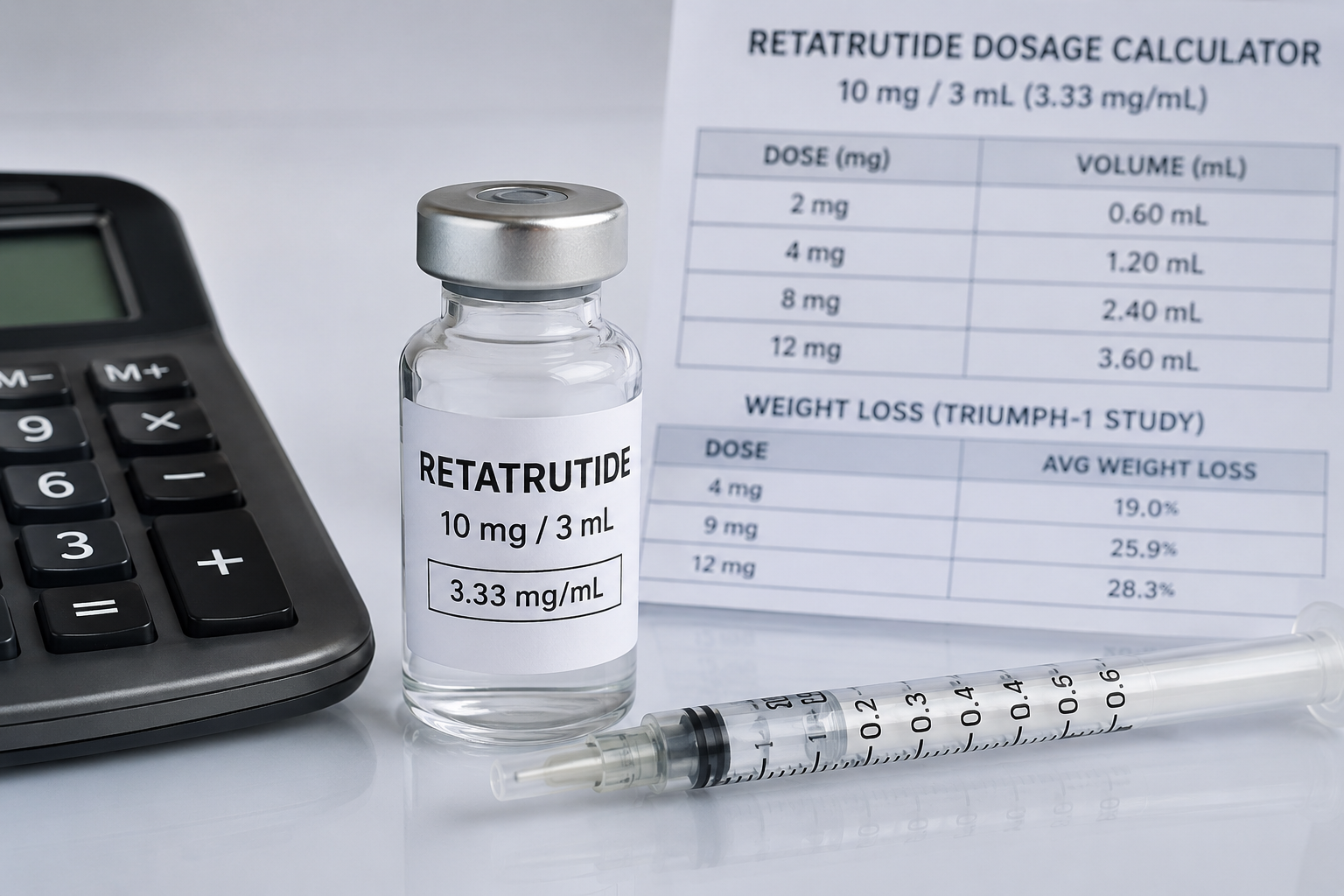
Leave a Reply