Most Popular steroids USA
-
 Methenolone Enanthate 100mg 10 ml Geno Pharma
Original price was: $130.00.$115.00Current price is: $115.00.
Methenolone Enanthate 100mg 10 ml Geno Pharma
Original price was: $130.00.$115.00Current price is: $115.00. -
Test Enanthate 200mg 20 ml Sydgroup
Original price was: $110.00.$53.00Current price is: $53.00.
-
Testosterone Cypionate 300mg 20ml Sydgroup
Original price was: $99.00.$53.00Current price is: $53.00.
-
Somatrox XT Labs 150 IU x 10 vials (15 ui each)
Original price was: $450.00.$350.00Current price is: $350.00.
-
Boldenone Cypionate 200 mg / 10 mL Geno Pharma
Original price was: $90.00.$85.00Current price is: $85.00.
-
Steroid Deca Geno Pharma 300mg 10ml
Original price was: $110.00.$99.00Current price is: $99.00.
-
Eq 300 steroid Rotterdam 10ml
Original price was: $79.00.$69.00Current price is: $69.00.
-
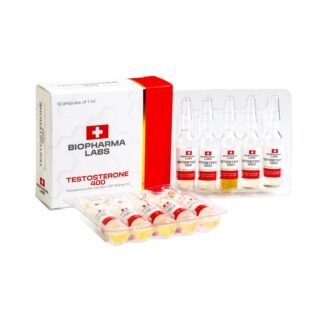
Testosterone 400 Biopharma 10 Ampoules
Original price was: $99.00.$75.00Current price is: $75.00.
-
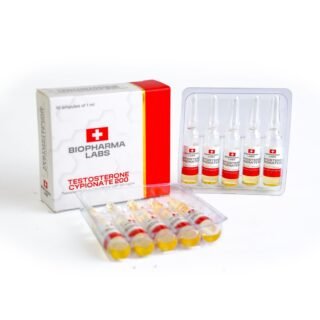
Testosterone Cypionate 200 Biopharma 10 amp
Original price was: $99.00.$72.00Current price is: $72.00.
-
Buy Testosterone E 300mg 10 ml Geno Pharma Domestic USA/CA
$99.00
-
Testosterone Cypionate Buy 300mg 10ml Geno Pharma
$99.00
-
Buy Anavar 10mg – Purchase Geno Pharma
$99.00
-
Anavar for Sale in USA – 10mg 80 Tabs GPH-Premium
Original price was: $110.00.$80.00Current price is: $80.00.
-
NPP Steroid 100mg 10 ml Premium Domestic USA
Original price was: $99.00.$80.00Current price is: $80.00.
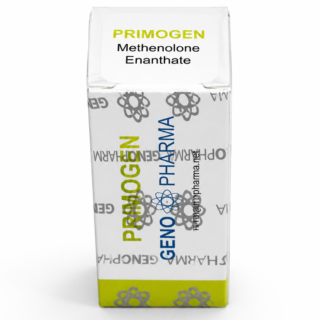
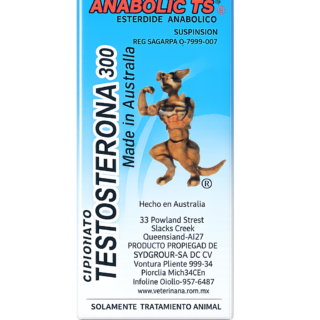






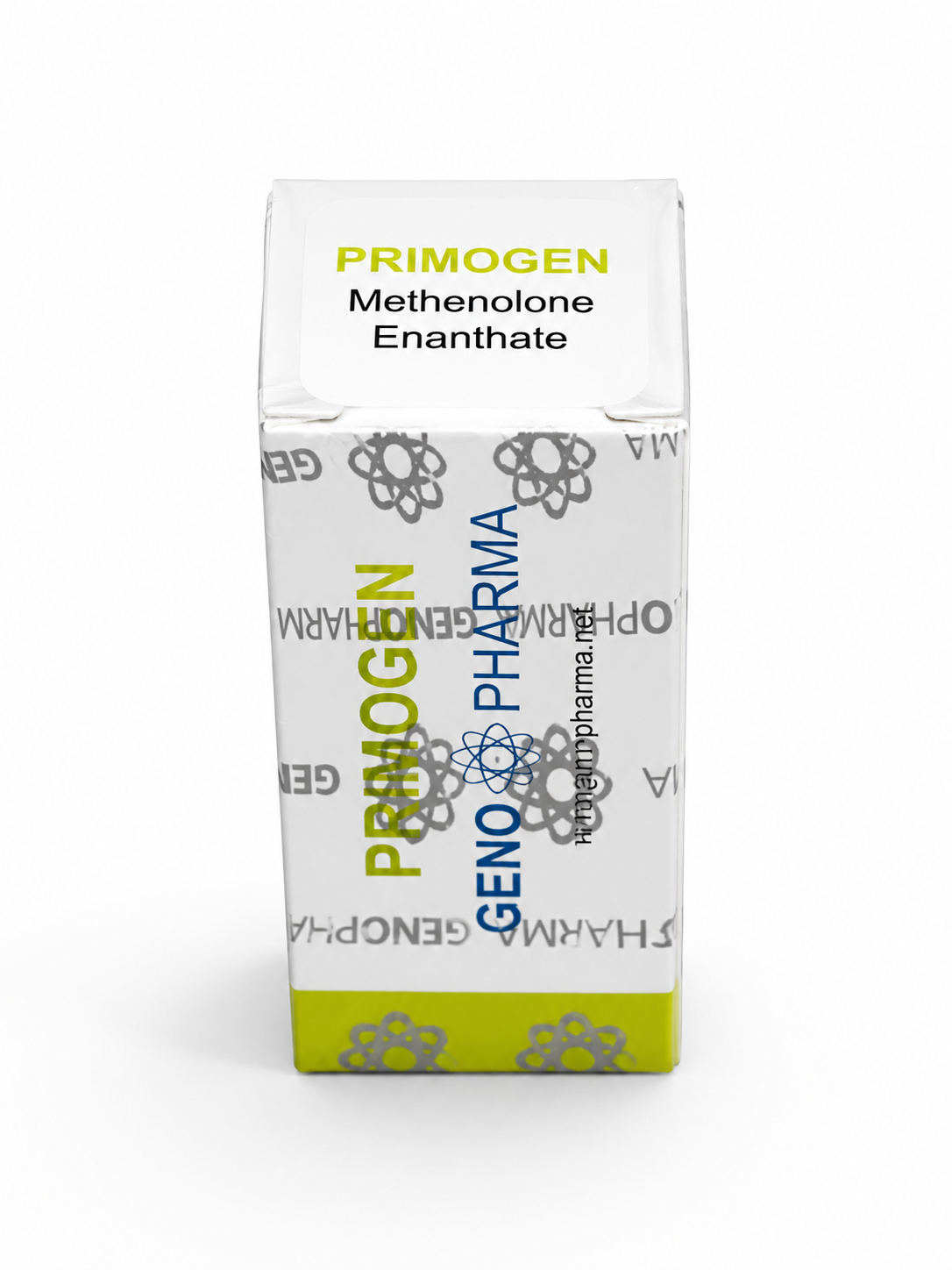
Methenolone Enanthate 100mg 10 ml Geno Pharma
Original price was: $130.00.$115.00Current price is: $115.00.
Methenolone Enanthate 100mg 10 ml Geno Pharma is an injectable oil-based presentation containing methenolone enanthate, a long-acting anabolic-androgenic steroid known for its non-aromatizing profile and comparatively low estrogen-related water retention. The 100 mg/mL concentration in a 10 mL vial provides a total labeled content of 1,000 mg. Methenolone enanthate is primarily associated with lean-mass support and muscle preservation, but product authenticity, concentration accuracy, sterility, and legal status should always be considered when evaluating injectable preparations.
Methenolone Enanthate: Uses, Benefits, Effects, Safety, and Availability
Methenolone enanthate is an injectable anabolic-androgenic steroid (AAS) best known historically through the pharmaceutical product Primobolan Depot. It is the enanthate ester of methenolone, a synthetic androgen derived from the androstane steroid structure. Unlike many anabolic steroids discussed primarily in the context of performance enhancement, methenolone enanthate has a documented history as a pharmaceutical anabolic agent.
The compound is also notable because its anabolic and androgenic characteristics differ from those of testosterone. Official pharmaceutical information describes methenolone enanthate as having an anabolic effect that exceeds its androgenic effect across a broad dose range. Historically, it has been prescribed in certain countries for medical conditions characterized by catabolism, severe weight loss, or an increased requirement for protein synthesis.
At the same time, methenolone has become widely known outside medicine as “Primobolan” or simply “Primo.” This has generated substantial interest in its effects on lean mass, body composition, estrogenic activity, side effects, injectable formulations, and availability.
This guide examines what methenolone enanthate actually is, how the enanthate ester changes its pharmacological behavior, what scientific and pharmaceutical evidence supports its effects, and what consumers should understand when researching methenolone enanthate for sale or attempting to buy methenolone enanthate.
Medical and legal notice: This article is educational and does not provide a bodybuilding cycle or individualized dosing instructions. Non-medical anabolic-steroid use can cause significant cardiovascular, endocrine, reproductive, and other adverse effects. In the United States, anabolic steroids are Schedule III controlled substances.
What Is Methenolone Enanthate?
Methenolone enanthate is the esterified injectable form of the anabolic steroid methenolone.
The U.S. National Library of Medicine’s PubChem database identifies the compound as methenolone enanthate, CAS number 303-42-4, with a molecular formula of C27H42O3 and molecular weight of approximately 414.6 g/mol. PubChem also lists metenolone enanthate and Primobolan Depot among its recognized synonyms.
The spelling distinction is worth noting because both versions appear throughout scientific, pharmaceutical, and commercial literature:
- Methenolone enanthate is a recognized USAN name.
- Metenolone enanthate refers to the same active compound.
- Metenolone enantate appears in some international pharmaceutical terminology.
- Primobolan Depot is a well-known pharmaceutical trade name historically associated with injectable metenolone enanthate.
These terms should therefore not be interpreted as different anabolic steroids solely because the spelling changes.
Methenolone enanthate is classified pharmacologically as an anabolic steroid derived from androstane. Official Spanish pharmaceutical documentation for Primobolan Depot describes metenolone enanthate as an anabolic steroid intended for intramuscular administration. The authorized 1 mL ampoule contains 100 mg of metenolone enanthate.
Methenolone Enanthate at a Glance
| Characteristic | Methenolone Enanthate |
|---|---|
| Drug class | Anabolic-androgenic steroid |
| Active steroid | Methenolone |
| Ester | Enanthate |
| Molecular formula | C27H42O3 |
| Molecular weight | 414.6 g/mol |
| CAS number | 303-42-4 |
| Administration | Intramuscular injection in pharmaceutical formulations |
| Historical trade name | Primobolan Depot |
| ATC classification | A14AA04 |
| Aromatization | Not considered an aromatizable androgen |
| U.S. legal category | Anabolic steroids are Schedule III controlled substances |
Chemical identity data are documented by PubChem, while the pharmaceutical formulation and ATC classification are documented in the official Primobolan Depot product information.
Methenolone vs. Metenolone: Are They the Same Compound?
Yes. In this context, methenolone and metenolone refer to the same steroid.
This can cause unnecessary confusion when comparing pharmaceutical labels, research databases, bodybuilding literature, or products sold internationally.
PubChem lists both methenolone enanthate and metenolone enanthate as synonyms for CID 248271. It additionally recognizes Primobolan Depot as a synonym associated with the compound.
Therefore:
Methenolone Enanthate = Metenolone Enanthate
The difference is primarily nomenclature rather than pharmacology.
This distinction becomes particularly important when researching products online because a label using “metenolone enanthate” is not necessarily misspelled simply because another manufacturer uses “methenolone enanthate.”
Methenolone Enanthate and Primobolan Depot
Primobolan Depot is one of the pharmaceutical names most strongly associated with methenolone enanthate.
The official product information maintained by the Spanish Agency of Medicines and Medical Devices (AEMPS) identifies:
Primobolan Depot 100 mg solution for injection
with:
metenolone enanthate as the active ingredient.
Each 1 mL ampoule contains 100 mg of the active compound. The formulation also contains benzyl benzoate and castor oil.
This distinction matters because the term Primobolan is sometimes used loosely in fitness discussions as though it were the chemical name of the steroid.
It is not.
Methenolone is the active steroid, methenolone enanthate is its esterified injectable form, and Primobolan Depot is a pharmaceutical trade name historically associated with that formulation.
Chemical and Pharmacological Characteristics
Methenolone belongs to the family of anabolic-androgenic steroids.
Like other AAS, its biological activity is fundamentally associated with androgen-receptor signaling. PubChem specifically associates methenolone enanthate with the androgen receptor target NR3C4.
The steroid portion of the molecule is responsible for the biological activity. The enanthate group attached to methenolone modifies how the drug behaves after injection.
This distinction between the active steroid and the ester is important.
The enanthate ester does not transform methenolone into an entirely different anabolic agent. Instead, esterification makes the molecule more lipophilic and suitable for a depot formulation in which the steroid can be released progressively following intramuscular administration.
In practical pharmacological terms:
Methenolone = active steroid.
Enanthate = ester influencing release characteristics.
Methenolone enanthate = esterified injectable compound.
How Does Methenolone Enanthate Work?
The effects of methenolone enanthate originate primarily from the activity of methenolone after the esterified compound has been released from the injection depot and metabolized.
Like other anabolic-androgenic steroids, methenolone interacts with androgen receptors.
Androgen receptors are intracellular receptors found throughout multiple tissues. Activation of these receptors can alter gene transcription and influence processes involved in protein metabolism, muscle tissue, reproductive function, skin, hair follicles, bone, and other androgen-sensitive systems.
This explains an important concept that is sometimes misunderstood:
Calling an anabolic steroid “mild” does not mean it lacks systemic androgenic or endocrine activity.
Methenolone remains an anabolic-androgenic steroid.
Androgen-Receptor Activity
The androgen receptor acts as a transcription-regulating receptor.
After an androgen binds to it, the receptor-androgen complex can interact with DNA and influence the expression of androgen-responsive genes.
Within skeletal muscle, androgen signaling can contribute to an environment favorable to maintaining or increasing muscle protein.
This general mechanism helps explain why anabolic steroids can increase lean mass under appropriate nutritional and training conditions.
Modern reviews of anabolic-androgenic steroids continue to identify androgen-receptor activation as the central mechanism underlying their anabolic and androgenic properties.
However, receptor activity does not occur exclusively in muscle.
Androgen receptors exist in many tissues, which is one reason anabolic steroids can simultaneously affect:
- skeletal muscle,
- reproductive function,
- sebaceous glands,
- hair follicles,
- cardiovascular physiology,
- blood-cell production,
- and endocrine regulation.
The desired anabolic effect therefore cannot be completely separated from systemic biological effects.
Protein Synthesis and Nitrogen Balance
One of the clearest pieces of pharmaceutical evidence concerning methenolone enanthate involves protein metabolism.
The official technical information for Primobolan Depot states that methenolone enanthate can increase endogenous protein production. Its authorized medical applications historically included conditions in which increasing protein synthesis or limiting the consequences of catabolic processes was considered therapeutically useful.
This helps explain why the compound became associated with preservation of lean tissue.
Muscle tissue constantly undergoes both protein synthesis and protein breakdown. Net tissue gain or loss depends partly on the balance between those processes.
A sufficiently anabolic environment can shift that balance toward greater protein retention.
Nitrogen balance provides another way of conceptualizing this effect because amino acids contain nitrogen. Greater retention of nitrogen can indicate that the body is retaining more protein than it is breaking down.
That does not mean methenolone automatically creates large amounts of muscle independent of nutrition.
Adequate energy intake, dietary protein, resistance training, recovery, genetics, and baseline hormonal status remain important determinants of changes in muscle mass.
The Role of the Enanthate Ester
The word enanthate describes an ester attached to the steroid molecule.
This ester increases lipid solubility and allows an oil-based intramuscular formulation to function as a depot.
After injection, the compound does not enter systemic circulation all at once. It is gradually released from the injection site, after which the ester is cleaved and active methenolone becomes available.
The result is a more prolonged exposure profile than would occur with an unesterified steroid.
This is the pharmacological reason for the word Depot in Primobolan Depot.
The official pharmaceutical formulation uses an oil vehicle, with castor oil among its components.
How Long Does Methenolone Enanthate Remain Active?
A common mistake in online steroid literature is assigning a single exact number to concepts such as “active life” or treating ester half-life estimates as though every patient eliminates a drug identically.
Depot injections involve several processes:
- Release from the intramuscular oil depot.
- Distribution of the esterified compound.
- Hydrolysis of the ester.
- Activity of the resulting steroid.
- Metabolism and elimination.
Consequently, the pharmacological effect declines progressively rather than switching off at a precise hour.
The official pharmaceutical regimen for Primobolan Depot historically used administration intervals measured in weeks rather than daily injections, illustrating the prolonged-release nature of the formulation.
That pharmaceutical information should not be interpreted as a recommendation for bodybuilding use. The authorized product information specifically states that anabolic steroids are not indicated to increase muscular development or physical capacity in healthy individuals.
Methenolone Enanthate Benefits
The phrase methenolone enanthate benefits requires an important distinction between pharmacologically plausible effects, historical therapeutic applications, and claims made in bodybuilding communities.
Methenolone is genuinely anabolic. Its pharmaceutical documentation describes effects on protein synthesis and historically recognized applications in catabolic conditions. But controlled human research examining modern bodybuilding use of methenolone specifically is limited.
For that reason, claims about dramatic changes in muscle hardness, fat loss, or particular physique outcomes should not be presented as though they had all been established in randomized clinical trials.
The strongest conclusions come from combining known androgen pharmacology with the available pharmaceutical and scientific evidence while clearly identifying where evidence becomes limited.
Effects on Lean Body Mass and Muscle Preservation
Anabolic-androgenic steroids as a drug class can promote increases in lean tissue because androgen-receptor activation influences skeletal-muscle protein metabolism.
Methenolone’s historical pharmaceutical use provides additional support for its anabolic properties. Official documentation describes increased endogenous protein production and its use in conditions requiring increased protein synthesis.
These properties provide a plausible basis for the reputation of methenolone as a compound capable of supporting lean tissue.
Muscle preservation is particularly relevant during energy restriction.
When calorie intake falls substantially, the body must obtain energy from stored substrates. Under some conditions, this includes increased breakdown of body protein.
An anabolic hormonal environment may reduce the tendency toward loss of lean tissue.
This does not mean methenolone selectively burns fat.
The distinction is important:
Preserving muscle while body fat decreases is not the same biological process as directly causing fat loss.
Fat loss remains primarily dependent on sustained energy balance, while resistance training, protein intake, hormonal status, sleep, and other variables influence how much lean tissue is retained.
Muscle Hardness and Body Composition
Methenolone is frequently associated with a “hard,” “dry,” or more defined muscular appearance.
These terms are visual descriptions rather than formal clinical endpoints.
Several factors can influence why a physique appears harder:
- lower subcutaneous body fat,
- greater muscle mass,
- muscle glycogen,
- extracellular and intracellular fluid distribution,
- sodium balance,
- skin thickness,
- lighting and posing,
- and the absence of substantial estrogen-related water retention.
Therefore, describing methenolone as a drug that simply “makes muscles hard” oversimplifies the physiology.
Its reputation is more logically understood in the context of an anabolic steroid that does not depend on conversion to estrogen for its effects.
When muscle mass is preserved or increased while body fat remains relatively low, muscular separation may become more visible.
Why Effects Depend on Body-Fat Level and Diet
Body composition dramatically changes how any increase in lean mass appears visually.
Consider two individuals who gain the same amount of lean tissue.
An individual with relatively high subcutaneous fat may become larger but show relatively little additional muscular separation.
An individual with low body fat may display much more visible changes in:
- shoulder separation,
- arm definition,
- quadriceps detail,
- abdominal definition,
- and the visual distinction between individual muscle groups.
This is one reason reports about “hardness” should not automatically be interpreted as evidence of a unique pharmacological mechanism.
Diet also matters.
If energy intake substantially exceeds expenditure, body fat can increase regardless of the anabolic agent involved.
Conversely, a sustained calorie deficit can reduce body fat, but an excessive deficit may compromise performance and lean-mass retention.
Methenolone does not override fundamental energy metabolism.
Does Methenolone Enanthate Burn Fat?
Methenolone enanthate should not be classified as a conventional fat-loss drug.
There is an important difference between:
directly increasing fat loss
and
improving the ratio of lean tissue to fat under particular conditions.
An anabolic steroid that helps preserve lean tissue during an energy deficit could contribute indirectly to a more muscular appearance as fat is lost.
That does not establish that methenolone itself produces clinically meaningful fat loss independently of calorie balance.
This distinction prevents one of the most common exaggerations surrounding anabolic steroids marketed for “cutting.”
What Scientific Evidence Actually Supports
The evidence surrounding methenolone is uneven.
There is legitimate pharmaceutical documentation demonstrating that methenolone enanthate is an anabolic steroid and describing its effects on protein metabolism. There is also extensive scientific evidence showing that anabolic-androgenic steroids as a class can influence muscle mass.
What is much less robust is controlled clinical research evaluating the specific physique outcomes sought by contemporary recreational users.
This creates an important hierarchy of evidence:
Strongly supported:
Methenolone enanthate is an anabolic-androgenic steroid.
Supported by pharmaceutical documentation:
It influences protein metabolism and has historically been used medically in certain catabolic conditions.
Biologically plausible:
Its anabolic properties may support lean-tissue preservation or accumulation.
Much less rigorously established:
Specific claims regarding exactly how much muscle, hardness, vascularity, or fat loss a healthy athlete will experience.
The official Primobolan Depot documentation itself makes the medical/non-medical distinction explicit: anabolic steroids are not indicated for increasing muscular development or physical performance in healthy people.
Does Methenolone Enanthate Aromatize?
One of the most distinctive characteristics of methenolone is that it is generally considered a non-aromatizing anabolic steroid.
Aromatization is the enzymatic conversion of certain androgens into estrogens through the aromatase enzyme.
Testosterone, for example, can be converted into estradiol.
Methenolone does not behave like testosterone in this respect.
Consequently, methenolone enanthate should not be described as having “minimal estrogenic activity” if that phrase is intended to imply that a small portion routinely converts into estrogen.
A more accurate statement is:
Methenolone does not aromatize into estrogen.
That distinction improves both scientific precision and internal consistency when discussing its effects.
Estrogen Conversion and Aromatase
Aromatase acts on steroid structures that can serve as appropriate substrates for estrogen synthesis.
Methenolone’s modified steroid structure does not make it a conventional aromatase substrate.
Therefore, administration of methenolone itself does not produce estradiol through the same aromatization pathway seen with testosterone.
This has several consequences for how the compound is discussed.
Estrogenic effects caused directly by conversion of methenolone into estradiol should not be expected.
However, this does not mean estrogen physiology becomes irrelevant during anabolic-steroid use.
Water Retention and Estrogenic Effects
Estradiol can influence sodium balance and fluid distribution. Aromatizable anabolic steroids can therefore produce changes in extracellular fluid in susceptible individuals, particularly when estrogen exposure rises substantially.
Because methenolone does not aromatize, it is not expected to generate estrogen-mediated water retention through conversion of methenolone into estradiol.
Why Non-Aromatizing Does Not Mean Side-Effect Free
The fact that methenolone does not aromatize is sometimes interpreted as meaning that methenolone enanthate has very few hormonal side effects. That conclusion is incorrect.
Aromatization represents only one pathway through which anabolic-androgenic steroids can affect the endocrine system. Methenolone remains an androgen-receptor agonist, and exposure to an exogenous anabolic steroid can alter normal hormonal signaling even when the compound itself does not convert into estradiol.
One of the most important distinctions is between estrogenic activity and androgenic activity. Methenolone does not require conversion into estrogen to exert biological effects. Its anabolic and androgenic actions occur primarily through interaction with androgen receptors.
Exogenous androgen exposure can also reduce signaling through the hypothalamic-pituitary-gonadal axis. This means endogenous testosterone production may decline even though methenolone itself does not aromatize.
The absence of estrogen conversion therefore primarily means that methenolone does not directly produce estrogen through aromatase. It does not mean that cardiovascular, reproductive, dermatological, endocrine, or androgen-related adverse effects are impossible.
This distinction is particularly important when comparing methenolone enanthate with strongly aromatizing anabolic steroids. A different side-effect profile should not be confused with an absence of pharmacological risk.
Methenolone Enanthate vs. Methenolone Acetate
Methenolone has historically appeared in more than one pharmaceutical form, with methenolone enanthate and methenolone acetate being the two most recognizable versions.
Both ultimately deliver methenolone, but the attached ester influences how the drug is formulated and how it reaches systemic circulation.
Methenolone enanthate is most strongly associated with an injectable depot preparation, while methenolone acetate became historically associated with oral methenolone products.
Understanding this distinction is important because the terms methenolone, methenolone enanthate, methenolone acetate, and Primobolan are sometimes used interchangeably online even though they do not describe exactly the same pharmaceutical preparation.
Injectable Methenolone Enanthate
Methenolone enanthate is an esterified form designed primarily for intramuscular administration.
The addition of the enanthate ester increases the compound’s lipophilic properties, allowing it to be incorporated into an oil-based injectable solution. Once administered intramuscularly, the formulation creates a depot from which the esterified steroid is gradually released.
The ester is subsequently cleaved, leaving methenolone available to exert its biological effects.
This delayed-release characteristic explains why injectable methenolone enanthate has historically been associated with the term Primobolan Depot.
The word “depot” refers to the pharmaceutical delivery system rather than a different anabolic steroid.
Oral Methenolone Acetate
Methenolone acetate uses a shorter acetate ester and has historically been available in oral preparations.
Unlike many well-known oral anabolic steroids, methenolone acetate does not depend on the classic 17-alpha-alkylation modification used by compounds such as methandrostenolone or oxandrolone.
This gives oral methenolone a pharmacological profile that differs from many other orally administered anabolic-androgenic steroids.
The oral and injectable preparations should therefore not be treated as identical products simply because both ultimately involve methenolone.
Route of administration, esterification, absorption, systemic exposure, and pharmaceutical formulation all differ.
Ester and Pharmacokinetic Differences
An ester does not create an entirely new anabolic hormone. Instead, esterification modifies properties such as solubility and the rate at which the active steroid becomes available.
With methenolone enanthate, the longer ester contributes to slow release from an intramuscular oil depot.
Methenolone acetate has different absorption characteristics and does not provide the same depot-release profile when used orally.
These pharmacokinetic differences affect how concentrations change over time.
This is one reason that simply comparing the number of milligrams listed on two different methenolone preparations does not provide a complete comparison of their pharmacological behavior.
Is Methenolone Enanthate the Same as Primobolan?
The names are closely associated, but they should be used carefully.
Primobolan is a historical brand name associated with methenolone preparations, while methenolone enanthate identifies the active steroid and ester used in the injectable depot version.
The injectable pharmaceutical product became widely known as Primobolan Depot.
For this reason, people frequently use “Primobolan” as shorthand for methenolone enanthate, particularly in bodybuilding discussions.
However, the name Primobolan has also historically been associated with methenolone acetate products.
When identifying a specific product, the active ingredient and ester therefore provide more precise information than the brand name alone.
Methenolone Enanthate Side Effects
Methenolone enanthate is frequently characterized online as one of the “milder” anabolic-androgenic steroids.
That description requires context.
A compound may produce less activity through certain pathways while continuing to influence other physiological systems. Methenolone’s inability to aromatize, for example, reduces the likelihood of effects directly caused by conversion of the steroid into estrogen, but it does not eliminate androgenic or endocrine activity.
The side-effect profile of methenolone enanthate must therefore be evaluated as part of the broader pharmacology of anabolic-androgenic steroids.
Suppression of Natural Testosterone Production
One of the most important endocrine considerations is suppression of endogenous testosterone production.
Normal testosterone production is regulated through the hypothalamic-pituitary-gonadal axis.
The hypothalamus releases gonadotropin-releasing hormone, which stimulates the pituitary gland to produce luteinizing hormone and follicle-stimulating hormone. These signals contribute to testosterone production and spermatogenesis in the testes.
Exposure to an external androgen can produce negative feedback within this regulatory system.
As androgenic signaling increases, the body may reduce its own hormonal stimulation.
Consequently, endogenous testosterone production can decline.
The extent of suppression varies according to factors such as duration of exposure, total androgenic burden, individual physiology, and use of additional hormonal compounds.
Importantly, non-aromatizing does not mean non-suppressive. Methenolone does not need to convert into estrogen to suppress normal androgen production.
Effects on Male Fertility
The same hormonal suppression can influence male fertility.
Reduced gonadotropin signaling can decrease intratesticular testosterone concentrations and interfere with normal sperm production.
Potential consequences can include reductions in sperm concentration, sperm quality, and overall reproductive function during exposure to anabolic-androgenic steroids.
The degree and duration of these effects differ between individuals.
Recovery after discontinuation is also variable and can depend on previous hormonal function, cumulative exposure, age, duration of use, and whether additional suppressive drugs were used.
For this reason, fertility considerations should be separated from visible androgenic effects. A person may not notice dramatic external side effects while significant hormonal suppression is occurring internally.
Androgenic Side Effects
Methenolone has androgenic activity even though its reputation is generally less androgenic than that of some other anabolic steroids.
Potential androgen-related effects can include increased sebaceous activity and acne.
Individuals genetically predisposed to androgen-dependent scalp hair loss may also experience accelerated progression of male-pattern hair loss when androgenic signaling increases.
Body and facial hair growth can become more pronounced in susceptible individuals as well.
These effects demonstrate why anabolic and androgenic activity cannot be completely separated in practice.
Methenolone may have a different balance of activity from testosterone or more strongly androgenic steroids, but it still interacts with androgen receptors.
Methenolone Enanthate and Hair Loss
Hair loss deserves separate consideration because individual susceptibility varies substantially.
Androgenetic alopecia depends heavily on genetics and the sensitivity of hair follicles to androgen signaling.
Someone without a strong genetic predisposition may experience little noticeable scalp-hair change, while another person with susceptible follicles may observe accelerated thinning.
This makes statements such as “methenolone does not cause hair loss” unreliable.
A more accurate interpretation is that the effect depends on both the androgenic characteristics of the compound and the individual’s biological susceptibility.
Acne and Sebaceous Activity
Androgens can stimulate sebaceous glands.
Increased sebum production can contribute to oily skin and acne, particularly in individuals already predisposed to androgen-sensitive acne.
Severity can range considerably.
Changes may be relatively minor in one person and substantially more noticeable in another despite exposure to the same compound.
This variability is another reason that descriptions such as “mild” should be interpreted as relative comparisons rather than guarantees about individual response.
Effects on Cholesterol
Lipid changes are among the more important potential health considerations associated with anabolic-androgenic steroids.
Exposure to anabolic steroids can adversely affect cholesterol profiles, particularly by reducing high-density lipoprotein cholesterol.
Depending on the compound and individual response, other lipid parameters may also change.
These effects are important because alterations in the relationship between HDL cholesterol, LDL cholesterol, and other circulating lipoproteins can influence long-term cardiovascular risk.
Methenolone’s inability to aromatize does not protect against these mechanisms.
A person could therefore experience relatively little estrogen-related fluid retention while simultaneously developing unfavorable changes in cardiovascular risk markers.
Cardiovascular Considerations
Cardiovascular risk cannot be evaluated from cholesterol alone.
Anabolic-androgenic steroid exposure has been associated more broadly with changes involving blood pressure, vascular function, cardiac structure, lipid metabolism, and hematological parameters.
Risk depends on many variables, including the compound involved, duration of exposure, total androgen burden, pre-existing cardiovascular health, lifestyle, and concurrent drug use.
The issue becomes particularly difficult to evaluate when multiple anabolic steroids are combined.
In those situations, an observed cardiovascular change cannot necessarily be attributed to methenolone alone.
Nevertheless, characterizing methenolone enanthate as non-aromatizing should never be interpreted as meaning that cardiovascular risk is absent.
Liver Considerations
Methenolone enanthate differs from many classic oral anabolic steroids in its structural and pharmaceutical characteristics.
Many orally active anabolic steroids use 17-alpha-alkylation to resist extensive hepatic metabolism. That structural modification is strongly associated with the hepatotoxic potential of several oral anabolic-androgenic steroids.
Injectable methenolone enanthate does not rely on the same modification.
This distinction helps explain why its hepatic profile is generally discussed differently from compounds such as oxymetholone, methandrostenolone, or stanozolol.
However, saying that methenolone enanthate has a different hepatic profile is not equivalent to saying that liver health is irrelevant.
Alcohol consumption, metabolic disease, prescription medications, supplements, and simultaneous use of other anabolic steroids can all contribute to overall hepatic burden.
Blood Pressure and Fluid Balance
Methenolone does not directly generate estrogen through aromatization, which differentiates it from anabolic steroids capable of substantially increasing estradiol concentrations.
Nevertheless, blood pressure and fluid regulation depend on far more than aromatase activity.
Sodium intake, renal function, vascular tone, hematological changes, body weight, other hormones, stimulants, and additional drugs can all influence blood pressure.
Therefore, even though estrogen-mediated fluid retention is not a characteristic direct effect of methenolone, users should not assume that blood pressure or cardiovascular fluid regulation cannot change.
Possible Effects in Women
Women may be particularly sensitive to the androgenic effects of anabolic-androgenic steroids because normal female androgen exposure is substantially lower than normal male exposure.
Potential signs of virilization can include:
- Increased facial or body hair
- Acne and increased skin oiliness
- Menstrual irregularities
- Changes in libido
- Deepening of the voice
- Alterations in scalp hair
- Clitoral enlargement
The likelihood and severity of these changes depend on exposure and individual susceptibility.
Importantly, some androgen-induced changes may not completely reverse after discontinuation.
Voice deepening is one of the most significant examples because structural changes involving the vocal apparatus can persist.
This makes the common description of methenolone as a “mild steroid for women” potentially misleading. Relative androgenicity does not establish safety, and there is no guarantee that virilizing effects will be reversible.
Psychological and Behavioral Effects
Anabolic-androgenic steroids can also influence mood and behavior.
Reported effects across the drug class include changes in irritability, mood stability, impulsivity, anxiety, aggression, and emotional regulation.
Responses vary widely.
Not every individual experiences noticeable psychological changes, and attributing a specific behavioral effect to one compound can be difficult when several hormones or performance-enhancing substances are being used simultaneously.
Nevertheless, psychological effects form part of the broader risk profile of exogenous androgen exposure and should not be excluded simply because methenolone is commonly described as a comparatively mild anabolic steroid.
How Methenolone Enanthate Differs From Other Anabolic Steroids
Methenolone enanthate occupies a distinctive position among anabolic-androgenic steroids because several of its characteristics differ from those of testosterone-derived preparations commonly discussed in performance-enhancement settings.
The most important distinctions involve aromatization, esterification, androgenic characteristics, water retention, and pharmaceutical history.
These differences help explain why methenolone is frequently discussed separately from compounds associated with rapid increases in body weight or pronounced estrogenic effects.
However, comparisons should focus on pharmacological characteristics rather than simplistic labels such as “safe” or “unsafe.”
Methenolone Enanthate vs. Testosterone Enanthate
Methenolone enanthate and testosterone enanthate both use an enanthate ester and can be formulated as long-acting intramuscular oil preparations.
The similarity in ester does not mean the active hormones behave the same way.
Testosterone can be converted into estradiol through aromatase.
Methenolone does not undergo that same estrogen-producing conversion.
Testosterone can therefore produce physiological effects associated with both androgen-receptor activation and changes in estrogen concentrations, whereas methenolone lacks the same aromatization pathway.
This difference contributes to their different effects on fluid balance and estrogen-related physiology.
Both compounds, however, can provide exogenous androgenic signaling and can interfere with endogenous hormonal regulation.
Methenolone Enanthate vs. Nandrolone
Nandrolone and methenolone are also pharmacologically distinct despite both being anabolic-androgenic steroids.
Nandrolone has its own metabolic and receptor characteristics and is associated with progestogenic activity that does not define methenolone in the same way.
Methenolone is more frequently discussed in relation to its lack of aromatization and relatively restrained changes in extracellular fluid.
Again, these differences do not establish that one compound is universally safer than another.
They simply demonstrate that anabolic steroids can produce different patterns of biological activity despite belonging to the same broad drug class.
Methenolone Enanthate vs. Drostanolone Enanthate
Methenolone and drostanolone are frequently compared because both are non-aromatizing anabolic-androgenic steroids and both have developed reputations for use when a less water-retentive appearance is desired.
They are not the same molecule.
Their androgenic properties, structural characteristics, historical medical applications, and practical effects can differ.
The visual similarities commonly attributed to them—particularly descriptions involving a “dry” or “hard” appearance—are also strongly influenced by body-fat level, glycogen, diet, hydration, and overall muscle development.
Neither compound directly creates muscular definition independent of body composition.
Why Scale Weight May Change Differently
Changes in body weight during anabolic-steroid exposure do not represent muscle tissue alone.
Scale weight can reflect:
- Muscle tissue
- Glycogen
- Intracellular water
- Extracellular water
- Body fat
- Gastrointestinal contents
- Changes in food and fluid intake
A compound that produces substantial estrogen-mediated fluid retention can therefore cause faster increases in body weight without all of that increase representing new muscle.
Because methenolone does not aromatize, it is not expected to produce the same estrogen-driven pattern of fluid accumulation.
This helps explain why changes associated with methenolone enanthate may appear less dramatic on the scale than those associated with some aromatizing anabolic steroids.
It should not be interpreted as evidence that every kilogram gained with methenolone represents newly created muscle tissue.
Methenolone Enanthate Injections
Methenolone enanthate is most strongly associated with an injectable depot formulation. The enanthate ester increases the lipophilicity of methenolone, allowing it to be formulated in an oil-based solution that releases the compound gradually after intramuscular administration.
This pharmaceutical characteristic distinguishes methenolone enanthate from oral methenolone acetate and helps explain why injectable methenolone became historically associated with the name Primobolan Depot.
PubChem identifies methenolone enanthate and metenolone enanthate as names for the same steroid ester and also lists Primobolan Depot among its synonyms.
Pharmaceutical Methenolone Enanthate
A useful reference point for understanding a pharmaceutical methenolone enanthate formulation is the official European product information for Primobolan Depot.
The Spanish Agency of Medicines and Medical Devices lists Primobolan Depot 100 mg solution for injection, with each 1 mL ampoule containing 100 mg of metenolone enanthate. The formulation also contains benzyl benzoate and castor oil.
The official product information describes methenolone enanthate as an anabolic steroid administered intramuscularly and explains that it is released slowly from the injection site before being cleaved into methenolone and enanthic acid.
This provides an important distinction between the active compound and its pharmaceutical delivery system.
Methenolone is the biologically active steroid.
Enanthate is the ester that modifies its release characteristics.
The oil-based injectable solution provides the depot from which the esterified compound is gradually released.
What Does 100 mg/mL Methenolone Enanthate Mean?
Concentrations of injectable anabolic steroids are commonly expressed as milligrams per milliliter.
For example, a pharmaceutical preparation labeled methenolone enanthate 100 mg/mL contains 100 mg of the esterified compound in each milliliter of solution.
This should not be confused with vial size.
A label may therefore contain separate pieces of information describing:
- Active ingredient
- Concentration in mg/mL
- Total solution volume
- Pharmaceutical form
- Manufacturer
- Lot or batch number
- Expiration information
Distinguishing concentration from total volume is particularly important when comparing methenolone enanthate products from different manufacturers.
The official Primobolan Depot reference provides a useful example because its 1 mL ampoule contains 100 mg of metenolone enanthate.
Other products marketed internationally may use different vial sizes or concentrations, but those differences should not be interpreted as evidence that they are equivalent to an authorized pharmaceutical product.
Pharmaceutical Product vs. Underground Injectable
A professionally printed label does not establish pharmaceutical status.
A regulated pharmaceutical injectable is manufactured under requirements governing active-ingredient identity, concentration, sterility, contamination, excipients, stability, packaging, and batch consistency.
Products manufactured outside regulated pharmaceutical systems may not have equivalent controls.
This difference is particularly important with injectables because product quality involves several separate questions:
Does it contain methenolone enanthate?
Does it contain the labeled concentration?
Is the solution sterile?
Are the carrier oil and excipients appropriate?
Was it manufactured, transported, and stored correctly?
A product can theoretically contain the expected anabolic steroid while still failing one or more of these other quality criteria.
Methenolone Enanthate for Sale: Availability, Legality, and Product Verification
Searches for methenolone enanthate for sale have clear commercial intent.
A person entering this phrase is generally no longer asking only what methenolone is. They may be evaluating product availability, presentations, manufacturers, concentrations, authenticity, or whether methenolone enanthate can legally be obtained in their country.
This distinction matters because online availability and legal pharmaceutical availability are not necessarily the same thing.
Methenolone is specifically listed by the U.S. Drug Enforcement Administration among Schedule III controlled substances, with Primobolan and Primobolan Depot listed as associated names.
Consequently, a website displaying methenolone enanthate does not by itself establish that the product or transaction complies with U.S. controlled-substance law.
Methenolone Enanthate for Sale Online in US
The search phrase methenolone enanthate for sale online in US can produce a mixture of international products, bodybuilding-market preparations, marketplace listings, and products claiming pharmaceutical manufacture.
Those categories should not automatically be treated as equivalent.
In the United States, anabolic steroids are federally classified as Schedule III controlled substances. The DEA specifically includes methenolone in its controlled-substance listings.
Consumers should also distinguish between recognition of a chemical substance by the FDA and approval of a specific drug product.
The FDA’s substance-registration system contains an official record for methenolone enanthate, including the synonym Primobolan Depot. However, the FDA explicitly states that the existence of a UNII substance record does not imply regulatory review or approval.
FDA-approved human drugs are instead identified through regulatory resources such as Drugs@FDA and the Orange Book.
For this reason, anyone evaluating methenolone enanthate advertised online in the United States should not use packaging, the presence of an FDA substance identifier, or a seller’s claims as proof that a particular injectable is an FDA-approved medication.
Buy Methenolone Enanthate: What Should Be Verified?
People searching buy methenolone enanthate commonly encounter products differentiated by brand name, concentration, vial size, country of origin, packaging, and manufacturer.
The most important issue is that these characteristics describe the product being presented; they do not independently prove what the product contains.
At a basic product-identification level, labeling should consistently identify information such as:
- Methenolone enanthate as the active ingredient
- Concentration in mg/mL
- Total product volume
- Manufacturer
- Batch or lot identification
- Expiration information
- Storage requirements
- Packaging integrity
The spelling can also vary legitimately.
Methenolone enanthate is the United States Adopted Name, while metenolone enanthate is also recognized as a synonym. PubChem and FDA substance databases recognize both forms.
Therefore, seeing “metenolone” rather than “methenolone” does not automatically indicate that a product is counterfeit.
The more important question is whether the actual contents correspond to the labeled ingredient and concentration.
Buy Methenolone Enanthate Injections Online in US
The search buy methenolone enanthate injections online in US introduces additional considerations because injectable products require more than confirmation of active-ingredient identity.
For an injectable, quality depends simultaneously on chemical composition and microbiological manufacturing standards.
A legitimate-looking vial cannot visually demonstrate:
- Sterility
- Actual methenolone concentration
- Absence of microbial contamination
- Absence of particulate contamination
- Identity and purity of the carrier oil
- Appropriate manufacturing conditions
- Proper storage throughout distribution
This is why injectable-product verification requires more caution than simply comparing photographs of boxes and vials.
In addition, U.S. consumers have to consider the controlled-substance status of methenolone rather than assuming that an online product listing constitutes lawful pharmaceutical availability.
Buying Methenolone Enanthate Online: Product Verification and Counterfeit Risks
The popularity and recognizable branding associated with methenolone have created a market in which authentic pharmaceutical products, non-pharmaceutical preparations, and counterfeit products can appear visually similar.
This becomes especially important when evaluating methenolone enanthate online because the buyer usually sees packaging before having any reliable information about the chemical contents.
Can Packaging Confirm Authentic Methenolone Enanthate?
No.
Packaging can contribute information to an authenticity assessment, but packaging alone cannot establish chemical identity.
Modern printing and manufacturing techniques allow counterfeit products to imitate:
- Boxes
- Vial labels
- Ampoule printing
- Manufacturer logos
- Holograms
- Tamper seals
- Batch numbers
- QR codes
- Verification stickers
A visually convincing product can therefore still contain an incorrect active ingredient.
Likewise, an authentic-looking oil color cannot identify methenolone enanthate because the physical appearance of an injectable solution depends on the carrier oil, excipients, concentration, lighting, and other formulation variables.
Why Methenolone Enanthate Can Be a Counterfeit Target
Counterfeiting becomes economically attractive whenever a product has strong consumer demand and a price premium over less expensive alternatives.
Methenolone has historically developed both.
A counterfeit product marketed as methenolone enanthate could potentially contain:
- Less methenolone than stated
- More methenolone than stated
- Another anabolic steroid
- Multiple anabolic steroids
- No expected active ingredient
- Contaminated injectable material
Historical analytical evidence demonstrates that this is not merely theoretical.
A report examining illegal doping products identified a product labeled Primobolan Depot 100 mg/mL that actually contained nandrolone decanoate rather than the declared methenolone enanthate.
This example illustrates why brand appearance cannot substitute for chemical verification.
Manufacturer and Batch Verification
When an established manufacturer provides an official authentication system, matching a product to that system can provide useful additional information.
Batch numbers, lot information, package design, expiration information, and manufacturer records should be internally consistent.
However, these methods still have limitations.
A counterfeit package can reproduce a genuine batch number.
A copied QR code may direct consumers to a convincing website.
A legitimate empty vial or package can theoretically be reused.
Authentication features should therefore be considered multiple layers of evidence rather than absolute proof of chemical composition.
Independent Chemical Analysis
When the objective is determining whether a sample actually contains methenolone enanthate, analytical chemistry provides stronger evidence than visual inspection.
Laboratory techniques can be used to identify the active compound and, depending on the analytical method, estimate its concentration.
This addresses a fundamentally different question from packaging verification.
Packaging asks:
“Does this look consistent with the manufacturer?”
Chemical analysis asks:
“What substance is actually present in this sample?”
The second question becomes especially important in markets where substitution and underdosing are possible.
Even chemical confirmation of the active ingredient, however, does not automatically establish microbiological sterility. Chemical composition and injectable sterility are separate quality-control issues.
Methenolone Enanthate Legal Status in the United States
The legal status of methenolone enanthate in the United States is an important part of any search involving for sale, buy, or online in US.
Under federal law, anabolic steroids are Schedule III controlled substances.
The DEA’s current controlled-substance reference specifically identifies methenolone as Schedule III and lists Primobolan and Primobolan Depot among its other names.
Is Methenolone Enanthate a Controlled Substance?
Yes, methenolone falls within the U.S. federal Schedule III anabolic-steroid framework.
Schedule III classification means anabolic steroids are not treated like ordinary supplements or unrestricted consumer products.
The DEA describes Schedule III drugs as controlled substances with abuse potential below Schedule I and II substances but above Schedule IV substances, and explicitly gives anabolic steroids and testosterone as examples.
State laws can impose additional requirements or penalties beyond federal law.
Is Primobolan the Same for Legal Purposes?
Primobolan is a brand name historically associated with methenolone.
The DEA controlled-substance list includes Primobolan and Primobolan Depot alongside methenolone.
Changing the commercial name therefore does not change the identity of the controlled anabolic steroid.
Similarly, spelling variations such as methenolone and metenolone do not represent a legal distinction between two different steroids.
International Availability Does Not Equal U.S. Approval
Methenolone enanthate has had legitimate medical use outside the United States.
For example, Spanish regulatory information identifies Primobolan Depot as a 100 mg injectable methenolone enanthate pharmaceutical product and describes historical medical indications involving catabolic states and increased protein synthesis requirements. The same official information specifically states that anabolic steroids are not indicated to increase muscular development or physical capacity in healthy individuals.
However, authorization of a medication in another country should not be interpreted as automatic FDA approval or unrestricted U.S. availability.
FDA approval applies to specific drug products and regulatory applications rather than simply to recognition of a chemical substance.
How to Identify Methenolone Enanthate on a Product Label
When examining a methenolone enanthate product, the active ingredient is more informative than the marketing name on the front of the package.
Depending on the country and manufacturer, the label may use terms such as:
Methenolone Enanthate
Metenolone Enanthate
Metenolone Enantate
Primobolan Depot
These names can refer to the same esterified compound. PubChem identifies methenolone enanthate as C27H42O3 with a molecular weight of approximately 414.6 g/mol and lists metenolone enanthate and Primobolan Depot among recognized synonyms.
Check the Active Ingredient Before the Brand Name
Brand names can vary considerably.
The chemically meaningful identification is the active ingredient.
A product marketed under a proprietary name should therefore state clearly that it contains methenolone enanthate or a recognized equivalent spelling.
The concentration should also be presented separately from the brand name.
For example:
Methenolone Enanthate — 100 mg/mL
communicates the active ingredient and concentration more clearly than a brand name alone.
Methenolone vs. Metenolone Spelling
Both spellings appear in recognized pharmaceutical databases.
The FDA’s substance database uses METHENOLONE ENANTHATE as its preferred substance name while also listing METENOLONE ENANTHATE among its synonyms.
PubChem likewise lists both spellings.
Therefore, the spelling difference by itself should not be treated as a counterfeit warning sign.
Frequently Asked Questions About Methenolone Enanthate
What is methenolone enanthate?
Methenolone enanthate is an esterified anabolic-androgenic steroid. The enanthate ester allows methenolone to be formulated as a slow-release intramuscular depot preparation.
It has historically been associated with the pharmaceutical brand Primobolan Depot.
Is methenolone enanthate the same as Primobolan?
Primobolan is a historical brand name associated with methenolone products.
Primobolan Depot specifically became associated with injectable methenolone enanthate, although the broader Primobolan name has also been associated historically with methenolone acetate.
Checking the active ingredient provides greater precision than relying exclusively on the brand name.
Are methenolone and metenolone the same thing?
Yes. Both spellings are recognized.
Methenolone enanthate is the USAN form, while metenolone enanthate appears in other recognized nomenclature systems and pharmaceutical references.
Is methenolone enanthate injectable?
Yes.
Methenolone enanthate is most strongly associated with an oil-based intramuscular depot formulation.
Official Primobolan Depot product information describes a 100 mg/mL injectable methenolone enanthate preparation.
Does methenolone enanthate aromatize?
No. Methenolone is considered a non-aromatizing anabolic-androgenic steroid and does not convert into estradiol through the aromatase pathway in the manner that testosterone does.
That does not mean the compound is free of endocrine, androgenic, cardiovascular, or reproductive effects.
Does methenolone enanthate cause water retention?
Methenolone is not expected to cause estrogen-mediated water retention through conversion of methenolone into estradiol.
However, total body-water balance depends on many additional variables, including diet, sodium intake, glycogen, kidney function, other hormones, and concurrent medications.
Is methenolone enanthate the same as methenolone acetate?
No.
Both ultimately involve methenolone, but they use different esters and have historically been associated with different pharmaceutical formulations.
Methenolone enanthate is most strongly associated with an injectable depot, whereas methenolone acetate became associated with oral preparations.
Is methenolone enanthate a testosterone?
No.
Methenolone and testosterone are different steroid molecules.
Both can activate androgen receptors, but their metabolism and pharmacological characteristics differ. Testosterone can aromatize into estradiol, while methenolone does not.
Is methenolone enanthate for sale in the United States?
Products may be advertised online as methenolone enanthate for sale, but online advertising should not be confused with lawful pharmaceutical availability.
Methenolone is a Schedule III controlled anabolic steroid in the United States.
Any claim that a particular product is FDA-approved should be independently verified through official FDA drug-approval resources rather than inferred from packaging or advertising.
Can you buy methenolone enanthate online?
Websites may advertise products using phrases such as buy methenolone enanthate, but the legality and regulatory status of a transaction depend on the jurisdiction and the status of the product and seller.
In the United States, methenolone is a Schedule III controlled substance.
A website accepting an order does not by itself establish that the sale is legal or that the product is pharmaceutical-grade.
What should someone searching for methenolone enanthate for sale online in US know?
The most important distinction is between seeing a product advertised and establishing that it is a legally distributed, appropriately regulated medication.
Methenolone is federally controlled in the United States, and injectable products also introduce additional authenticity, concentration, sterility, and contamination considerations.
What should be checked before attempting to buy methenolone enanthate?
Product identity, concentration, manufacturer information, batch identification, expiration information, packaging integrity, applicable regulatory status, and whether the product comes through an appropriately regulated pharmaceutical channel are all relevant.
Packaging should never be treated as definitive proof of chemical composition.
What are the risks when people buy methenolone enanthate injections online in US?
In addition to legal considerations surrounding a Schedule III controlled substance, injectable products can present risks involving counterfeit ingredients, inaccurate concentrations, contamination, nonsterile manufacturing, inappropriate excipients, and improper storage.
These risks cannot be excluded simply because a vial or package appears professional.
Can a QR code prove methenolone enanthate is authentic?
Not by itself.
A verification system can provide useful evidence when it is genuinely controlled by the manufacturer, but authentication codes, labels, websites, and packaging elements can potentially be copied.
Chemical confirmation requires analytical testing, while sterility requires separate manufacturing and microbiological quality controls.
Is 100 mg/mL a real pharmaceutical methenolone enanthate concentration?
Yes.
Official AEMPS information for Primobolan Depot identifies a pharmaceutical presentation containing 100 mg of metenolone enanthate in each 1 mL ampoule.
This does not mean that every product labeled 100 mg/mL is equivalent to that pharmaceutical preparation.
Why is methenolone enanthate often called a “mild” anabolic steroid?
The description usually refers to characteristics such as lack of aromatization and its relative anabolic-androgenic profile.
“Mild,” however, is a comparative term rather than a medical safety classification.
Methenolone enanthate remains an anabolic-androgenic steroid capable of producing endocrine and other systemic effects.
Final Considerations on Methenolone Enanthate
Methenolone enanthate is a long-acting ester of methenolone with a documented history as an injectable anabolic pharmaceutical. Its pharmacology helps explain several characteristics for which it became known: anabolic activity, lack of aromatization, comparatively limited estrogen-related fluid retention, and a depot formulation that releases the compound gradually after intramuscular administration.
At the same time, many claims surrounding methenolone in performance-enhancement communities extend beyond the evidence available from controlled clinical research.
Terms such as “dry gains,” “hard muscle,” or guaranteed lean-mass increases describe bodybuilding interpretations rather than precisely established clinical outcomes.
The distinction becomes even more important when commercial searches are involved.
Someone searching methenolone enanthate for sale, methenolone enanthate for sale online in US, buy methenolone enanthate, or buy methenolone enanthate injections online in US is entering a marketplace where product identity, legal status, manufacturing quality, concentration, and sterility cannot be assumed from advertising alone.
In the United States, methenolone is federally classified as a Schedule III controlled substance. International pharmaceutical history does not remove that legal distinction, and the existence of methenolone enanthate in FDA substance databases does not itself constitute approval of a particular drug product.
For injectable methenolone enanthate in particular, product quality involves much more than determining whether a package looks authentic. Chemical identity, actual concentration, sterility, excipient quality, manufacturing controls, and appropriate regulatory distribution all contribute to the difference between a labeled product and a verified pharmaceutical preparation.
That distinction is essential for interpreting both the scientific literature surrounding methenolone enanthate and the commercial claims encountered when researching the compound online.
Related products
Winstrol Price 100mg 10ml Geno Pharma Domestic USA-Canada
$99.00Add to cartWinstrol 100mg 10ml Geno Pharma | Domestic Shipping USA & Canada
Ordering Winstrol 100mg 10ml from Geno Pharma guarantees fast, secure delivery within both the USA and Canada. When your purchase includes only Geno Pharma Winstrol products, your order is fulfilled through our dedicated domestic warehouse, ensuring rapid shipping—typically arriving within 1 to 3 days in Canada and 3 to 5 days in the United States.
Please note that orders combining different brands are dispatched from an alternate facility and are subject to the standard international delivery timeframe of 7 to 10 business days. Additional delays may occur due to customs or regional processing times.
This logistics system has been designed to offer a smooth and efficient experience, minimizing disruptions and ensuring product availability. For buyers looking for a trustworthy and streamlined way to get Winstrol 100mg in North America, Geno Pharma’s domestic shipping service delivers speed, security, and reliability.
Clenbuterol tablet for Sale 10mcg 100 tabs Geno Pharma US/CA
$85.00Add to cartClenbuterol 10mcg Tablets (100 Count) – Available from Geno Pharma for US and Canadian Customers
Get fast and dependable access to Clenbuterol 10mcg tablets (100 units) through Geno Pharma, with domestic delivery options tailored for both the USA and Canada. When your order includes exclusively Geno Pharma Clenbuterol products, it will be shipped from our North American facility—ensuring quick arrival: typically 1 to 3 days within Canada and 3 to 5 days for U.S. destinations.Please note that combining Geno Pharma Clenbuterol with other brands in the same order will result in standard processing from a different fulfillment center, extending delivery times to 7–10 business days, with possible customs-related delays.
Our streamlined logistics ensure consistent stock availability and an efficient ordering process. For those prioritizing safety, speed, and dependable service, Geno Pharma remains a trusted source for Clenbuterol across North America.
Dianabol for Sale 2025 | Buy 25mg Tabs Online – Safe USA Source
$110.00Add to cartBuy Dianabol 25mg (100 Tablets) | Fast & Secure Shipping
Purchasing Dianabol 25mg (100 tablets) grants access to fast and reliable domestic shipping through a dedicated warehouse system, ensuring 1-3 day delivery within Canada and 3-5 days within the USA. International shipments follow a standard 7-10 business day timeframe, with possible delays due to customs and destination requirements.
To qualify for priority domestic shipping, orders must consist exclusively of this brand’s Dianabol—mixed-brand orders will be processed from a different warehouse and follow the standard shipping process, without access to expedited delivery.
This optimized shipping system ensures quick, hassle-free delivery, reducing wait times and guaranteeing product availability. For fast, secure, and reliable Dianabol 25mg delivery, order from our trusted supplier and take advantage of a streamlined shipping experience.
Stanozolol Injection 100mg 10 ml Geno Pharma
Original price was: $99.00.$85.00Current price is: $85.00.Add to cartStanozolol Injection 100mg 10ml – Geno Pharma is an injectable stanozolol formulation presented in a 10ml vial at a concentration of 100mg/ml. Manufactured by Geno Pharma, it provides a clearly labeled, high-concentration format for convenient product identification and handling.