Most Popular steroids USA
-
 Superdrol Rotterdam Pharmaceutical
Original price was: $99.00.$66.00Current price is: $66.00.
-
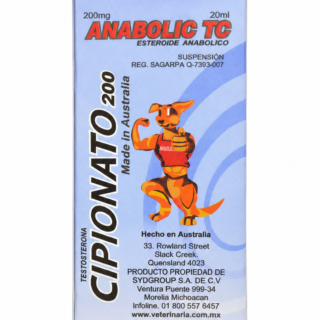
Testosterone Cypionate Sydgroup 200mg 20ml
Original price was: $110.00.$49.00Current price is: $49.00.
-
Methenolone Enanthate 100mg 10 ml Geno Pharma
Original price was: $130.00.$115.00Current price is: $115.00.
-
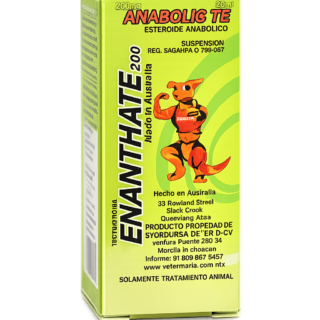
Test Enanthate 200mg 20 ml Sydgroup
Original price was: $110.00.$53.00Current price is: $53.00.
-
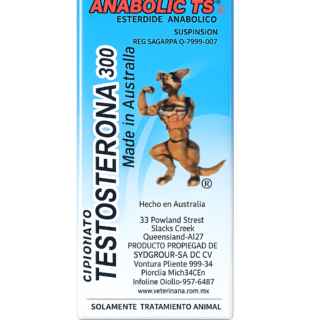
Testosterone Cypionate 300mg 20ml Sydgroup
Original price was: $99.00.$53.00Current price is: $53.00.
-
Somatrox XT Labs 150 IU x 10 vials (15 ui each)
Original price was: $450.00.$350.00Current price is: $350.00.
-
Boldenone Cypionate 200 mg / 10 mL Geno Pharma
Original price was: $90.00.$85.00Current price is: $85.00.
-
Steroid Deca Geno Pharma 300mg 10ml
Original price was: $110.00.$99.00Current price is: $99.00.
-
Eq 300 steroid Rotterdam 10ml
Original price was: $79.00.$69.00Current price is: $69.00.
-
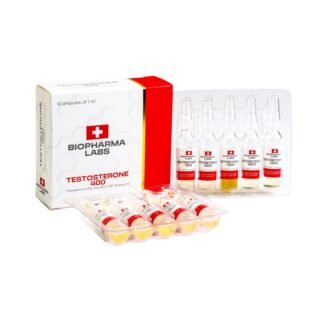
Testosterone 400 Biopharma 10 Ampoules
Original price was: $99.00.$75.00Current price is: $75.00.
-
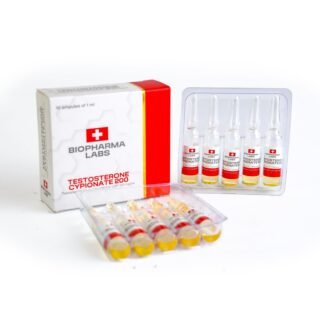
Testosterone Cypionate 200 Biopharma 10 amp
Original price was: $99.00.$72.00Current price is: $72.00.
-
Buy Testosterone E 300mg 10 ml Geno Pharma Domestic USA/CA
$99.00
-
Testosterone Cypionate Buy 300mg 10ml Geno Pharma
$99.00
-
Buy Anavar 10mg – Purchase Geno Pharma
$99.00
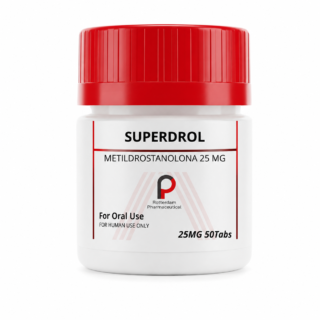





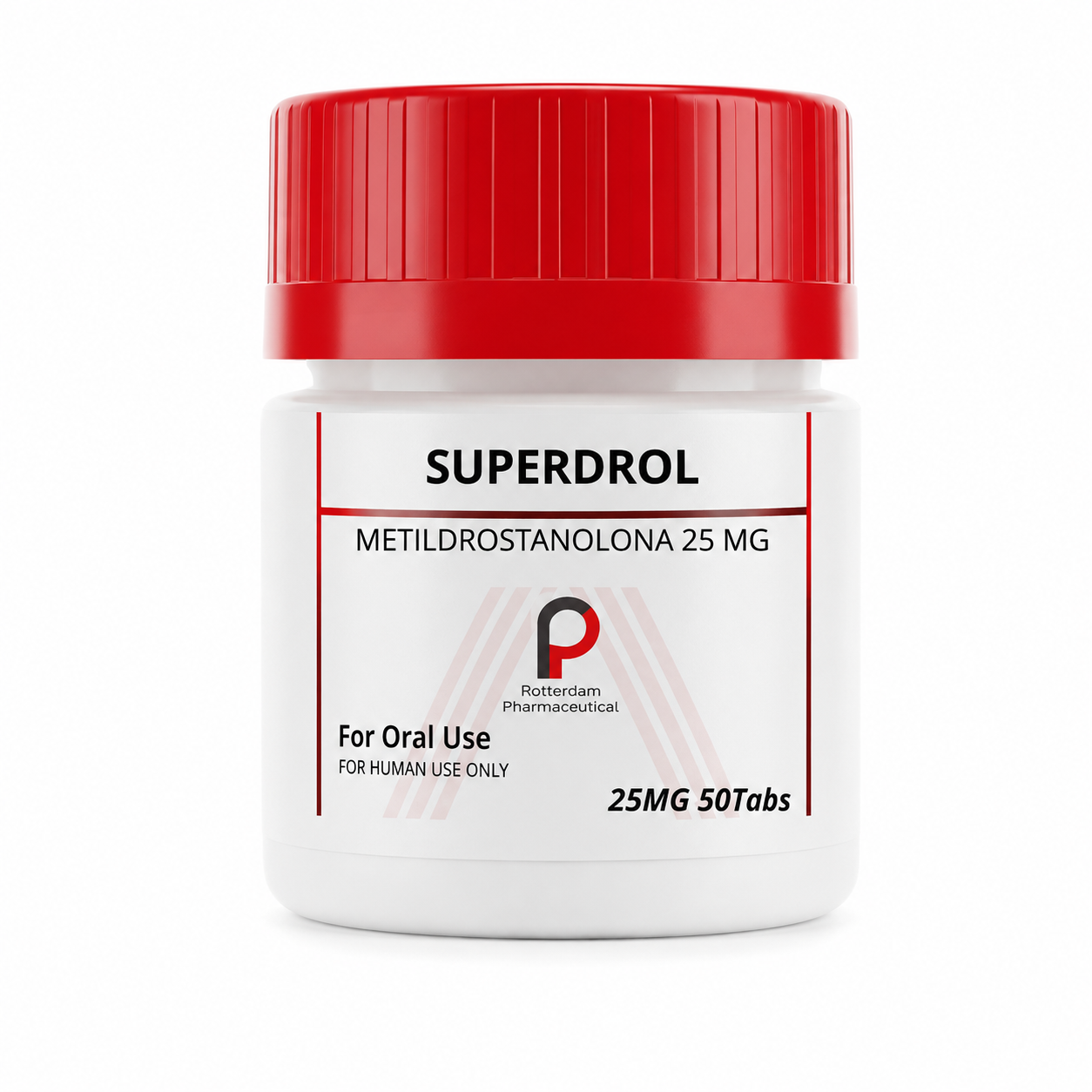
Superdrol Rotterdam Pharmaceutical
Original price was: $99.00.$66.00Current price is: $66.00.
Superdrol 25 mg by Rotterdam Pharmaceutical is a reported oral formulation containing Methyldrostanolone (Methasterone), presented in a package of 50 tablets. Methasterone is a structurally modified dihydrotestosterone derivative characterized by 2α- and 17α-methylation. It belongs to the class of 17α-alkylated anabolic-androgenic steroids and has been associated with significant hepatic, cardiovascular, and endocrine risks.
Superdrol Rotterdam Pharmaceutical 25mg 50 tabs Methyldrostanolone Pharmacology, Molecular Structure, and Scientific Analysis
Superdrol Rotterdam , scientifically known as Methyldrostanolone or Methasterone, is a synthetic oral anabolic-androgenic steroid (AAS) structurally related to dihydrotestosterone (DHT). Its molecular configuration incorporates two methyl groups at the 2α and 17α positions, distinguishing it from naturally occurring androgens and structurally related compounds such as Drostanolone.
The reported presentation of Superdrol by Rotterdam Pharmaceutical consists of 50 tablets, each declared to contain 25 mg of Methyldrostanolone.
From a pharmaceutical perspective, Methasterone represents an important example of how relatively small structural modifications to a steroid molecule can influence its metabolism, oral activity, biological interactions, and toxicological characteristics.
Unlike injectable esterified androgens, Methyldrostanolone does not depend on ester hydrolysis or prolonged release from an intramuscular oil depot. Instead, its pharmacological behavior is associated with its modified steroid structure and its interaction with gastrointestinal absorption and hepatic metabolic processes.
This article examines Superdrol pharmacology, molecular structure, theoretical pharmacokinetics, mechanism of action, endocrine effects, cardiovascular implications, and documented cases of Methasterone-induced liver injury.
What Is Superdrol Rotterdam (Methyldrostanolone)?
Superdrol is one of the recognized names for Methasterone, a synthetic androgen belonging to the family of 17α-alkylated anabolic-androgenic steroids.
The compound is also identified under several alternative names:
- Methyldrostanolone
- Methasterone
- Methasteron
- 17-Methyldrostanolone
- 2α,17α-Dimethyl-5α-androstan-17β-ol-3-one
These names refer to the same chemical substance rather than different active pharmaceutical ingredients.
Methyldrostanolone is structurally related to Drostanolone, commonly associated with the trade name Masteron. The principal distinction between these two compounds is the additional methyl group attached to carbon 17 in Methasterone.
This structural modification is pharmacologically significant because 17α-alkylation influences steroid metabolism and is strongly associated with the hepatotoxic potential of several orally active anabolic steroids.
Although Methasterone is recognized in international chemical databases and the FDA Global Substance Registration System, this recognition does not establish pharmaceutical approval, therapeutic efficacy, or safety in humans.
History and Development of Superdrol
Methyldrostanolone belongs to a broader historical category of synthetic androgens developed through chemical modifications of naturally occurring steroid hormones.
Research into anabolic-androgenic steroids has historically explored whether changes to the steroid nucleus could influence tissue activity, metabolic stability, and pharmaceutical delivery characteristics.
Methasterone eventually became commercially associated with bodybuilding products marketed under the name Superdrol.
Its appearance in the supplement market attracted clinical attention because of reports involving severe jaundice, prolonged cholestasis, and other forms of drug-induced liver injury.
In 2008, Shah et al. published a clinical series documenting five cases of Methasterone-associated hepatotoxicity. A subsequent publication by Nasr and Ahmad (2009) described severe cholestasis accompanied by renal failure.
These publications established an important distinction between the perceived performance-related properties of Methasterone and its documented potential for serious systemic toxicity.
More recent research has investigated Methasterone metabolism using advanced analytical techniques, including high-resolution mass spectrometry.
Nevertheless, a substantial gap remains between the chemical identification of Methyldrostanolone and comprehensive clinical characterization of its pharmacological behavior in humans.
Superdrol Rotterdam Chemical Structure and Molecular Properties
Methyldrostanolone retains the characteristic four-ring steroid nucleus found in testosterone and dihydrotestosterone.
Its molecular structure contains a carbonyl group at carbon 3, a hydroxyl group at carbon 17β, and additional methyl substituents at the 2α and 17α positions.
Methasterone Chemical Specifications
| Chemical property | Specification |
|---|---|
| Scientific name | Methasterone |
| Alternative name | Methyldrostanolone |
| Molecular formula | C21H34O2 |
| Molecular weight | 318.5 g/mol |
| CAS Registry Number | 3381-88-2 |
| PubChem CID | 237186 |
| FDA UNII | GH88DY98MR |
| Steroid classification | 17α-alkylated anabolic-androgenic steroid |
| Structural relationship | Dihydrotestosterone derivative |
| Carbonyl group | Carbon 3 |
| Hydroxyl group | Carbon 17β |
| Additional methyl groups | Carbon 2α and carbon 17α |
| Esterification | None |
Sources: National Center for Biotechnology Information, PubChem; FDA Global Substance Registration System.
The molecular structure of Methasterone provides a foundation for understanding its chemical identity and developing hypotheses regarding its metabolism. However, structural information alone cannot establish clinical potency, therapeutic effectiveness, or a quantitative safety profile.
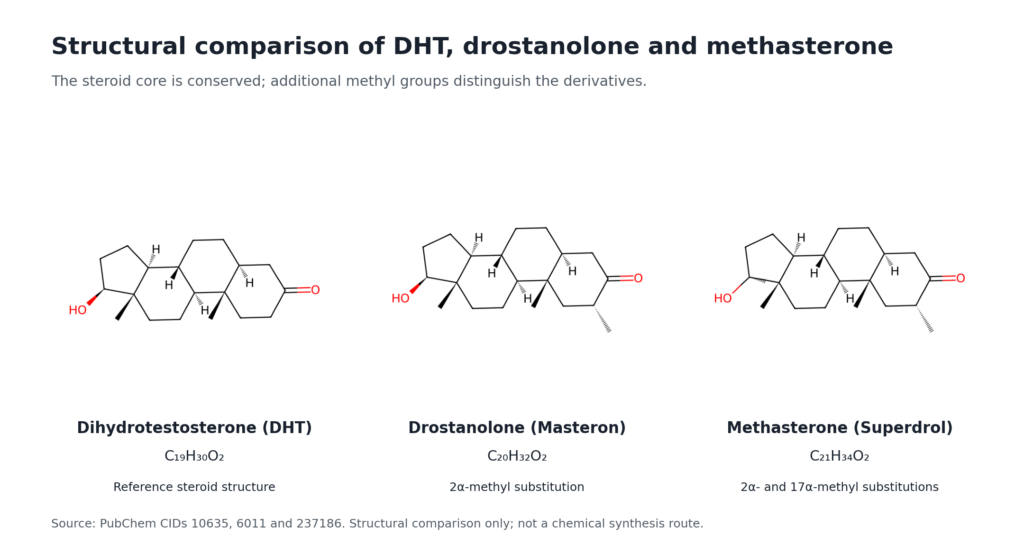
Structural Relationship Between DHT, Drostanolone, and Methasterone
One of the most informative approaches to understanding Superdrol is to compare its molecular structure with Dihydrotestosterone and Drostanolone.
| Compound | Molecular formula | Molecular weight | Structural distinction |
|---|---|---|---|
| Dihydrotestosterone | C19H30O2 | 290.4 g/mol | Reference steroid structure |
| Drostanolone | C20H32O2 | 304.5 g/mol | Additional 2α-methyl group |
| Methasterone | C21H34O2 | 318.5 g/mol | Additional 2α- and 17α-methyl groups |
Insert Figure 1: Molecular Structure Comparison of DHT, Drostanolone, and Methasterone.
The structural relationship between these three compounds demonstrates how methyl substitutions distinguish closely related androgens.
Importantly, this comparison represents molecular relationships rather than a biochemical conversion pathway or chemical synthesis procedure.
The Role of 2α-Methylation
The methyl group located at carbon 2α is shared by Drostanolone and Methyldrostanolone.
This substitution changes the steric environment of the A-ring, particularly near the carbonyl group at carbon 3.
Because steroid-metabolizing enzymes recognize specific molecular configurations, substitutions near this region could influence how a steroid interacts with enzymes involved in reduction, oxidation, and metabolic transformation.
A theoretical consequence is that Methasterone may undergo different metabolic reactions from unmodified Dihydrotestosterone.
However, the independent contribution of 2α-methylation to Methasterone’s pharmacological activity has not been adequately quantified in controlled human studies.
It would therefore be inappropriate to interpret this modification as evidence of a specific increase in anabolic potency.
The Role of 17α-Methylation
The additional methyl group at carbon 17α represents the principal structural difference between Methasterone and Drostanolone.
This modification alters the chemical environment surrounding the 17β-hydroxyl group and can hinder certain metabolic reactions involving this position.
The 17α-alkylation strategy has historically been used in synthetic androgens to improve oral activity by reducing susceptibility to some forms of metabolic inactivation.
Nevertheless, this characteristic is also associated with a significant toxicological disadvantage.
The National Institute of Diabetes and Digestive and Kidney Diseases identifies 17α-alkylated androgens as a class particularly associated with prolonged cholestatic liver injury and other hepatic complications.
Oral metabolic stability and hepatic safety are therefore distinct pharmaceutical properties. A compound’s ability to remain biologically active after oral administration does not imply that it can be processed safely by the liver.
Molecular Weight Comparison of Superdrol Rotterdam and Other Anabolic Steroids
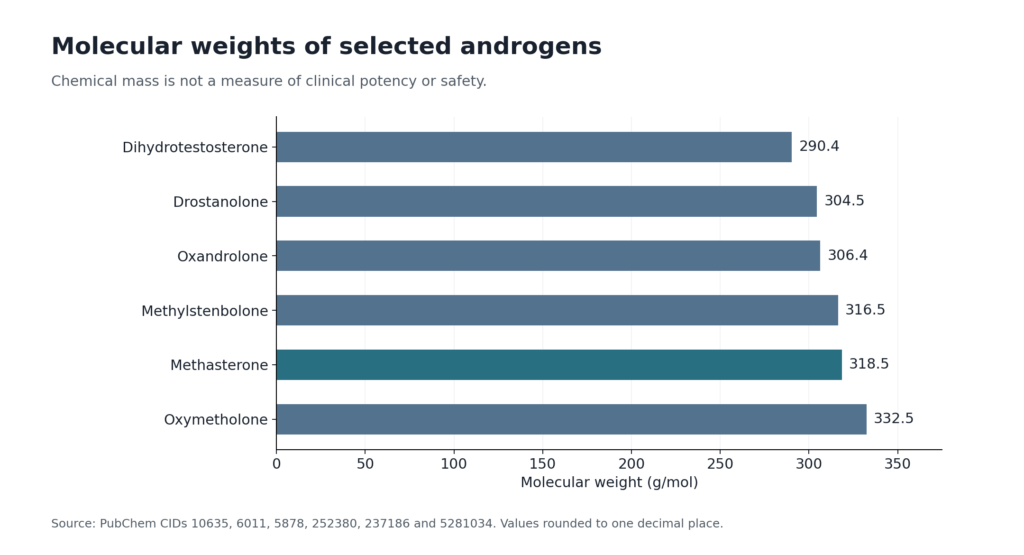
Comparing molecular weights helps illustrate the chemical diversity of structurally related androgens.
| Compound | Common name | Molecular formula | Molecular weight |
|---|---|---|---|
| Dihydrotestosterone | DHT | C19H30O2 | 290.4 g/mol |
| Drostanolone | Masteron | C20H32O2 | 304.5 g/mol |
| Oxandrolone | Anavar | C19H30O3 | 306.4 g/mol |
| Methylstenbolone | M-Sten | C21H32O2 | 316.5 g/mol |
| Methasterone | Superdrol | C21H34O2 | 318.5 g/mol |
| Oxymetholone | Anadrol | C21H32O3 | 332.5 g/mol |
Insert Figure 2: Molecular Weight Comparison of Selected Anabolic-Androgenic Steroids.
Although these compounds possess relatively similar molecular weights, their biological behavior may differ substantially.
Factors such as stereochemistry, functional groups, receptor interactions, tissue-specific metabolism, and pharmaceutical formulation are more informative than molecular weight alone.
Consequently, these values should not be interpreted as a ranking of anabolic activity, clinical efficacy, or toxicological risk.
Superdrol Rotterdam Mechanism of Action
Methyldrostanolone belongs to a class of synthetic hormones whose biological activity involves interaction with androgen-responsive cellular pathways.
Androgen receptors are ligand-dependent transcriptional regulators expressed in multiple tissues, including skeletal muscle, reproductive organs, skin, bone, and other physiological systems.
Androgen Receptor Activation
The classical mechanism of androgen signaling involves the interaction of an androgenic molecule with its intracellular receptor.
Ligand binding produces changes in receptor configuration that influence transcriptional activity and the regulation of androgen-responsive genes.
This signaling process contributes to the biological effects associated with endogenous and exogenous androgens.
However, the activation of androgen receptors does not occur exclusively in skeletal muscle.
Receptor expression across multiple tissues explains why anabolic-androgenic steroids can produce systemic effects involving reproductive physiology, skin, hair follicles, cardiovascular function, and endocrine regulation.
Protein Metabolism and Nitrogen Retention
Androgen signaling participates in the regulation of skeletal muscle protein turnover.
Changes in transcriptional activity can influence processes associated with protein synthesis, protein degradation, and tissue maintenance.
Nitrogen retention is another physiological concept historically associated with anabolic steroid research because nitrogen balance reflects aspects of whole-body protein metabolism.
Nevertheless, these general androgenic mechanisms should not be confused with product-specific clinical evidence.
Controlled human trials establishing the magnitude of Methasterone’s effects on skeletal muscle protein synthesis, nitrogen retention, or functional strength remain insufficient.
The biological plausibility of an anabolic effect does not establish a favorable balance between pharmacological activity and systemic toxicity.
Superdrol Rotterdam Pharmacokinetics and Half-Life
The pharmacokinetics of Methyldrostanolone differ conceptually from those of injectable esterified androgens.
Superdrol is an orally presented, non-esterified steroid rather than a preparation designed to release a hormone through the hydrolysis of an ester attached to an intramuscular depot.
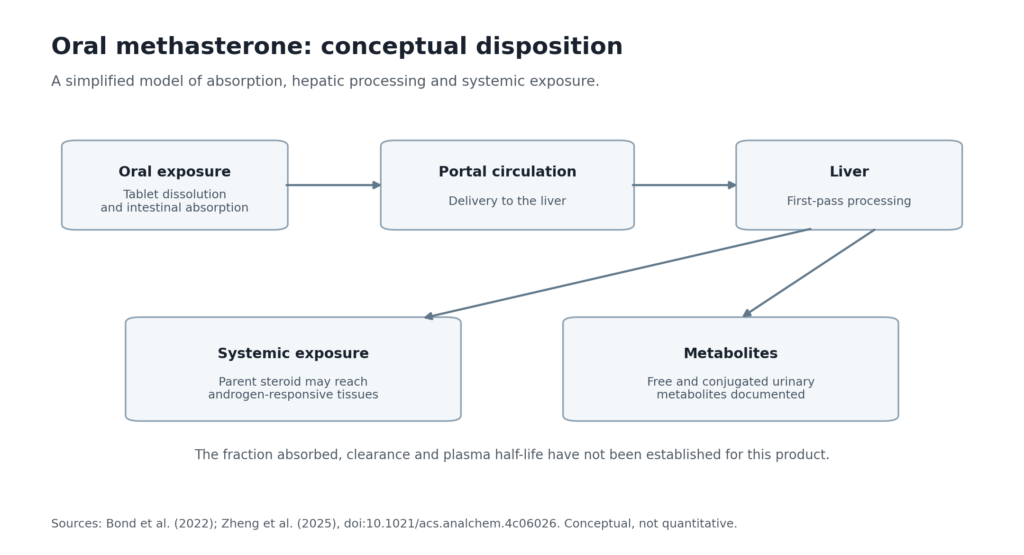
Its systemic behavior therefore depends on gastrointestinal absorption, hepatic processing, distribution, metabolic transformation, and elimination.
Oral Absorption and First-Pass Metabolism
Following oral exposure, a drug must dissolve and become available for absorption across the gastrointestinal tract.
Absorbed molecules generally enter the portal circulation, which transports them to the liver before they reach the wider systemic circulation.
During this process, hepatic enzymes may transform a proportion of the original compound into metabolites.
Methasterone’s 17α-methyl substitution provides a chemical rationale for altered susceptibility to certain metabolic reactions.
However, its absolute oral bioavailability, absorption rate, and first-pass extraction ratio have not been reliably established for the reported Rotterdam Pharmaceutical formulation.
Tablet composition, excipients, dissolution characteristics, and individual physiological differences may influence systemic exposure.
Hepatic Metabolism and Elimination
The metabolism of steroid hormones can involve several biochemical processes, including:
- Oxidation and reduction.
- Hydroxylation.
- Glucuronide conjugation.
- Sulfate conjugation.
- Elimination of parent compounds and metabolites.
In 2025, Zheng et al. investigated the urinary metabolic profiles of Methasterone and Oxymetholone using gas chromatography coupled with high-resolution mass spectrometry.
The researchers identified previously unreported Methasterone metabolites, illustrating that its metabolic characterization remains an active area of scientific investigation.
The study contributes to an understanding of how Methasterone is transformed within the human body. It does not establish a complete therapeutic pharmacokinetic model or validate the safety of commercial Methyldrostanolone products.
Insert Figure 3: Conceptual Oral Disposition and Hepatic Metabolism of Methasterone.
What Is the Half-Life of Superdrol?
The Superdrol half-life is frequently discussed in nonclinical bodybuilding literature.
However, a reliable plasma elimination half-life should be established through appropriately designed pharmacokinetic research involving validated analytical methods and serial measurement of systemic drug concentrations.
Urinary metabolite identification is not equivalent to measuring the plasma half-life of the parent steroid.
Similarly, the persistence of biological effects or adverse reactions does not directly establish how long unchanged Methasterone remains in circulation.
The sources reviewed do not provide sufficient evidence to assign a validated numerical plasma half-life to Superdrol Rotterdam 25 mg tablets.
Theoretical Molecular Pharmacology of Methyldrostanolone
The combination of 2α- and 17α-methylation makes Methasterone an interesting subject for theoretical molecular pharmacology.
A useful conceptual framework is to examine three distinct levels of biological behavior: metabolic transformation, systemic receptor activity, and organ-specific toxicity.
These processes are interconnected but do not necessarily occur over identical timescales.
Hypothesis 1: Altered Steroid-Enzyme Interactions
The first hypothesis concerns the relationship between molecular geometry and enzyme recognition.
The methyl group at carbon 2α modifies the environment surrounding the A-ring, while the methyl group at carbon 17α modifies the environment near the hydroxyl group of the D-ring.
Together, these substitutions could alter how Methasterone interacts with steroid-metabolizing enzymes relative to Dihydrotestosterone and Drostanolone.
This hypothesis is consistent with general principles of medicinal chemistry.
However, direct comparative studies are necessary to determine the relative importance of individual metabolic pathways and whether these structural modifications produce measurable differences in systemic clearance.
Hypothesis 2: Dissociation Between Systemic Exposure and Biological Response
A second hypothesis concerns the distinction between circulating steroid concentrations and downstream biological effects.
Androgen receptor activation can initiate changes in gene expression that do not necessarily disappear immediately when plasma concentrations decline.
For example, a hypothetical reduction in circulating Methasterone would not establish that endocrine feedback mechanisms, cellular transcription, or tissue-specific responses have returned to their previous state.
This illustrates why drug elimination and physiological recovery should be considered separate pharmacological concepts.
Hypothesis 3: Persistence of Toxicity Beyond Drug Exposure
The third hypothesis concerns the persistence of hepatic dysfunction after exposure has ceased.
If a steroid interferes with normal hepatic bile handling, the resulting disturbance may continue even after the original compound has undergone substantial metabolic elimination.
Clinical reports involving Methasterone support the observation that liver injury can continue progressing after discontinuation.
This does not establish a specific mechanism of persistent toxicity, but it demonstrates that adverse clinical outcomes cannot be predicted solely from an estimated drug half-life.
Three Illustrative Examples
Example A: Normal aminotransferases and evolving cholestasis
An individual could theoretically develop impaired bile handling without an immediate, substantial elevation in ALT or AST. This possibility is consistent with the clinical presentation of anabolic steroid-associated bland cholestasis.
Example B: Metabolic elimination and endocrine suppression
A decline in systemic steroid concentrations may occur before normal gonadotropin secretion and reproductive hormone regulation have recovered.
Example C: Hepatic injury with secondary systemic complications
Persistent cholestatic dysfunction may be accompanied by complications involving other organs, including the kidneys.
These examples illustrate why the clinical consequences of Methasterone exposure cannot be described by a single pharmacokinetic parameter.
Superdrol Anabolic and Androgenic Activity
Anabolic-androgenic steroids are characterized by their ability to influence androgen-responsive physiological processes.
The term anabolic generally describes effects associated with tissue growth and protein metabolism, whereas androgenic activity relates to the development and maintenance of androgen-dependent characteristics.
Historically, researchers have attempted to distinguish these properties through experimental assays involving different animal tissues.
However, anabolic-to-androgenic ratios obtained from historical laboratory experiments cannot be directly translated into equivalent human clinical outcomes.
There is insufficient evidence to establish a precise anabolic-to-androgenic ratio for Methasterone in humans.
Consequently, claims describing Superdrol as a specific multiple of the anabolic potency of testosterone should not be interpreted as validated clinical measurements.
Superdrol and Aromatization
Methasterone possesses a 5α-reduced steroid nucleus related to Dihydrotestosterone.
Based on this structural relationship, it is not expected to undergo conventional aromatization into estradiol through the pathway associated with testosterone.
However, the absence of direct aromatization does not eliminate the possibility of endocrine disturbances.
Exogenous androgen exposure can interfere with endogenous testosterone production and indirectly influence estrogen availability.
Reduced endogenous testosterone synthesis may also affect the amount of testosterone available for conversion into estradiol.
Estrogen contributes to several physiological processes, including bone metabolism, sexual function, and aspects of cardiovascular health.
Therefore, describing Methasterone as non-aromatizing does not establish that it preserves normal hormonal balance or eliminates estrogen-related complications arising from broader endocrine disruption.
Superdrol in Bodybuilding and Sports Pharmacology
Methyldrostanolone has attracted attention within bodybuilding communities because of its classification as an orally active anabolic-androgenic steroid.
Discussions frequently associate Superdrol with changes in muscular appearance, physical strength, and body composition.
However, these observations often originate from uncontrolled experiences rather than standardized clinical investigations.
Concurrent anabolic steroid exposure, exercise programs, dietary practices, hydration, and other variables can substantially influence reported outcomes.
There are no adequate controlled human studies establishing the safety or comparative performance-enhancing efficacy of the reported Rotterdam Pharmaceutical product.
Methasterone is also prohibited in competitive sport under the World Anti-Doping Agency’s anabolic agents classification.
Superdrol vs. Masteron (Drostanolone)
Superdrol and Masteron share a close structural relationship.
Drostanolone contains a 2α-methyl substitution, whereas Methasterone possesses an additional methyl group at carbon 17α.
| Characteristic | Superdrol | Masteron |
|---|---|---|
| Active steroid | Methasterone | Drostanolone |
| Steroid nucleus | DHT-related | DHT-related |
| 2α-methylation | Present | Present |
| 17α-methylation | Present | Absent |
| Typical pharmaceutical presentation | Oral | Injectable esterified formulations |
| Molecular weight of parent steroid | 318.5 g/mol | 304.5 g/mol |
The additional methyl group in Methasterone changes its metabolic characteristics and places it within the 17α-alkylated steroid category.
The structural similarity between the compounds does not establish equivalent pharmacokinetics or toxicological effects.
Superdrol vs. Anadrol (Oxymetholone)
Methasterone and Oxymetholone are both structurally modified androgens containing a 17α-methyl group.
However, Oxymetholone possesses a hydroxymethylene modification near carbon 2, whereas Methasterone contains a 2α-methyl substitution.
These differences influence their chemical identity and may affect their metabolic interactions.
Oxymetholone has a documented history of medical investigation and therapeutic application, particularly in certain anemias.
Methasterone lacks comparable clinical development and established human therapeutic evidence.
Both compounds have been associated with hepatic safety concerns. The available evidence does not establish a reliable quantitative comparison of their relative hepatotoxicity under equivalent conditions.
Superdrol vs. Anavar (Oxandrolone)
Oxandrolone is another 17α-alkylated steroid structurally related to Dihydrotestosterone.
Its distinguishing feature is the substitution of a carbon atom in the A-ring with oxygen at position 2.
Methasterone, in contrast, retains the carbon-based steroid ring and incorporates a methyl group at position 2α.
| Characteristic | Methasterone | Oxandrolone |
|---|---|---|
| Molecular formula | C21H34O2 | C19H30O3 |
| Molecular weight | 318.5 g/mol | 306.4 g/mol |
| 17α-alkylation | Present | Present |
| Carbon 2 modification | Methyl substitution | Oxygen substitution |
| Product-specific human pharmacokinetics | Insufficient | Historically documented in pharmaceutical research |
Although Oxandrolone has a more extensive history of clinical investigation, it also carries risks associated with anabolic androgen exposure and hepatic dysfunction.
Structural differences should not be interpreted as evidence that either compound is safe for nonmedical use.
Superdrol vs. Methylstenbolone
Methylstenbolone is closely related to Methasterone at the molecular level.
The principal structural distinction is the presence of an additional double bond between carbon atoms 1 and 2 in Methylstenbolone.
| Chemical property | Methasterone | Methylstenbolone |
|---|---|---|
| Molecular formula | C21H34O2 | C21H32O2 |
| Molecular weight | 318.5 g/mol | 316.5 g/mol |
| 17α-methylation | Present | Present |
| Carbon 1–2 double bond | Absent | Present |
The additional unsaturation changes the molecular configuration of the A-ring.
It may influence enzyme interactions and metabolic transformations, although these possibilities cannot be translated into reliable comparative clinical potency estimates.
Controlled human research directly comparing the safety profiles of Methasterone and Methylstenbolone remains limited.
Superdrol Hepatotoxicity and Cholestasis
Hepatotoxicity is one of the most clinically significant concerns associated with Methyldrostanolone.
Unlike several other synthetic androgens for which human safety concerns are primarily inferred from class-wide evidence, Methasterone has been directly implicated in published clinical cases of serious liver injury.
Understanding Anabolic Steroid-Induced Cholestasis
Cholestasis refers to impaired bile formation or bile flow, resulting in abnormal accumulation of bile constituents within the body.
The liver normally processes bile acids, bilirubin, cholesterol, and other substances through coordinated transport mechanisms.
Disruption of these mechanisms can produce clinically significant abnormalities even when widespread hepatocyte destruction is absent.
The term bland cholestasis describes a characteristic histological presentation in which substantial bile accumulation occurs with relatively limited inflammation or cellular necrosis.
This pattern is frequently associated with 17α-alkylated anabolic steroids.
Bile Acid Transport and Hepatic Dysfunction
The movement of bile acids through hepatocytes involves specialized membrane transport proteins.
One important transporter is the bile salt export pump (BSEP), encoded by the ABCB11 gene.
Other transport systems contribute to the secretion of conjugated bilirubin and additional biliary constituents.
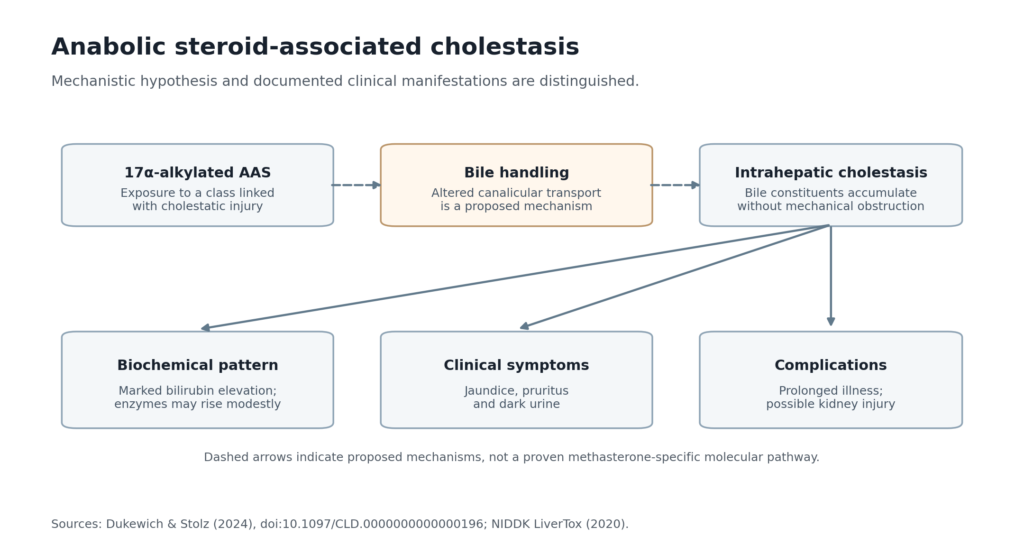
Alterations in these processes have been investigated as potential contributors to anabolic steroid-associated cholestasis.
However, the precise transporter-level mechanism of Methasterone-induced liver injury has not been conclusively established.
The available evidence supports a relationship between exposure and cholestatic injury without demonstrating that every affected individual develops toxicity through an identical molecular pathway.
Insert Figure 4: Theoretical Mechanisms of Anabolic Steroid-Induced Cholestasis.
Why Normal ALT and AST Do Not Exclude Liver Injury
ALT and AST primarily reflect aspects of cellular injury and are not comprehensive measurements of every hepatic function.
In steroid-associated cholestasis, bilirubin concentrations can become markedly elevated even when aminotransferase abnormalities are relatively modest.
This creates an important clinical distinction between hepatocellular injury and impaired biliary function.
An individual cannot assume that normal or minimally elevated aminotransferases establish the absence of steroid-associated liver toxicity.
Clinical symptoms and other laboratory measurements, including bilirubin, alkaline phosphatase, coagulation parameters, and kidney function, may be necessary for an appropriate medical assessment.
Clinical Case Studies of Methasterone-Induced Liver Injury
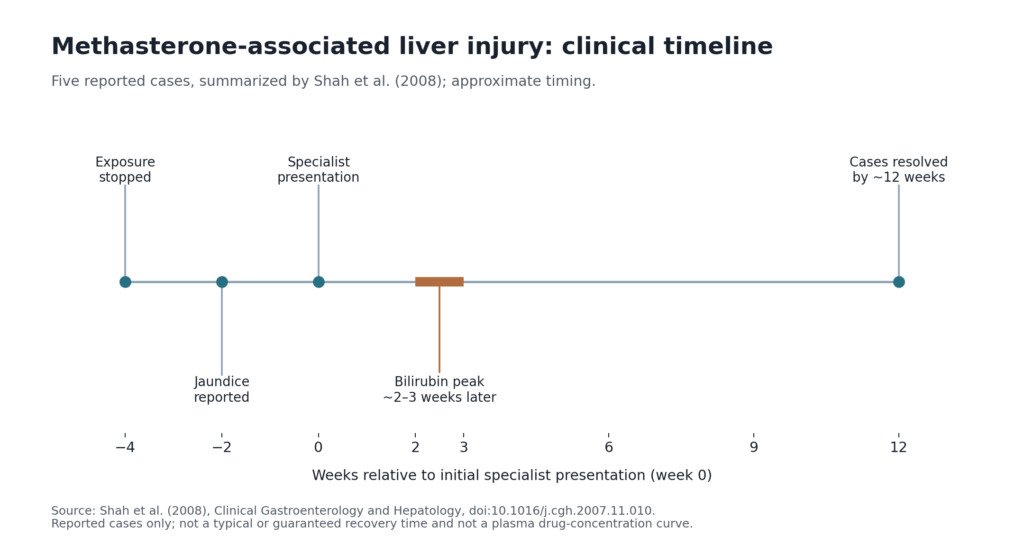
Shah et al. (2008): Five Cases of Methasterone-Associated Cholestasis
Shah and colleagues published a clinical investigation involving five previously healthy individuals who developed liver injury after Methasterone exposure.
Their reported clinical course included delayed jaundice, continued increases in bilirubin after medical presentation, and a prolonged recovery period.
| Clinical event | Approximate timing relative to initial specialist presentation |
|---|---|
| Methasterone discontinued | 4 weeks before presentation |
| Jaundice developed | 2 weeks before presentation |
| Specialist medical presentation | Week 0 |
| Bilirubin reached its highest reported levels | 2–3 weeks after presentation |
| Clinical resolution | Approximately 12 weeks after presentation |
Insert Figure 5: Clinical Timeline of Methasterone-Associated Cholestatic Liver Injury.
The series is particularly relevant because clinical deterioration continued after the steroid had been discontinued.
Although the reported individuals recovered without identifiable residual hepatic dysfunction, these observations do not establish that all patients experiencing Methasterone-associated liver injury will recover similarly.
Nasr and Ahmad (2009): Severe Cholestasis and Renal Failure
Nasr and Ahmad documented a case involving both severe cholestatic injury and renal failure associated with Superdrol.
This publication illustrates that complications arising from Methasterone exposure may extend beyond the liver.
The coexistence of hepatic and renal dysfunction also emphasizes the importance of evaluating systemic consequences rather than interpreting hepatotoxicity as an isolated elevation of liver enzymes.
Drug-Induced Liver Injury Network Findings
A larger investigation by Stolz et al. (2019) examined 44 male patients who developed liver injury associated with bodybuilding supplements.
| Clinical finding | Observed result |
|---|---|
| Number of patients | 44 |
| Jaundice | 100% |
| Pruritus | 84% |
| Hospitalization | 71% |
| Median peak total bilirubin | 25.8 mg/dL |
| Median duration of bilirubin ≥ 2.5 mg/dL | Approximately 94 days |
Methyldrostanolone was among the substances frequently identified during chemical analysis of available products.
These findings relate to a broader group of bodybuilding supplement-associated liver injuries and should not be interpreted as incidence rates for Methasterone or Rotterdam Pharmaceutical Superdrol specifically.
The 2024 review by Dukewich and Stolz further emphasizes the importance of recognizing the clinical and biochemical characteristics of anabolic steroid-associated liver injury.
Superdrol and Cardiovascular Health
Cardiovascular complications represent another significant concern associated with anabolic-androgenic steroid exposure.
Potential mechanisms include unfavorable changes in circulating lipoproteins, elevated blood pressure, endothelial dysfunction, altered cardiac remodeling, and increased hematocrit.
A 2025 study published in Circulation found associations between anabolic steroid use and several serious cardiovascular conditions, including myocardial infarction, arrhythmias, cardiomyopathy, and heart failure.
Although the study did not isolate Methasterone as an individual exposure, its findings provide relevant context for evaluating the systemic risks of anabolic-androgenic steroids.
Superdrol and Cholesterol Metabolism
Androgens can influence hepatic lipoprotein metabolism and the distribution of circulating cholesterol.
The prospective HAARLEM study documented several changes among 100 male androgen users.
| Cardiovascular marker | Average change during androgen exposure |
|---|---|
| Systolic blood pressure | +6.87 mmHg |
| Diastolic blood pressure | +3.17 mmHg |
| LDL cholesterol | +0.45 mmol/L |
| Apolipoprotein B | +18.2 mg/dL |
| HDL cholesterol | −0.40 mmol/L |
| Hematocrit | +3 percentage points |
Source: Smit et al. (2022).
These results reflect broader androgen exposure and cannot be used to predict the exact lipid changes associated with Methasterone.
They nevertheless illustrate the potential interaction between androgen exposure, dyslipidemia, erythrocytosis, and cardiovascular stress.
The absence of noticeable symptoms does not exclude the development of clinically important cardiovascular abnormalities.
Superdrol and Endocrine Suppression
Exogenous anabolic-androgenic steroids can interfere with the hypothalamic-pituitary-gonadal axis.
Under normal physiological conditions, this system regulates reproductive hormone production through communication between the hypothalamus, pituitary gland, and gonads.
External androgen exposure may reduce the secretion of luteinizing hormone (LH) and follicle-stimulating hormone (FSH).
Potential consequences include reduced endogenous testosterone production, impaired sperm production, reproductive dysfunction, and changes in sexual function.
A 2023 scoping review by Solanki et al. documented substantial variability in recovery following anabolic steroid-induced hypogonadism.
The timing of endocrine recovery cannot be reliably established from a theoretical Methasterone half-life or from the disappearance of noticeable androgenic effects.
Superdrol and Kidney Function
Kidney-related complications may arise through several pathways during anabolic steroid exposure.
Potential contributing factors include cardiovascular stress, hypertension, altered fluid balance, and complications associated with severe hepatic dysfunction.
In patients with pronounced cholestasis, the accumulation of bile constituents may contribute to renal tubular injury.
A condition known as bile cast nephropathy can occur in the context of severe hyperbilirubinemia, although its presence must be established through appropriate clinical evaluation.
The published case by Nasr and Ahmad demonstrates that renal failure can accompany Methasterone-associated cholestasis.
The precise incidence of renal complications attributable to Methasterone remains unknown.
Superdrol Side Effects in Men and Women
The adverse effects associated with Methasterone should be evaluated within the context of its androgenic activity, hepatic metabolism, and the broader toxicological profile of 17α-alkylated anabolic steroids.
| Physiological system | Potential adverse effects |
|---|---|
| Hepatic | Cholestasis, jaundice, drug-induced liver injury |
| Cardiovascular | Hypertension, dyslipidemia, cardiac complications |
| Endocrine | Suppression of natural reproductive hormone production |
| Reproductive | Impaired fertility and sexual dysfunction |
| Dermatological | Acne, oily skin, androgen-associated hair loss |
| Renal | Acute kidney injury and secondary complications |
| Psychological | Irritability, mood disturbances, withdrawal-related symptoms |
Superdrol in Women
Women may be particularly susceptible to the virilizing effects of exogenous anabolic-androgenic steroids.
Potential manifestations include voice deepening, increased facial and body hair, menstrual disturbances, androgenic alopecia, and clitoral enlargement.
Some of these changes may be irreversible.
There is no established clinical safety profile supporting Methasterone use in women. Androgen exposure during pregnancy also presents potential risks to fetal development.
Superdrol Drug Interactions and Combined Steroid Exposure
Formal drug-interaction studies specific to Methasterone remain limited.
Concurrent exposure to other anabolic steroids, alcohol, hepatotoxic medications, or unidentified supplement ingredients may introduce additional clinical uncertainties.
The absence of documented interactions does not establish compatibility or safety.
There is also no validated evidence demonstrating that liver-support supplements prevent Methasterone-associated cholestasis.
Symptoms such as yellowing of the eyes or skin, dark urine, severe itching, persistent abdominal discomfort, or reduced urine output require prompt medical assessment.
Chest pain, severe shortness of breath, confusion, or other signs of serious systemic illness warrant emergency evaluation.
Pharmaceutical Quality and Product Verification
The declared composition of an anabolic steroid product should be distinguished from its analytically confirmed composition.
A systematic review published by Magnolini et al. (2022) identified substantial problems involving counterfeit and substandard anabolic steroid products in unregulated markets.
These findings highlight the importance of independent evaluation of active ingredient identity, tablet content, pharmaceutical impurities, and manufacturing consistency.
No independent chemical analysis or validated manufacturing documentation was available for the Rotterdam Pharmaceutical Superdrol presentation discussed in this article.
Accordingly, the product specifications represent declared information rather than confirmed analytical results.
Superdrol Rotterdam Pharmaceutical Product Specifications
| Specification | Declared information |
|---|---|
| Product name | Superdrol |
| Brand | Rotterdam Pharmaceutical |
| Active compound | Methyldrostanolone |
| Alternative scientific name | Methasterone |
| Declared tablet strength | 25 mg |
| Presentation | 50 tablets |
| Dosage form | Oral tablets |
| Molecular formula | C21H34O2 |
| Molecular weight | 318.5 g/mol |
| Chemical classification | 17α-alkylated anabolic-androgenic steroid |
| Independently verified composition | Not available |
| Validated product-specific human pharmacokinetics | Not available |
Methasterone is classified as a Schedule III controlled anabolic steroid in the United States. No FDA-approved human therapeutic indication for this product was identified.
Frequently Asked Questions About Superdrol Rotterdam
What is Superdrol Rotterdam 25 mg?
It is a reported oral tablet formulation labeled as containing 25 mg of Methyldrostanolone per tablet, presented in a package of 50 tablets under the Rotterdam Pharmaceutical brand.
Is Methyldrostanolone the same as Methasterone?
Yes. Methyldrostanolone, Methasterone, Methasteron, and Superdrol are recognized names associated with the same chemical compound.
Is Superdrol derived from DHT?
Methasterone is structurally related to Dihydrotestosterone and possesses additional methyl groups at the 2α and 17α positions.
Is Superdrol the same as Masteron?
No. Although they share a close molecular relationship, Methasterone contains an additional 17α-methyl group that distinguishes it from Drostanolone.
What is the half-life of Superdrol?
A validated plasma elimination half-life for the reported Rotterdam Pharmaceutical formulation has not been established in the sources reviewed.
Does Superdrol aromatize into estrogen?
Its chemical structure is not expected to undergo conventional aromatization into estradiol. However, this does not eliminate broader endocrine disturbances.
Is Superdrol hepatotoxic?
Yes. Published human clinical cases associate Methasterone with severe cholestatic liver injury.
Can Superdrol cause liver injury despite normal ALT and AST?
Steroid-associated cholestasis can occur with relatively modest or occasionally normal aminotransferase levels. ALT and AST alone are insufficient to exclude hepatic dysfunction.
Can Superdrol affect kidney function?
Yes. Renal failure has been documented in association with severe Methasterone-induced cholestasis, although the overall incidence remains unknown.
Is Superdrol prohibited in competitive sports?
Yes. Methasterone belongs to the anabolic steroid category prohibited by the World Anti-Doping Agency.
Conclusion
Superdrol, or Methyldrostanolone, represents a structurally modified androgen characterized by methyl substitutions at the 2α and 17α positions.
Its relationship with Dihydrotestosterone and Drostanolone provides a useful framework for understanding how molecular modifications can influence the pharmacological and metabolic characteristics of synthetic steroids.
The 17α-methyl group is particularly relevant because it illustrates the relationship between oral steroid activity and hepatic toxicological concerns.
Although theoretical models can help explain potential differences in enzyme recognition, systemic exposure, and biological response, these models cannot substitute for controlled human pharmacokinetic studies.
The most clinically significant evidence concerning Methasterone includes documented cases of severe cholestatic liver injury, prolonged recovery, and renal complications.
Its pharmaceutical presentation, molecular structure, and reported concentration do not establish clinical safety, manufacturing quality, or therapeutic efficacy.
A scientifically responsible evaluation of Superdrol must therefore distinguish established chemical properties, general androgen pharmacology, documented clinical toxicity, and unresolved questions concerning product-specific pharmacokinetics.
Scientific References
Bond, P., Smit, D. L., & de Ronde, W. (2022). Anabolic-androgenic steroids: How do they work and what are the risks? Frontiers in Endocrinology, 13, 1059473. https://doi.org/10.3389/fendo.2022.1059473
Dukewich, M., & Stolz, A. A. (2024). Anabolic steroid-associated liver injury. Clinical Liver Disease, 23(1), e0196. https://doi.org/10.1097/CLD.0000000000000196
Magnolini, R., Falcato, L., Cremonesi, A., Schori, D., & Bruggmann, P. (2022). Fake anabolic androgenic steroids on the black market: A systematic review and meta-analysis on qualitative and quantitative analytical results found within the literature. BMC Public Health, 22, 1371. https://doi.org/10.1186/s12889-022-13734-4
Nasr, J., & Ahmad, J. (2009). Severe cholestasis and renal failure associated with the use of the designer steroid Superdrol (methasteron): A case report and literature review. Digestive Diseases and Sciences, 54, 1144–1146. https://doi.org/10.1007/s10620-008-0457-x
National Center for Biotechnology Information. (n.d.). PubChem compound summary for CID 237186: Methasterone. https://pubchem.ncbi.nlm.nih.gov/compound/237186
National Center for Biotechnology Information. (n.d.). PubChem compound summary for CID 6011: Dromostanolone. https://pubchem.ncbi.nlm.nih.gov/compound/6011
National Center for Biotechnology Information. (n.d.). PubChem compound summary for CID 10635: Dihydrotestosterone. https://pubchem.ncbi.nlm.nih.gov/compound/10635
National Center for Biotechnology Information. (n.d.). PubChem compound summary for CID 5878: Oxandrolone. https://pubchem.ncbi.nlm.nih.gov/compound/5878
National Center for Biotechnology Information. (n.d.). PubChem compound summary for CID 5281034: Oxymetholone. https://pubchem.ncbi.nlm.nih.gov/compound/5281034
National Center for Biotechnology Information. (n.d.). PubChem compound summary for CID 252380: Methylstenbolone. https://pubchem.ncbi.nlm.nih.gov/compound/252380
National Institute of Diabetes and Digestive and Kidney Diseases. (2020). Androgenic steroids. In LiverTox: Clinical and research information on drug-induced liver injury. https://www.ncbi.nlm.nih.gov/books/NBK548931/
Shah, N. L., Zacharias, I., Khettry, U., Afdhal, N., & Gordon, F. D. (2008). Methasteron-associated cholestatic liver injury: Clinicopathologic findings in 5 cases. Clinical Gastroenterology and Hepatology, 6(2), 255–258. https://doi.org/10.1016/j.cgh.2007.11.010
Smit, D. L., Grefhorst, A., Buijs, M. M., de Hon, O., den Heijer, M., & de Ronde, W. (2022). Prospective study on blood pressure, lipid metabolism and erythrocytosis during and after androgen abuse. Andrologia, 54(4), e14372. https://doi.org/10.1111/and.14372
Solanki, P., Eu, B., Smith, J., Allan, C., & Lee, K. (2023). Physical, psychological and biochemical recovery from anabolic steroid-induced hypogonadism: A scoping review. Endocrine Connections, 12(12), e230358. https://doi.org/10.1530/EC-23-0358
Stolz, A., Navarro, V., Hayashi, P. H., Fontana, R. J., Barnhart, H. X., Gu, J., Chalasani, N. P., Vega, M. M., Bonkovsky, H. L., Seeff, L. B., Serrano, J., Avula, B., Khan, I. A., Cirulli, E. T., Kleiner, D. E., & Hoofnagle, J. H. (2019). Severe and protracted cholestasis in 44 young men taking bodybuilding supplements: Assessment of genetic, clinical and chemical risk factors. Alimentary Pharmacology & Therapeutics, 49(9), 1195–1204. https://doi.org/10.1111/apt.15211
U.S. Food and Drug Administration. (n.d.). Methasterone: Substance identification record GH88DY98MR. https://precision.fda.gov/uniisearch/srs/unii/GH88DY98MR
Windfeld-Mathiasen, J., Heerfordt, I. M., Dalhoff, K. P., Andersen, J. T., Andersen, M. A., Johansson, K. S., Biering-Sørensen, T., Olsen, F. J., & Horwitz, H. (2025). Cardiovascular disease in anabolic androgenic steroid users. Circulation, 151(12), 828–834. https://doi.org/10.1161/CIRCULATIONAHA.124.071117
World Anti-Doping Agency. (2026). The 2026 prohibited list. https://www.wada-ama.org/
Zheng, S., Ge, Y., Fang, X., Liu, M., Sun, H., Deng, X., & Liao, L. (2025). Multiplex nontargeted framework enables tracking metabolic profile of oxymetholone and methasterone in vivo at nanogram level by GC-Orbitrap-HRMS for antidoping purpose. Analytical Chemistry, 97(5), 3009–3018. https://doi.org/10.1021/acs.analchem.4c06026
Medical disclaimer: This article is intended for scientific and educational purposes. Theoretical pharmacological models are not clinically validated treatment recommendations. Methasterone has been associated with serious adverse effects, and the reported product’s identity, quality, and concentration have not been independently verified.
Related products
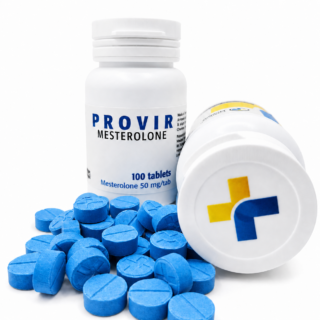
Provir (Mesterolone) 50mg/tab 100 tabs – Medical Pharma
$93.00Add to cartPharmacologic Category
Androgen.
Dosing: Adult
50mg every days for duration of 4-8 weeks.
Dosing: Geriatric
Refer to adult dosing.
Dosing: Pediatric
No information in pediatric population available.
Dosing: Renal impairment
No dosage adjustment provided in manufacturer’s labeling; use with caution due to propensity to cause edema.
Dosing: Hepatic impairment
No dosage adjustment provided in manufacturer’s labeling; use with caution.
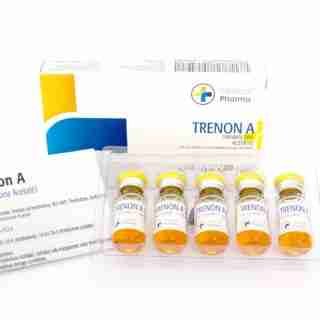
Trenon A 100mg/ml 12 ml vial (Trenbolone Acetate) – Medical Pharma
$103.00Add to cartC20H24O3 = 312.4.
CAS — 10161-33-8 (Trenbolone); 10161-34-9 (Trenbolone Acetate).Pharmacopoeias
USP 31 (Trenbolone Acetate). Solution oily transparent color from light yellow to yellow, with characteristic odor. It should be stored at temperatures of 2° to 8°C for optimal storage conditions.
Trenon A contains: 100mg 100 mg / ml Trenbolone acetate.
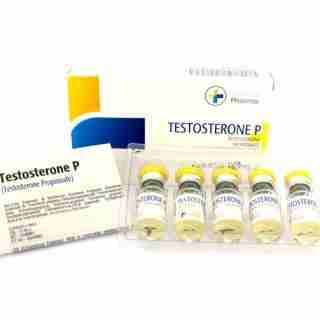
Testesterone P 100mg/ml 12ml vial (Testosterone Propionate) – Medical Pharma
$93.00Add to cartC22H32O3 = 344.5.
CAS — 57-85-2.
ATC — G03BA03.
ATC Vet — QG03BA03.SP 31(Testosterone Propionate). White or creamy-white, odourless, crystals or crystalline powder. Insoluble in water; freely soluble in alcohol, in dioxan, in ether, and in other organic solvents; soluble in vegetable oils. Protect from light.
Testosterone contains: 100mg 100 mg / ml Testosterone Propionate.
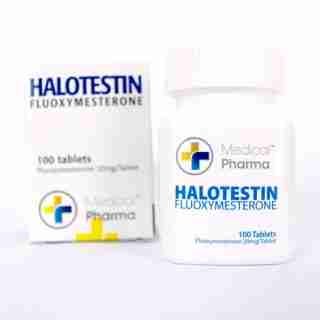
Halotestin (Fluoxymesterone) 20mg/tab 100 tabs – Medical Pharma
$93.00Add to cartHalotestin, Ora-Testryl, Ultandren, others.
Androfluorene; NSC-12165; 9α-Fluoro-11β-hydroxy-17α-methyltestosterone; 9α-Fluoro-17α-methylandrost-4-en-11β,17β-diol-3-one.
Pharmacopoeias. In US. USP 31(Oxandrolone). A white odourless crystalline powder. Soluble 1 in 5200 of water, 1 in 57 of alcohol, 1 in 69 of acetone, 1 in less than 5 of chloroform, and 1 in 860 of ether. Protect from light.