Most Popular steroids USA
-
 Superdrol Rotterdam Pharmaceutical
Original price was: $99.00.$66.00Current price is: $66.00.
-
Testosterone Cypionate Sydgroup 200mg 20ml
Original price was: $110.00.$49.00Current price is: $49.00.
-
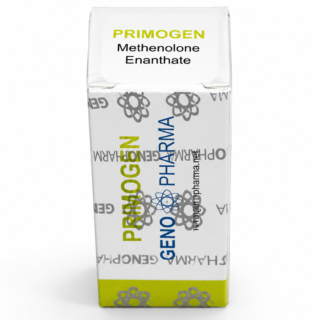
Methenolone Enanthate 100mg 10 ml Geno Pharma
Original price was: $130.00.$115.00Current price is: $115.00.
-
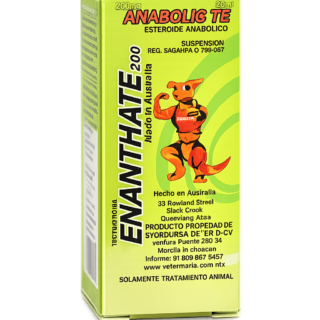
Test Enanthate 200mg 20 ml Sydgroup
Original price was: $110.00.$53.00Current price is: $53.00.
-
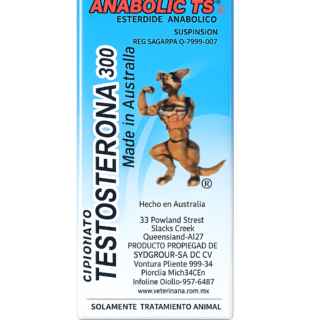
Testosterone Cypionate 300mg 20ml Sydgroup
Original price was: $99.00.$53.00Current price is: $53.00.
-
Somatrox XT Labs 150 IU x 10 vials (15 ui each)
Original price was: $450.00.$350.00Current price is: $350.00.
-
Boldenone Cypionate 200 mg / 10 mL Geno Pharma
Original price was: $90.00.$85.00Current price is: $85.00.
-
Steroid Deca Geno Pharma 300mg 10ml
Original price was: $110.00.$99.00Current price is: $99.00.
-
Eq 300 steroid Rotterdam 10ml
Original price was: $79.00.$69.00Current price is: $69.00.
-
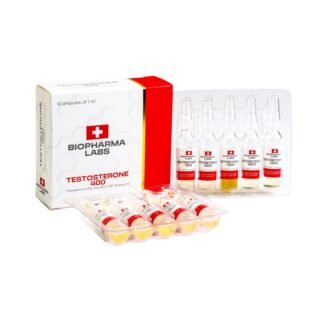
Testosterone 400 Biopharma 10 Ampoules
Original price was: $99.00.$75.00Current price is: $75.00.
-
Testosterone Cypionate 200 Biopharma 10 amp
Original price was: $99.00.$72.00Current price is: $72.00.
-
Buy Testosterone E 300mg 10 ml Geno Pharma Domestic USA/CA
$99.00
-
Testosterone Cypionate Buy 300mg 10ml Geno Pharma
$99.00
-
Buy Anavar 10mg – Purchase Geno Pharma
$99.00




Nanobolde Plus 300 mg – Rotterdam Pharmaceutical
Original price was: $99.00.$69.00Current price is: $69.00.
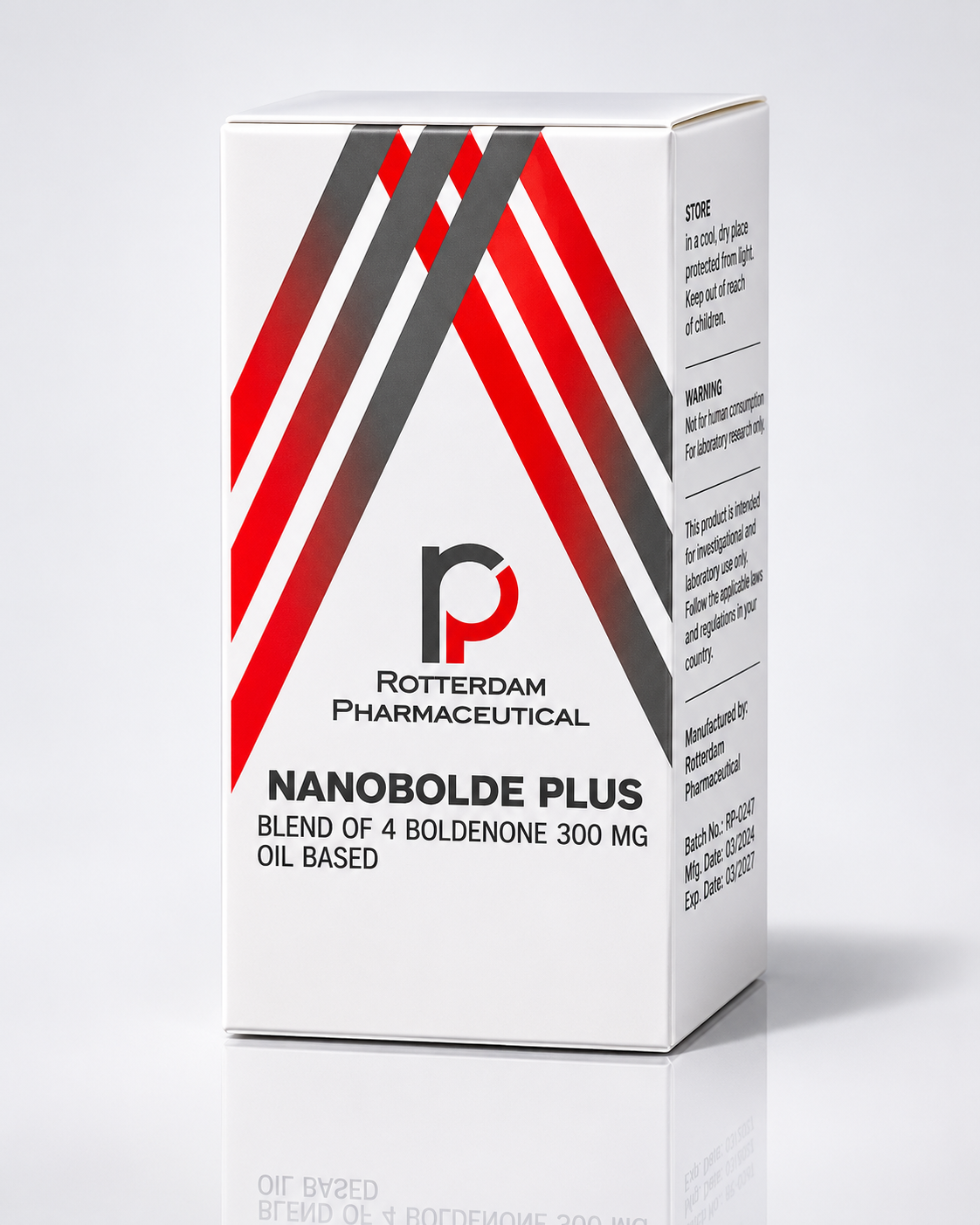
Nanobolde Plus 300 mg/mL by Rotterdam Pharmaceutical is an oil-based anabolic-androgenic steroid formulation combining four boldenone esters: Boldenone Acetate (40 mg), Boldenone Propionate (80 mg), Boldenone Cyclopentylpropionate, also known as Boldenone Cypionate (80 mg), and Boldenone Undecylenate (100 mg). This multi-ester formulation combines short-, medium-, and long-acting derivatives intended to provide different release phases of boldenone. Its specific pharmacokinetic profile has not been clinically validated in humans.
Nanobolde Plus 300 mg – Rotterdam Pharmaceutical: Composition, Pharmacology and Multi-Ester Boldenone Theory
Nanobolde Plus 300 mg, labeled as a product of Rotterdam Pharmaceutical, is described as an oil-based formulation containing four different esters of boldenone: Boldenone Acetate, Boldenone Propionate, Boldenone Cypionate, and Boldenone Undecylenate.
Unlike conventional boldenone undecylenate formulations, the declared composition of Nanobolde Plus incorporates esterified derivatives with different molecular structures and potentially different absorption characteristics.
From a pharmacological perspective, this raises several questions. Could combining four boldenone esters produce multiple overlapping phases of drug release? Would the shorter esters contribute to earlier systemic exposure while the longer esters extend the terminal phase? How would the unknown proportions influence the overall pharmacokinetic behavior of the formulation?
Although these hypotheses are consistent with certain principles of injectable androgen pharmacology, they have not been established through controlled human studies of Nanobolde Plus.
This article examines the reported composition, molecular characteristics, mechanism of action, theoretical pharmacokinetics, potential biological effects, and health risks associated with this multi-ester boldenone formulation.
What Is Nanobolde Plus 300 mg?
Nanobolde Plus is presented as a boldenone multi-ester blend with a declared concentration of 300 mg/mL and a nominal vial volume of 10 mL.
The distinguishing characteristic of the reported formulation is its combination of four esterified derivatives of the same parent hormone. Rather than incorporating four different anabolic steroids, it reportedly contains four chemically modified forms of boldenone.
Once their ester groups are hydrolyzed, these compounds release the same parent androgen.
This distinction is fundamental to understanding Nanobolde Plus pharmacology. Esterification primarily modifies the physicochemical properties and delivery characteristics of a steroid rather than creating an entirely different active hormone.
However, the precise concentrations of the individual esters have not been disclosed in the available product information. Consequently, the actual pharmacokinetic profile, systemic exposure, and duration of action cannot be determined from the reported composition alone.
Boldenone is not approved for human therapeutic use in the United States. Its established regulatory history is primarily associated with veterinary medicine.
History and Development of Boldenone
Boldenone, chemically known as 1,2-dehydrotestosterone, is a synthetic anabolic-androgenic steroid structurally related to testosterone.
Its molecular structure contains an additional double bond between carbon atoms 1 and 2 of the steroid nucleus. This modification distinguishes boldenone from testosterone and influences its biochemical characteristics, metabolism, and interactions with steroid-metabolizing enzymes.
Boldenone has become particularly associated with veterinary formulations containing Boldenone Undecylenate, commonly recognized under the historical trade name Equipoise.
The undecylenate ester was used to produce an oil-soluble androgen formulation with prolonged delivery characteristics.
The veterinary pharmacology of boldenone has been investigated in several animal species, including horses. Research by Soma et al. (2007) examined the systemic disposition of boldenone in horses using analytical methods capable of measuring circulating steroid concentrations.
Although such investigations provide valuable information about veterinary pharmacology, they cannot establish human pharmacokinetic parameters or demonstrate the safety of a four-ester boldenone formulation in humans.
The development of a multi-ester formulation represents a modification of the drug-delivery concept rather than the development of a new parent anabolic steroid.
Nanobolde Plus Chemical Composition
According to the available product information, Rotterdam Pharmaceutical Nanobolde Plus contains the following four boldenone esters.
| Active compound | Individual concentration |
|---|---|
| Boldenone Acetate | 40 mg |
| Boldenone Propionate | 80 mg |
| Boldenone Cypionate (Cyclopentylpropionate) | 80 mg |
| Boldenone Undecylenate | 100 mg |
| Declared combined concentration | 300 mg/mL |
| Nominal vial volume | 10 mL |
| Pharmaceutical vehicle | Oil-based |
The commercial composition information identifies a combined concentration of 300 mg/mL. The photographed packaging identifies a 10 mL vial but does not consistently distinguish the concentration per milliliter from the total vial content.
Consequently, these specifications should be understood as reported label and commercial information rather than independently verified analytical findings.
No reliable documentation establishing the exact milligram quantity of each ester was identified.
It would therefore be scientifically inappropriate to assume an equal distribution of the four compounds or to describe the formulation as containing predetermined quantities of each ester.
Molecular Characteristics of the Four Boldenone Esters
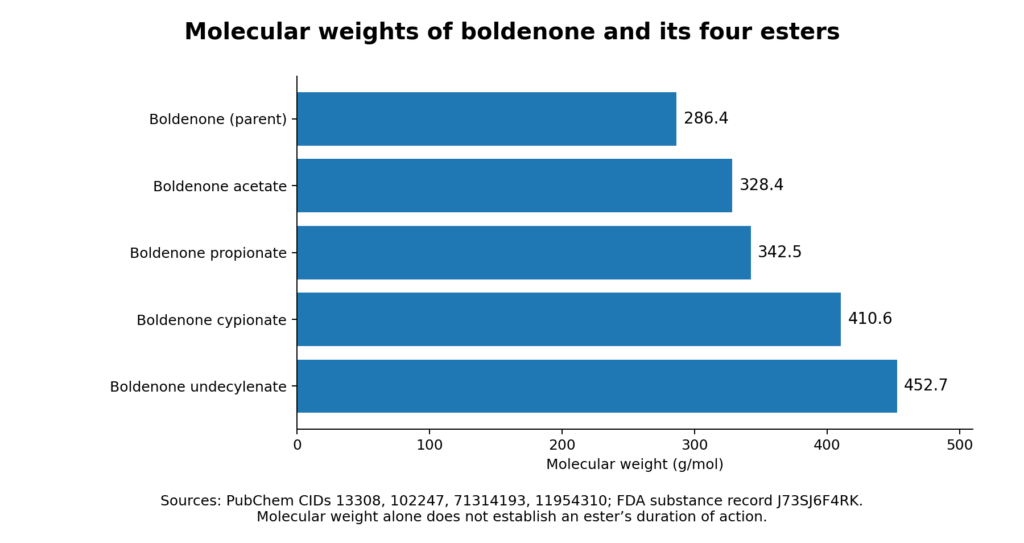
Each ester modifies the molecular weight and physicochemical properties of the parent steroid.
| Compound | Molecular formula | Molecular weight |
|---|---|---|
| Boldenone Base | C19H26O2 | 286.4 g/mol |
| Boldenone Acetate | C21H28O3 | 328.4 g/mol |
| Boldenone Propionate | C22H30O3 | 342.47 g/mol |
| Boldenone Cypionate | C27H38O3 | 410.6 g/mol |
| Boldenone Undecylenate | C30H44O3 | 452.7 g/mol |
Sources: National Center for Biotechnology Information, PubChem; FDA Global Substance Registration System.
Insert Figure 1 here: Molecular Weights of Boldenone and Its Four Esters.
These molecular differences help explain why esterified derivatives may exhibit different delivery characteristics.
Nevertheless, molecular weight alone cannot establish an exact absorption rate or biological half-life. Molecular geometry, lipid solubility, formulation characteristics, enzymatic hydrolysis, and physiological conditions must also be considered.
Understanding Boldenone Esterification
Esterification is a chemical modification in which an acid-derived group is attached to the hydroxyl group of a steroid molecule.
In boldenone esters, this modification occurs at the 17β-hydroxyl position.
The resulting esterified molecule generally exhibits different solubility characteristics from the unmodified parent compound. These differences can influence its distribution between an oil vehicle and the surrounding aqueous biological environment.
For injectable androgen formulations, this relationship is particularly important because the oil vehicle can function as a local drug reservoir.
The esterified androgen must leave this reservoir and undergo hydrolysis before contributing substantially to the circulating concentration of the parent hormone.
Research involving testosterone ester formulations demonstrates how modifications to the ester side chain can influence drug absorption and persistence (Figueiredo et al., 2022).
Although testosterone and boldenone are distinct hormones, these general pharmaceutical principles provide a reasonable foundation for developing hypotheses about boldenone ester pharmacokinetics.
Ester Hydrolysis and Active Boldenone
Following release from an oil-based reservoir, esterified steroids can undergo enzymatic hydrolysis mediated by esterases.
This process separates the ester group from the steroid molecule and restores its free hydroxyl group.
In simplified chemical terms:
Boldenone ester + water → Boldenone base + corresponding acid
Boldenone Acetate, Boldenone Propionate, Boldenone Cypionate, and Boldenone Undecylenate ultimately provide the same parent steroid after complete hydrolysis.
Their potential differences relate primarily to the timing and extent of systemic delivery, not four independent androgen receptor mechanisms.
This is why the presence of four esters should not be interpreted as evidence of four separate anabolic effects or a fourfold increase in pharmacological potency.
Boldenone Acetate: The Short-Ester Component
Boldenone Acetate is the acetate ester of boldenone and has the lowest molecular weight among the four declared components of Nanobolde Plus.
The acetate group is derived from acetic acid and contains two carbon atoms, including the carbonyl carbon.
Its relatively compact molecular structure provides a theoretical basis for expecting different oil-to-water partitioning behavior compared with larger esterified derivatives.
PubChem reports a computed XLogP value of approximately 4.1 for Boldenone Acetate, indicating substantial lipophilicity, although less than the predicted values of the cypionate and undecylenate derivatives.
Theoretical Pharmacokinetic Role of Boldenone Acetate
Within a multi-ester formulation, Boldenone Acetate could hypothetically contribute to an earlier phase of parent-hormone availability.
Under otherwise comparable formulation conditions, its smaller ester group may favor earlier transfer from an oil reservoir relative to more lipophilic derivatives.
Once hydrolysis occurs, the released boldenone would participate in the same systemic androgen signaling pathways as boldenone derived from the other esters.
However, no validated human pharmacokinetic data establish the absorption half-life, peak concentration, or duration of action of the Boldenone Acetate reportedly present in Nanobolde Plus.
Its proposed role remains a structural and pharmaceutical hypothesis.
Boldenone Propionate: An Additional Early-Release Component
Boldenone Propionate is the propionic acid ester of boldenone.
Its molecular weight is approximately 342.47 g/mol, placing it between Boldenone Acetate and Boldenone Cypionate.
The propionate ester incorporates a three-carbon acid-derived group. Its molecular structure is recognized in the FDA substance registry under the identifier J73SJ6F4RK.
Registration of a chemical substance in this database does not imply approval of the substance for human therapeutic use.
Theoretical Pharmacokinetic Role of Boldenone Propionate
Boldenone Propionate could theoretically contribute another relatively early component of systemic boldenone exposure.
Compared with the acetate derivative, the additional carbon atom may influence lipid affinity and transfer between the oil phase and surrounding extracellular fluid.
The difference could result in partially overlapping absorption profiles rather than two sharply separated periods of hormonal activity.
In a theoretical multi-ester system, the acetate and propionate derivatives could both contribute to early exposure while the larger esters remain associated with the depot to varying degrees.
Nevertheless, the behavior of testosterone propionate cannot be directly assigned to Boldenone Propionate.
Differences in parent steroid structure, formulation chemistry, and biological metabolism prevent the reliable transfer of exact half-life estimates between these compounds.
Boldenone Cypionate: Cyclopentylpropionate Ester
Boldenone Cypionate, also known as Boldenone Cyclopentylpropionate, contains a larger ester group incorporating a cyclopentyl ring.
Its molecular formula is C27H38O3, and its molecular weight is approximately 410.6 g/mol.
PubChem reports a computed lipophilicity value of approximately 6.6, suggesting greater lipid affinity than Boldenone Acetate.
The cyclopentylpropionate group differs structurally from the simpler acetate and propionate groups because of its cyclic hydrocarbon component.
Theoretical Pharmacokinetic Role of Boldenone Cypionate
Boldenone Cypionate may hypothetically represent an intermediate-to-prolonged component of the Nanobolde Plus multi-ester blend.
Its larger hydrophobic structure could favor stronger association with an oil reservoir and a different absorption pattern from the shorter esters.
A conceptual model might therefore position Boldenone Cypionate between the earlier contributions of the acetate and propionate derivatives and the potentially prolonged contribution of Boldenone Undecylenate.
However, this proposed ordering is based on chemical characteristics and analogies with established androgen ester formulations.
There is insufficient human evidence to define how much longer Boldenone Cypionate persists than Boldenone Acetate or Boldenone Propionate under comparable experimental conditions.
Boldenone Undecylenate: The Long-Ester Component
Boldenone Undecylenate is the most extensively recognized ester of boldenone, particularly because of its historical veterinary applications.
Its molecular formula is C30H44O3, with a molecular weight of approximately 452.7 g/mol.
The undecylenate ester contains an eleven-carbon acid-derived group with a terminal carbon-carbon double bond.
Its comparatively large hydrophobic structure contributes to high predicted lipid solubility. PubChem reports a computed XLogP value of approximately 8.2.
Among the four declared esters, Boldenone Undecylenate has the highest molecular weight and the highest documented computed lipophilicity value.
Theoretical Pharmacokinetic Role of Boldenone Undecylenate
Within the proposed multi-ester model, Boldenone Undecylenate could contribute to a relatively persistent component of drug release.
Its physicochemical properties provide a plausible explanation for prolonged association with lipid-based formulations.
Veterinary research has documented measurable systemic boldenone exposure following administration of boldenone preparations. However, these findings are specific to the experimental species, formulation, and study conditions.
They do not establish the terminal half-life of Boldenone Undecylenate in humans or the duration of Nanobolde Plus.
The exact contribution of this ester to the combined formulation also depends on its undisclosed quantity.
Boldenone Ester Comparison
The following comparison summarizes the theoretical distinctions between the four esters.
| Ester | Structural characteristic | Theoretical release classification | Human half-life established for Nanobolde Plus? |
|---|---|---|---|
| Boldenone Acetate | Small acetate group | Relatively short | No |
| Boldenone Propionate | Three-carbon acid-derived group | Relatively short | No |
| Boldenone Cypionate | Cyclopentylpropionate group | Intermediate to prolonged | No |
| Boldenone Undecylenate | Eleven-carbon unsaturated ester | Prolonged | No |
These classifications represent chemical and pharmaceutical expectations rather than experimentally established human release intervals.
The actual behavior of a formulated product could differ considerably from these predictions.
Nanobolde Plus Pharmacokinetics: A Theoretical Four-Ester Model
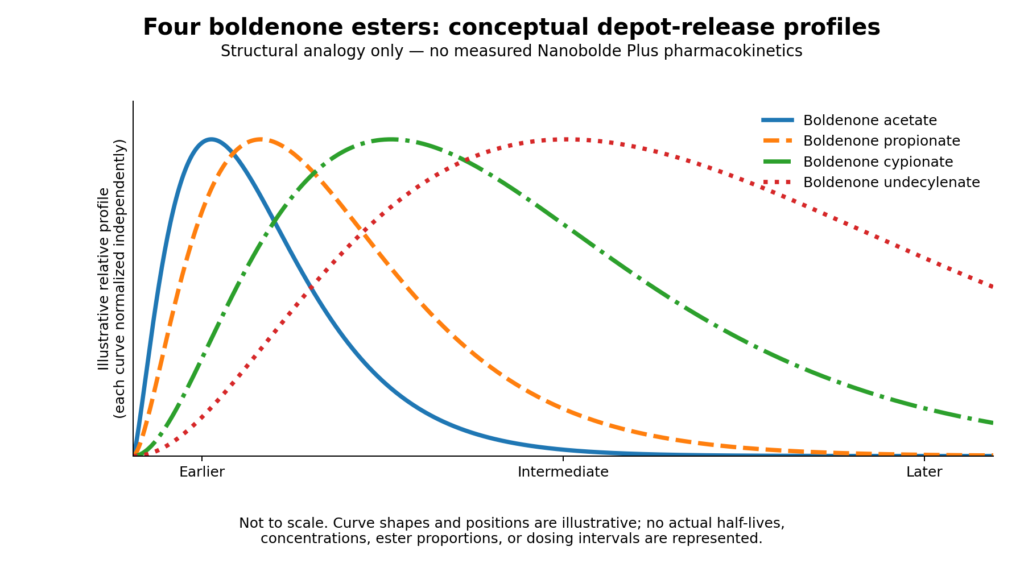
The fundamental hypothesis behind a multi-ester boldenone formulation is that individual esterified derivatives may enter systemic circulation at different rates.
Once hydrolyzed, each component contributes to a common pool of active boldenone.
This creates the possibility of overlapping absorption processes rather than four independent hormonal mechanisms.
Phase One: Earlier Ester Contributions
Under the theoretical model, Boldenone Acetate and Boldenone Propionate could make relatively early contributions to circulating boldenone.
These two derivatives possess smaller ester groups than Boldenone Cypionate and Boldenone Undecylenate.
Their proposed earlier contribution does not establish an immediate anabolic effect. Changes in tissue composition, gene expression, erythropoiesis, and other androgen-dependent processes may occur on different biological timescales.
Phase Two: Overlapping Contributions
As the individual release processes overlap, circulating boldenone may originate simultaneously from multiple esterified derivatives.
Boldenone Cypionate could contribute to this intermediate portion of the hypothetical exposure profile.
Importantly, the different esters would not necessarily release in a strict chronological sequence. The longer esters could begin contributing while the shorter esters remain present.
The resulting systemic profile would reflect the combined behavior of the formulation.
Phase Three: Persistent Ester Contributions
As the earlier contributions diminish, Boldenone Undecylenate and potentially Boldenone Cypionate may continue contributing to systemic exposure.
This could produce a more persistent terminal phase under some formulation conditions.
However, it cannot be assumed that Nanobolde Plus provides consistent concentrations, predictable hormonal stability, or a specific duration of action.
These outcomes require direct experimental measurement.
Insert Figure 2 here: Conceptual Depot-Release Profiles of Four Boldenone Esters.
Figure interpretation: The curves represent hypothetical differences in relative release behavior. Their shapes, amplitudes, and positions are illustrative and do not correspond to measured plasma concentrations, clinical half-lives, or established treatment intervals.
Three Hypothetical Nanobolde Plus Composition Scenarios
Because the quantities of the individual esters remain undisclosed, several scientifically plausible scenarios can be considered.
These scenarios illustrate uncertainty rather than identifying the actual product composition.
Scenario A: Predominance of Shorter Esters
Imagine a theoretical formulation in which Boldenone Acetate and Boldenone Propionate account for a larger proportion of the esterified material.
Under otherwise comparable conditions, earlier release processes could contribute more substantially to the combined exposure profile.
The remaining Boldenone Cypionate and Boldenone Undecylenate components might still provide a persistent contribution.
Such a formulation would not necessarily exhibit more favorable pharmacological properties. A greater early contribution could also introduce more pronounced concentration changes.
Scenario B: Distributed Ester Contributions
A second hypothetical formulation would contain meaningful contributions from all four esterified derivatives.
The absorption processes could overlap across different portions of the exposure profile.
In theory, this might produce a broader composite profile than a formulation dominated by a single ester.
However, the presence of four components does not guarantee stable plasma concentrations. Depending on their formulation characteristics, the combined profile could exhibit substantial fluctuations or overlapping concentration peaks.
Scenario C: Predominance of Longer Esters
A third hypothetical formulation would contain a greater contribution from Boldenone Cypionate and Boldenone Undecylenate.
Under this scenario, prolonged release processes could contribute more substantially to systemic exposure.
The shorter derivatives might still provide an earlier contribution, but their influence would depend on their individual quantities and absorption behavior.
A persistent formulation could also extend unwanted androgen exposure after administration has ceased.
Insert Figure 3 here: Hypothetical Formulation Scenarios and the Importance of Undisclosed Ester Proportions.
None of these scenarios can be confirmed as the actual composition of Nanobolde Plus. They simply illustrate why knowledge of the four ester names is insufficient to predict the complete pharmacokinetic behavior of the product.
Boldenone Ester Half-Life and Flip-Flop Pharmacokinetics
The term half-life is frequently used when discussing injectable anabolic steroids, but it requires careful interpretation.
An absorption half-life describes the rate at which a drug enters systemic circulation. An elimination half-life describes the decline of circulating drug concentrations under defined pharmacokinetic conditions.
For depot formulations, drug absorption may become the rate-limiting process.
When absorption is slower than systemic elimination, the observed terminal concentration decline can primarily reflect continued absorption from the depot. This phenomenon is commonly known as flip-flop pharmacokinetics.
A multi-ester formulation introduces additional complexity because several absorption processes may contribute simultaneously.
A single numerical half-life may therefore fail to describe its complete behavior.
Why the Exact Nanobolde Plus Half-Life Cannot Be Established
Determining the actual pharmacokinetics of Nanobolde Plus would require quantitative information about its composition, formulation characteristics, and experimentally measured systemic concentrations.
Relevant unknowns include the individual ester quantities, oil vehicle, excipient composition, absorption rates, bioavailability, enzymatic hydrolysis, and clearance of the parent hormone.
Human pharmacokinetic studies would also need to establish the maximum plasma concentration, time to maximum concentration, total systemic exposure, and terminal concentration decline.
Without these data, assigning exact half-lives to the individual components or the combined formulation would create a misleading impression of scientific precision.
Ester Molecular Weight and Active Boldenone Base
Another important consideration is the distinction between esterified steroid mass and parent-hormone mass.
A boldenone ester contains both the parent steroid structure and an attached ester group. Consequently, part of the molecular weight of each ester corresponds to the chemical modification rather than active boldenone itself.
Larger ester groups contribute more molecular mass.
The mass of a combined ester formulation should therefore not automatically be interpreted as an identical mass of unesterified boldenone.
Because the individual ester proportions in Nanobolde Plus are unavailable, its exact theoretical boldenone-base equivalent cannot be calculated reliably.
This distinction is particularly relevant when comparing products with different ester compositions and nominal concentrations.
Nanobolde Plus Mechanism of Action
After hydrolysis, boldenone can interact with androgen receptors in androgen-responsive tissues.
The androgen receptor belongs to the nuclear receptor family and functions as a ligand-dependent regulator of gene transcription.
Binding of an androgen can initiate molecular changes that influence the expression of genes associated with tissue growth, metabolism, cellular differentiation, and reproductive physiology.
The biological response depends on multiple factors, including circulating hormone availability, receptor expression, tissue-specific metabolism, and the regulation of downstream signaling pathways.
Skeletal Muscle and Protein Metabolism
Androgen signaling influences skeletal muscle protein metabolism and can affect the regulation of muscle tissue.
These mechanisms help explain the interest in anabolic-androgenic steroids among individuals seeking increases in muscularity and physical strength.
However, the existence of a biological mechanism does not establish the magnitude, safety, or reliability of the effects of Nanobolde Plus in humans.
Controlled research evaluating this specific formulation is lacking.
Endocrine Feedback Mechanisms
Exogenous androgens can interfere with the normal regulatory function of the hypothalamic-pituitary-gonadal axis.
This may decrease the release of gonadotropins, disrupt endogenous testosterone production, and impair reproductive function.
A formulation containing several esterified derivatives may theoretically extend the period during which exogenous androgen exposure affects endocrine feedback.
The actual duration of suppression cannot be determined from the reported ester composition.
Nanobolde Plus vs. Equipoise
One of the most relevant comparisons is between Nanobolde Plus and traditional Boldenone Undecylenate formulations historically associated with Equipoise.
| Characteristic | Nanobolde Plus | Traditional Equipoise |
|---|---|---|
| Parent androgen | Boldenone | Boldenone |
| Declared ester composition | Four esters | Boldenone Undecylenate |
| Delivery concept | Multiple potential release components | Single ester |
| Exact individual ester quantities | Undisclosed | Defined in authorized veterinary formulations |
| Human comparative pharmacokinetic studies | Not identified | No established human therapeutic comparison |
| Potential persistence | Unknown composite profile | Associated with a prolonged ester formulation |
The principal difference concerns the declared pharmaceutical delivery system rather than the identity of the parent androgen.
Nanobolde Plus could theoretically exhibit a different absorption profile, but no comparative clinical evidence establishes superior efficacy, hormonal stability, safety, or predictability.
Nanobolde Plus vs. Boldenone Cypionate
Boldenone Cypionate is a single esterified derivative of boldenone, whereas Nanobolde Plus reportedly contains this derivative together with three additional esters.
A single-ester formulation is conceptually simpler because systemic delivery originates from one principal esterified compound.
A four-ester blend introduces multiple potential absorption processes and additional uncertainty when its composition is not quantitatively documented.
Although these pharmaceutical distinctions are meaningful, they do not establish a clinically superior formulation.
The parent androgen remains boldenone after ester hydrolysis.
Nanobolde Plus vs. Sustanon 250: Comparing Multi-Ester Concepts
Sustanon 250 provides an established example of a pharmaceutical formulation combining four esterified derivatives of a parent hormone.
Unlike Nanobolde Plus, Sustanon contains testosterone rather than boldenone.
Its authorized product information identifies Testosterone Propionate, Testosterone Phenylpropionate, Testosterone Isocaproate, and Testosterone Decanoate as its active esterified components.
The official product documentation specifies their individual quantities and includes pharmacokinetic information.
| Characteristic | Nanobolde Plus | Sustanon 250 |
|---|---|---|
| Parent hormone | Boldenone | Testosterone |
| Number of declared esters | Four | Four |
| Individual quantities disclosed | No | Yes |
| Established human therapeutic indications | None identified | Testosterone replacement in appropriately diagnosed patients |
| Product-specific human pharmacokinetics | Not established | Documented in authorized product information |
The comparison demonstrates that multi-ester drug delivery is an established pharmaceutical concept.
It does not establish that Nanobolde Plus behaves like Sustanon 250. Testosterone and boldenone differ chemically and biologically, and the ester composition and formulation characteristics are also different.
Potential Medical Applications and Limitations
The historical development of anabolic-androgenic steroids has included investigations into conditions involving tissue wasting, anemia, and altered androgen function.
However, evidence supporting the clinical application of one androgen cannot automatically be transferred to another androgen or to an undocumented multi-ester formulation.
Boldenone’s established regulatory background is principally veterinary. In the United States, federal regulations describe veterinary uses of boldenone undecylenate in horses.
Nanobolde Plus has no established human therapeutic indication supported by the sources reviewed for this article.
Its reported pharmaceutical presentation should not be interpreted as confirmation of regulatory authorization, clinical efficacy, or manufacturing quality.
Nanobolde Plus in Bodybuilding and Sports Pharmacology
Interest in boldenone within bodybuilding communities commonly relates to its classification as an anabolic-androgenic steroid and its perceived effects on muscle development, strength, and red blood cell production.
Nevertheless, reports from bodybuilding communities frequently involve multiple substances, uncontrolled exposure, dietary changes, and other variables.
These factors make it difficult to attribute reported outcomes to boldenone alone.
There is also no reliable comparative human evidence demonstrating that combining four boldenone esters increases muscle growth, improves athletic performance, or produces a more favorable safety profile than a single-ester formulation.
Boldenone is prohibited by the World Anti-Doping Agency under the anabolic agents category of the 2026 Prohibited List, both in and out of competition.
Nanobolde Plus Side Effects and Health Risks
The potential adverse effects associated with Nanobolde Plus must be evaluated in the broader context of anabolic-androgenic steroid pharmacology.
Product-specific safety trials are unavailable, meaning that the incidence and severity of individual adverse effects cannot be quantified reliably.
| Physiological system | Potential adverse effects associated with anabolic-androgenic steroids |
|---|---|
| Cardiovascular | Hypertension, adverse cardiac remodeling, cardiovascular disease |
| Hematological | Elevated hemoglobin and hematocrit |
| Endocrine | Suppression of endogenous androgen production |
| Reproductive | Impaired fertility and reproductive dysfunction |
| Dermatological | Acne, oily skin, androgen-associated hair loss |
| Psychological | Mood disturbances, irritability, withdrawal symptoms |
| Renal | Potential kidney dysfunction and indirect cardiovascular stress |
| Injection-related | Infection, inflammation, abscess formation and contamination-related injury |
The presence of multiple esters does not eliminate these risks.
A persistent depot may complicate the management of adverse effects because ongoing drug release can continue after further exposure has stopped.
Nanobolde Plus and Hematocrit
Androgens can influence erythropoiesis, the physiological process responsible for red blood cell production.
Research involving testosterone has identified changes in erythropoietin signaling, hepcidin regulation, and iron utilization as mechanisms contributing to increased hemoglobin and hematocrit (Bachman et al., 2014).
These mechanisms are relevant to understanding the hematological effects of androgen exposure, although they have not been characterized specifically for Nanobolde Plus.
Excessive erythrocytosis may increase blood viscosity and contribute to cardiovascular complications.
The relationship between hematocrit and health outcomes is influenced by other factors, including underlying cardiovascular disease, blood pressure, smoking, sleep apnea, and additional androgen exposure.
A higher red blood cell count should not automatically be interpreted as a beneficial physiological adaptation.
Nanobolde Plus and Cardiovascular Health
Cardiovascular complications represent a particularly important concern associated with nonmedical anabolic-androgenic steroid exposure.
The prospective HAARLEM study evaluated changes in cardiovascular and hematological markers among 100 male androgen users.
During exposure, researchers observed the following average changes from baseline:
| Parameter | Observed average change |
|---|---|
| Systolic blood pressure | +6.87 mmHg |
| Diastolic blood pressure | +3.17 mmHg |
| LDL cholesterol | +0.45 mmol/L |
| Apolipoprotein B | +18.2 mg/dL |
| HDL cholesterol | −0.40 mmol/L |
| Hematocrit | +3 percentage points |
Source: Smit et al. (2022).
These findings describe androgen exposure within the studied population and should not be interpreted as specific predictions for Nanobolde Plus.
More recent research published in Circulation in 2025 identified significant associations between anabolic-androgenic steroid use and serious cardiovascular outcomes, including cardiomyopathy, myocardial infarction, arrhythmias, and heart failure (Windfeld-Mathiasen et al., 2025).
Although observational research cannot eliminate every potential confounding factor, these findings reinforce concerns regarding long-term cardiovascular toxicity.
Normal short-term laboratory results do not establish that prolonged androgen exposure is safe.
Nanobolde Plus and Hormonal Recovery
The suppression of endogenous hormone production can persist beyond the period of noticeable androgen effects.
A scoping review published by Solanki et al. (2023) found substantial variability in physical, psychological, reproductive, and biochemical recovery following anabolic steroid-induced hypogonadism.
Some individuals recover endocrine function over a period of months, whereas others experience prolonged or incomplete recovery.
For a multi-ester formulation with unknown absorption characteristics, the timing of endocrine recovery is particularly difficult to predict.
Persistent drug release, previous androgen exposure, individual physiology, and other substances may influence the recovery process.
Nanobolde Plus in Women
Women may experience significant androgen-related adverse effects following exposure to anabolic-androgenic steroids.
Potential consequences include menstrual irregularities, increased facial or body hair, acne, androgenic alopecia, voice deepening, and clitoral enlargement.
Some virilizing effects may be irreversible.
A formulation containing persistent esterified derivatives introduces an additional concern because systemic exposure may continue after unwanted effects have developed.
There are no established human clinical safety data supporting the use of Nanobolde Plus in women. Androgen exposure is particularly concerning during pregnancy because of the potential for fetal harm.
Pharmacological Interactions and Combined Androgen Exposure
The combined use of multiple anabolic-androgenic steroids can make biological effects and adverse reactions more difficult to interpret.
Overlapping androgen exposure may contribute to endocrine suppression, unfavorable lipid changes, elevated blood pressure, reproductive dysfunction, and hematological abnormalities.
Other medications or substances that influence cardiovascular function, coagulation, or organ metabolism may further complicate the clinical picture.
No formal drug-interaction studies specific to Nanobolde Plus were identified.
Consequently, predictable compatibility with other anabolic steroids or prescription medications cannot be established.
Pharmaceutical Quality and Composition Verification
Product packaging and commercial composition descriptions do not independently establish pharmaceutical quality.
Verification of a multi-ester formulation would require appropriate chemical and microbiological analysis.
Such evaluation would need to establish the identity and quantity of each ester, the accuracy of the total declared concentration, the presence of impurities, and the microbiological quality of the finished preparation.
A systematic review by Magnolini et al. (2022) documented substantial problems involving inaccurate composition and substandard quality in anabolic-androgenic steroids obtained from unregulated markets.
Those findings cannot establish the quality of any particular Nanobolde Plus vial, but they demonstrate why independent analytical verification is important.
Nanobolde Plus Product Specifications
| Specification | Reported information |
|---|---|
| Product name | Nanobolde Plus |
| Brand appearing on packaging | Rotterdam Pharmaceutical |
| Declared concentration | 300 mg/mL in commercial information |
| Nominal vial volume | 10 mL |
| Parent androgen | Boldenone |
| Number of declared esters | Four |
| Boldenone Acetate | 40 mg |
| Boldenone Propionate | 80 mg |
| Boldenone Cypionate | 80 mg |
| Boldenone Undecylenate | 100 mg |
| Formulation | Oil-based |
| Product-specific human pharmacokinetic studies | Not identified |
| Independent analytical verification | Not available for this review |
These specifications summarize the supplied packaging and commercial information and do not constitute independent confirmation of product contents or authenticity.
Frequently Asked Questions About Nanobolde Plus
What are the four esters in Nanobolde Plus?
The available composition information identifies Boldenone Acetate, Boldenone Propionate, Boldenone Cypionate, and Boldenone Undecylenate.
How many milligrams of each boldenone ester does Nanobolde Plus contain?
The individual ester concentrations have not been disclosed in the available product information.
An equal distribution cannot be assumed.
Is Boldenone Cypionate the same as Boldenone Cyclopentylpropionate?
Yes. Cyclopentylpropionate describes the acid-derived ester group associated with Boldenone Cypionate.
What is the half-life of Nanobolde Plus?
No validated product-specific human half-life has been established in the available scientific literature.
The unknown ester proportions and formulation characteristics prevent reliable estimation of its complete pharmacokinetic profile.
Does Nanobolde Plus contain four different anabolic steroids?
Its declared formulation contains four esterified derivatives of the same parent steroid, boldenone.
After complete hydrolysis, the four derivatives release the same parent androgen.
Is Nanobolde Plus the same as Equipoise?
Not according to the reported composition. Traditional Equipoise contains Boldenone Undecylenate, whereas Nanobolde Plus reportedly contains four boldenone esters.
Comparative clinical superiority has not been established.
Does a multi-ester boldenone blend guarantee stable hormone concentrations?
No. Hormone concentrations depend on the actual quantities of the esters, formulation properties, absorption, metabolism, and other physiological variables.
Multiple esters do not inherently guarantee stable systemic exposure.
Can Nanobolde Plus increase hematocrit?
Elevated hematocrit is a recognized concern associated with androgen exposure. However, the specific magnitude of this effect for Nanobolde Plus has not been established.
Is Nanobolde Plus approved for human use?
Boldenone is not approved for human therapeutic use in the United States. No reliable evidence of human therapeutic authorization for this specific product was identified in the sources reviewed.
Conclusion
Nanobolde Plus represents a declared multi-ester formulation of boldenone incorporating Boldenone Acetate, Boldenone Propionate, Boldenone Cypionate, and Boldenone Undecylenate.
From a pharmaceutical perspective, the combination introduces an interesting theoretical question regarding the overlapping release of esterified derivatives with different molecular structures and lipophilic characteristics.
The shorter esters could hypothetically contribute to earlier systemic exposure, while the larger esterified derivatives could contribute to prolonged drug release.
However, these proposed pharmacokinetic relationships remain hypotheses. Without verified individual ester concentrations, analytical testing, and controlled human pharmacokinetic research, the actual behavior of Nanobolde Plus cannot be predicted reliably.
The presence of multiple esters does not establish greater anabolic efficacy, improved hormonal stability, or reduced adverse effects.
Understanding the distinction between chemical plausibility and clinical evidence is essential when evaluating complex androgen formulations.
Scientific References
Anawalt, B. D. (2019). Diagnosis and management of anabolic androgenic steroid use. The Journal of Clinical Endocrinology & Metabolism, 104(7), 2490–2500. https://doi.org/10.1210/jc.2018-01882
Aspen. (2026). Sustanon 250, 250 mg/ml solution for injection: Summary of product characteristics. Electronic Medicines Compendium. https://www.medicines.org.uk/emc/product/5373/smpc
Bachman, E., Travison, T. G., Basaria, S., Davda, M. N., Guo, W., Li, M., Westfall, J. C., Bae, H., Gordeuk, V., & Bhasin, S. (2014). Testosterone induces erythrocytosis via increased erythropoietin and suppressed hepcidin: Evidence for a new erythropoietin/hemoglobin set point. The Journals of Gerontology: Series A, 69(6), 725–735. https://doi.org/10.1093/gerona/glt154
Bond, P., Smit, D. L., & de Ronde, W. (2022). Anabolic-androgenic steroids: How do they work and what are the risks? Frontiers in Endocrinology, 13, 1059473. https://doi.org/10.3389/fendo.2022.1059473
Figueiredo, M. G., Gagliano-Jucá, T., & Basaria, S. (2022). Testosterone therapy with subcutaneous injections: A safe, practical, and reasonable option. The Journal of Clinical Endocrinology & Metabolism, 107(3), 614–626. https://doi.org/10.1210/clinem/dgab772
Magnolini, R., Falcato, L., Cremonesi, A., Schori, D., & Bruggmann, P. (2022). Fake anabolic androgenic steroids on the black market: A systematic review and meta-analysis on qualitative and quantitative analytical results found within the literature. BMC Public Health, 22, 1371. https://doi.org/10.1186/s12889-022-13734-4
National Center for Biotechnology Information. (n.d.). PubChem compound summary for CID 13308: Boldenone. https://pubchem.ncbi.nlm.nih.gov/compound/13308
National Center for Biotechnology Information. (n.d.). PubChem compound summary for CID 102247: Boldenone acetate. https://pubchem.ncbi.nlm.nih.gov/compound/102247
National Center for Biotechnology Information. (n.d.). PubChem compound summary for CID 71314193: Boldenone cypionate. https://pubchem.ncbi.nlm.nih.gov/compound/71314193
National Center for Biotechnology Information. (n.d.). PubChem compound summary for CID 11954310: Boldenone undecylenate. https://pubchem.ncbi.nlm.nih.gov/compound/11954310
Smit, D. L., Grefhorst, A., Buijs, M. M., de Hon, O., den Heijer, M., & de Ronde, W. (2022). Prospective study on blood pressure, lipid metabolism and erythrocytosis during and after androgen abuse. Andrologia, 54(4), e14372. https://doi.org/10.1111/and.14372
Solanki, P., Eu, B., Smith, J., Allan, C., & Lee, K. (2023). Physical, psychological and biochemical recovery from anabolic steroid-induced hypogonadism: A scoping review. Endocrine Connections, 12(12), e230358. https://doi.org/10.1530/EC-23-0358
Soma, L. R., Uboh, C. E., Guan, F., McDonnell, S., & Pack, J. (2007). Pharmacokinetics of boldenone and stanozolol and the results of quantification of anabolic and androgenic steroids in race horses and nonrace horses. Journal of Veterinary Pharmacology and Therapeutics, 30(2), 101–108. https://doi.org/10.1111/j.1365-2885.2007.00824.x
U.S. Food and Drug Administration. (n.d.). Boldenone propionate: Global Substance Registration System, UNII J73SJ6F4RK. https://precision.fda.gov/ginas/app/ui/substances/J73SJ6F4RK
United States Code of Federal Regulations. (n.d.). 21 CFR § 522.204: Boldenone. https://www.law.cornell.edu/cfr/text/21/522.204
Windfeld-Mathiasen, J., Heerfordt, I. M., Dalhoff, K. P., Andersen, J. T., Andersen, M. A., Johansson, K. S., Biering-Sørensen, T., Olsen, F. J., & Horwitz, H. (2025). Cardiovascular disease in anabolic androgenic steroid users. Circulation, 151(12), 828–834. https://doi.org/10.1161/CIRCULATIONAHA.124.071117
World Anti-Doping Agency. (2026). The 2026 prohibited list. https://www.wada-ama.org/
Medical disclaimer: This article is intended for scientific and educational purposes. The theoretical pharmacokinetic models are not clinically validated and should not be interpreted as dosing guidance or medical recommendations.
About the Author
Dr. Alexander M. Roth, PhD, PharmD
Clinical Pharmacologist & Steroid Biochemistry Researcher
Dr. Alexander M. Roth is a clinical pharmacologist and pharmaceutical biochemistry researcher whose areas of specialization include anabolic-androgenic steroids (AAS), steroid ester pharmacokinetics, and advanced hormone delivery systems. He holds a PhD in Pharmaceutical Sciences, specializing in steroid ester metabolism, alongside a Doctor of Pharmacy (PharmD) degree, integrating molecular biochemistry with clinical pharmacological principles.
With more than 15 years of experience investigating injectable androgen formulations, Dr. Roth has extensively examined multi-ester hormone formulations, including Boldenone, Testosterone, and other esterified androgen derivatives. His research interests encompass the relationship between ester molecular structure, lipophilicity, enzymatic hydrolysis, and intramuscular depot kinetics, with particular emphasis on systemic hormone exposure, pharmacological activity, and potential adverse effects.
His academic contributions include discussions surrounding the extrapolation of veterinary pharmacological findings to human physiology, particularly for substances such as Boldenone, for which controlled human clinical evidence remains limited. His areas of interest also include anabolic steroid harm reduction, hypothalamic-pituitary-gonadal axis suppression, cardiovascular complications, and evidence-based risk assessment.
Through his scientific writing, Dr. Roth connects theoretical pharmacology with practical biomedical understanding, presenting complex biochemical and pharmacokinetic concepts in an accessible yet scientifically rigorous manner for healthcare professionals, researchers, and knowledgeable athletes. His approach prioritizes scientific accuracy, evidence-based interpretation, methodological transparency, and the clear distinction between established clinical findings and theoretical pharmacological models.
Related products
Testoviron 250 T Enanthate 250mg 10ml vial – Rotterdam
$65.00Add to cartPRESENTATION: Vial of 10 ml.
EACH ML CONTAINS: 250 Mg. of Testosterone Enanthate.
Laboratory: Rotterdam Pharmaceutical
APPLICATION: Intramuscular injection.
Primobolan 100 Methenolone Enanthate 10ml vial – Rotterdam
$69.00Add to cartPRESENTATION: Vial of 10 ml.
EACH ML CONTAINS: 100 mg of Methelonone Enanthan.
Laboratory: Rotterdam Pharmaceutical.
APPLICATION: Intramuscular injection.
NAME: Primo-100, Primobolan Depot, Primobolan-100.
Rotterdam Mesterolone acetate 25mg 50 tabs
$65.00Add to cartRotterdam Proviron 25mg 50 tabs USA
Description: Rotterdam Proviron 25mg is a top supplement for enhancing muscle mass and athletic performance. Each tablet contains 25mg of Mesterolone, which maintains lean muscle, boosts endurance, and speeds up recovery with minimal testosterone interference.
Key Benefits:
- Enhances muscle mass
- Improves performance
- Maintains lean muscle
- Boosts endurance
- Accelerates recovery
Composition:
- 25mg Mesterolone per tablet
Usage: Ideal for athletes and bodybuilders, especially during cutting cycles.
Manufacturer: Produced by Rotterdam Pharmaceuticals, known for quality supplements.
Choose Rotterdam Proviron 25mg 50 tabs USA for effective muscle and performance enhancement.
Deposteron 250 Testosterone Cypionate 10ml vial – Rotterdam Online Steroids
$65.00Add to cartTESTO CYPIONATE IS THE PERFECT CHOICE FOR BOTH A NEW AND EXPERIENCED USER.
Testosterone Cypionate is a solid platform on which to base any mass building cycle. It is also a very effective and safe hormone and is often prescribed by doctors when testosterone replacement therapy is needed.