
Most Popular steroids USA
-
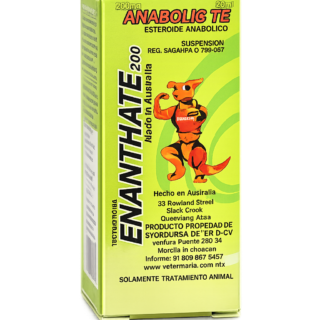
 Test Enanthate 200mg 20 ml Sydgroup
Original price was: $110.00.$53.00Current price is: $53.00.
Test Enanthate 200mg 20 ml Sydgroup
Original price was: $110.00.$53.00Current price is: $53.00. -
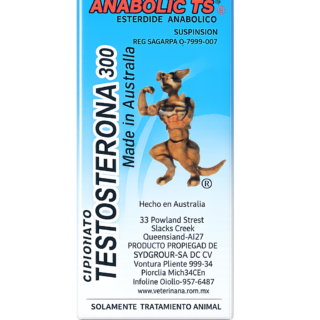
Testosterone Cypionate 300mg 20ml Sydgroup
Original price was: $99.00.$53.00Current price is: $53.00.
-
Somatrox XT Labs 150 IU x 10 vials (15 ui each)
Original price was: $450.00.$350.00Current price is: $350.00.
-
Boldenone Cypionate 200 mg / 10 mL Geno Pharma
Original price was: $90.00.$85.00Current price is: $85.00.
-
Steroid Deca Geno Pharma 300mg 10ml
Original price was: $110.00.$99.00Current price is: $99.00.
-
Eq 300 steroid Rotterdam 10ml
Original price was: $79.00.$69.00Current price is: $69.00.
-
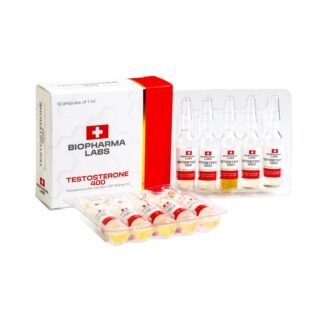
Testosterone 400 Biopharma 10 Ampoules
Original price was: $99.00.$75.00Current price is: $75.00.
-
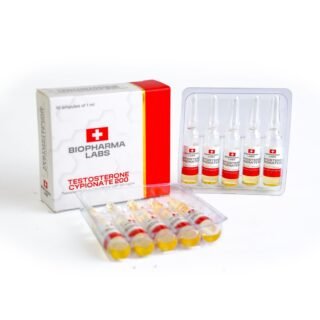
Testosterone Cypionate 200 Biopharma 10 amp
Original price was: $99.00.$72.00Current price is: $72.00.
-
Buy Testosterone E 300mg 10 ml Geno Pharma Domestic USA/CA
$99.00
-
Testosterone Cypionate Buy 300mg 10ml Geno Pharma
$99.00
-
Buy Anavar 10mg – Purchase Geno Pharma
$99.00
-
Anavar for Sale in USA – 10mg 80 Tabs GPH-Premium
Original price was: $110.00.$80.00Current price is: $80.00.
-
NPP Steroid 100mg 10 ml Premium Domestic USA
Original price was: $99.00.$80.00Current price is: $80.00.
-
Primobolan for sale 100mg 10 ml Human Pharma in USA
$115.00









Evidence reviewed through August 8, 2026
Retatrutide side effects reported in clinical trials have been primarily gastrointestinal. Nausea, diarrhea, vomiting, constipation, decreased appetite, and early satiety are the most consistent findings. Most gastrointestinal events were classified as mild to moderate and occurred most often while doses were being increased. However, tolerability varied considerably by dose and trial, and some participants stopped treatment because of adverse events (Jastreboff et al., 2023; Bajaj et al., 2026).
Retatrutide has also produced a less familiar sensory adverse event called dysesthesia, which can involve burning, tingling, tenderness, heightened skin sensitivity, or pain from normally nonpainful contact. Phase 3 rates ranged from 2.3% to 20.9% across publicly disclosed retatrutide groups, although the trials involved different populations, doses, and treatment periods. Phase 2 research additionally identified a dose-dependent rise in heart rate, isolated pancreatic and gallbladder events, and small numbers of kidney, liver, hypersensitivity, injection-site, and cardiac-rhythm events.
These findings require context. Retatrutide remains investigational and does not yet have FDA-approved prescribing information (Eli Lilly and Company, 2026c). Consequently, there is no finalized official list of retatrutide contraindications, warnings, drug interactions, or postmarketing side effects. This guide therefore distinguishes between events observed directly in retatrutide trials, plausible concerns inferred from related incretin medications, and risks that remain unproven.
For a broader explanation of the medication, its three receptor targets, weight-loss results, doses studied, and clinical development program, see our complete retatrutide guide.
Retatrutide Side Effects: The Short Answer
The most common retatrutide side effects identified so far are:
- Nausea
- Diarrhea
- Vomiting
- Constipation
- Decreased appetite
- Early satiety or feeling full unusually quickly
- Dyspepsia or abdominal discomfort
- Fatigue
- Dysesthesia or increased skin sensitivity
- A temporary increase in resting heart rate
Uncommon events observed during the clinical program have included hypersensitivity reactions, injection-site reactions, gallstones or gallbladder inflammation, pancreatic-enzyme elevations, pancreatitis, kidney-related events, liver-enzyme abnormalities, and cardiac arrhythmias. Most of these occurred in too few participants to calculate a stable risk or prove that retatrutide caused them.
Key Safety Takeaways
- Gastrointestinal symptoms are the clearest established tolerability issue. Nausea, diarrhea, vomiting, and constipation appeared repeatedly across Phase 2 and Phase 3 trials.
- Dose and escalation matter. Higher target doses generally produced more gastrointestinal adverse events, and beginning Phase 2 treatment at 2 mg was better tolerated than beginning at 4 mg.
- Dysesthesia is an emerging retatrutide safety signal. It was usually mild or moderate, but the rate reached 20.9% in one 12 mg Phase 3 group.
- Retatrutide increased heart rate in Phase 2. The rise was dose-dependent, peaked around week 24, and then declined, but its long-term significance remains unresolved.
- Serious adverse events have not shown a clear overall excess in the published randomized trials. Those studies were nevertheless too small or too short to rule out uncommon or delayed harms.
- Long-term safety is not yet established. There is no multi-year postmarketing experience and several major cardiovascular, kidney, maintenance, and safety studies remain underway.
What Is Retatrutide and Why Can It Cause Side Effects?
Retatrutide is an investigational, once-weekly injectable molecule that activates three hormone receptors: glucose-dependent insulinotropic polypeptide (GIP), glucagon-like peptide-1 (GLP-1), and glucagon. GLP-1 receptor activity contributes to appetite suppression, satiety, glucose-dependent insulin secretion, and delayed gastric emptying. GIP receptor activity also affects insulin and nutrient signaling, while glucagon receptor activity influences hepatic and energy metabolism.
This combined mechanism may produce substantial metabolic effects, but the same pathways can also affect gastrointestinal function, heart rate, glucose, food intake, and nutritional status. Retatrutide’s safety profile therefore overlaps with existing incretin medications without being identical to them. The additional glucagon-receptor activity and the emerging dysesthesia signal are two reasons direct retatrutide evidence matters more than assuming it will behave exactly like semaglutide or tirzepatide.
How This Guide Evaluates Retatrutide Safety
This article uses the search term “retatrutide side effects” because that is the language most readers use. In a clinical trial, however, investigators generally record treatment-emergent adverse events. An adverse event is any medical occurrence after treatment begins; it does not automatically mean that the study drug caused the event.
Researchers assess causality by examining factors such as:
- Whether an event occurs more often with treatment than with placebo
- Whether frequency or severity increases with dose
- Whether the timing is biologically plausible
- Whether the event improves after dose reduction or discontinuation
- Whether it reappears after treatment is restarted
- Whether alternative explanations are more likely
- Whether the pattern is reproduced across independent trials
For this reason, a single case of pancreatitis is evidence that the event occurred during treatment, but it cannot establish the true incidence of drug-induced pancreatitis. Conversely, repeated dose-related nausea across several randomized trials provides much stronger evidence of a treatment-related effect.
Evidence Levels Used in This Article
| Evidence category | Meaning | Examples in the current retatrutide evidence |
|---|---|---|
| Consistently observed | Repeated across randomized retatrutide trials, often with a dose or placebo difference | Nausea, vomiting, diarrhea, constipation, decreased appetite |
| Emerging signal | A reproducible pattern exists, but mechanism, predictors, or long-term meaning remain uncertain | Dysesthesia, increased resting heart rate |
| Observed but uncommon | Reported in small numbers that cannot define incidence or causality reliably | Pancreatitis, gallbladder events, kidney events, serious arrhythmias |
| Indirect consequence | May result from gastrointestinal symptoms or major weight reduction rather than direct organ toxicity | Dehydration, inadequate nutritional intake, loss of lean mass |
| Unconfirmed or extrapolated | Known with related drugs, biologically plausible, or still being monitored, but not established as a retatrutide-specific risk | Chronic gastroparesis, ileus, thyroid C-cell tumors, retinal complications, aspiration during anesthesia |
Peer-Reviewed Evidence vs. Sponsor-Reported Results
The Phase 2 obesity and type 2 diabetes trials and the TRANSCEND-T2D-1 Phase 3 trial have been published in peer-reviewed journals. By contrast, the detailed TRIUMPH-1, TRIUMPH-2, TRIUMPH-3, and TRIUMPH-4 safety percentages available at the time of this review came primarily from topline results released by Eli Lilly. Those announcements provide valuable late-stage data, but complete journal publications may add adjudication details, subgroup analyses, exposure-adjusted rates, laboratory findings, and longer follow-up.
The core retatrutide trials were also sponsored by Eli Lilly, and several investigators were company employees or shareholders. Funding does not invalidate randomized results, but transparent interpretation requires acknowledging the source and prioritizing complete peer-reviewed reports when they are available.
Retatrutide Clinical Trial Safety Overview
No single percentage represents “the” retatrutide side-effect rate. Trial duration, target dose, starting dose, escalation speed, diabetes status, baseline BMI, age, comorbidities, and event definitions all influence the numbers.
| Trial | Population | Duration | Retatrutide groups | Safety evidence status |
| Phase 2 obesity | 338 adults with obesity or overweight, without diabetes | 48 weeks | 1, 4, 8, or 12 mg | Peer-reviewed |
| Phase 2 type 2 diabetes | 281 adults with type 2 diabetes | 36 weeks | 0.5 to 12 mg; placebo and dulaglutide comparators | Peer-reviewed |
| TRANSCEND-T2D-1 | 537 adults with relatively early type 2 diabetes managed with diet and exercise | 40 weeks | 4, 9, or 12 mg vs. placebo | Peer-reviewed |
| TRIUMPH-4 | 445 adults with obesity or overweight and knee osteoarthritis | 68 weeks | 9 or 12 mg vs. placebo | Sponsor topline results |
| TRIUMPH-1 | 2,339 adults with obesity or overweight without diabetes | 80 weeks, with a subgroup extension | 4, 9, or 12 mg vs. placebo | Sponsor topline results |
| TRIUMPH-2 | 1,152 adults with type 2 diabetes and obesity or overweight | 80 weeks | 4, 9, or 12 mg vs. placebo | Sponsor topline results |
| TRIUMPH-3 | 1,949 adults with severe obesity and established cardiovascular disease, with or without diabetes | 80 weeks | 9 or 12 mg vs. placebo | Sponsor topline results |
The table below summarizes the most frequently disclosed adverse events from completed Phase 3 trials. It should be read horizontally within each study—not as a direct comparison between different studies.
Phase 3 Retatrutide Side-Effect Rates by Trial and Dose
| Trial and group | Nausea | Diarrhea | Vomiting | Constipation | Dysesthesia | Discontinued because of adverse events |
| TRANSCEND-T2D-1: 4 mg | 16.4% | 18.7% | 15.7% | Not highlighted | 4.5% | 2.2% |
| TRANSCEND-T2D-1: 9 mg | 19.5% | 26.3% | 15.0% | Not highlighted | 2.3% | 4.5% |
| TRANSCEND-T2D-1: 12 mg | 26.5% | 22.8% | 17.6% | Not highlighted | 4.4% | 5.1% |
| TRANSCEND-T2D-1: placebo | 3.7% | 4.5% | 2.2% | Not highlighted | 0% | 0% |
| TRIUMPH-1: 4 mg | 28.6% | 25.2% | 10.6% | 23.8% | 5.1% | 4.1% |
| TRIUMPH-1: 9 mg | 38.4% | 34.1% | 22.8% | 25.9% | 12.3% | 6.9% |
| TRIUMPH-1: 12 mg | 42.4% | 32.0% | 25.3% | 26.1% | 12.5% | 11.3% |
| TRIUMPH-1: placebo | 14.8% | 13.5% | 4.8% | 10.9% | 0.9% | 4.9% |
| TRIUMPH-4: 9 mg | 38.1% | 34.7% | 20.4% | 21.8% | 8.8% | 12.2% |
| TRIUMPH-4: 12 mg | 43.2% | 33.1% | 20.9% | 25.0% | 20.9% | 18.2% |
| TRIUMPH-4: placebo | 10.7% | 13.4% | 0% | 8.7% | 0.7% | 4.0% |
| TRIUMPH-2: 4 mg | 13.7% | 27.4% | 5.5% | 14.0% | 4.5% | 3.8% |
| TRIUMPH-2: 9 mg | 20.8% | 33.5% | 10.2% | 16.2% | 5.6% | 11.6% |
| TRIUMPH-2: 12 mg | 28.0% | 33.6% | 15.7% | 16.8% | 7.3% | 7.7% |
| TRIUMPH-2: placebo | 8.0% | 13.2% | 4.2% | 9.4% | 0.7% | 4.9% |
| TRIUMPH-3: 9 mg | 21.7% | 30.1% | Not highlighted | 18.0% | 6.4% | 9.8% |
| TRIUMPH-3: 12 mg | 22.4% | 24.4% | Not highlighted | 15.7% | 6.4% | 13.5% |
| TRIUMPH-3: placebo | 5.8% | 8.7% | Not highlighted | 7.1% | 1.3% | 4.8% |
Sources: Bajaj et al. (2026), Eli Lilly and Company (2025), Eli Lilly and Company (2026a), and Eli Lilly and Company (2026b).
“Not highlighted” does not mean that no events occurred. It means the event was not included among the detailed percentages publicly emphasized in the source used for this table.
Phase 2 Obesity Trial: The Most Detailed Published Safety Table
The 48-week Phase 2 obesity trial remains especially useful because its peer-reviewed report provides adverse-event data for individual starting and target doses. Overall, 82% of retatrutide-treated participants and 70% of placebo participants reported at least one adverse event. Serious adverse events occurred in 4% of both the pooled retatrutide and placebo groups.
Common Events in the Phase 2 Obesity Trial
| Event | Placebo | All retatrutide groups | Retatrutide 12 mg group |
| Any adverse event | 70% | 82% | 92% |
| Nausea | 11% | 27% | 45% |
| Decreased appetite | 9% | 18% | 29% |
| Diarrhea | 11% | 13% | 15% |
| Vomiting | 1% | 10% | 19% |
| Constipation | 3% | 9% | 16% |
| Fatigue | 4% | 7% | 10% |
| Early satiety | 6% | 5% | 10% |
| Increased lipase | 3% | 5% | 8% |
| Adverse event leading to discontinuation | 0% | 8% | 16% |
The starting dose had a visible effect on tolerability. Among participants assigned to a target of 8 mg, nausea occurred in 17% of those who began at 2 mg and 60% of those who began at 4 mg. Vomiting occurred in 6% and 26%, respectively. Although those subgroups were small, the difference supported using a lower starting exposure and gradual escalation in later trials (Jastreboff et al., 2023).
Events of Special Interest in Phase 2
| Event | Placebo | All retatrutide groups | Interpretation |
| Hypersensitivity | 3% | 9% | Broad standardized event grouping; severity and causality varied |
| Hyperesthesia or related sensory event | 1% | 6% | Early evidence of the later dysesthesia signal |
| Cardiac arrhythmia | 3% | 6% | Mostly mild or moderate; one severe prolonged-QT event occurred with concomitant ondansetron |
| Hepatic disorder | 3% | 4% | Mean liver enzymes did not show an adverse group-level pattern |
| Biliary disorder | 0% | 1% | Three events: two cholelithiasis and one cholecystitis |
| Severe gastrointestinal event | 0% | 2% | Concentrated more heavily in the 12 mg group |
| Injection-site reaction | 0% | 2% | Eight events overall |
| Renal event | 1% | 1% | Too few events to infer a treatment effect |
| Major adverse cardiovascular event | 0% | Less than 1% | Two adjudicated events; trial not designed for cardiovascular outcomes |
| Pancreatitis | 0% | Less than 1% | One adjudicated case in the 12 mg group |
One participant receiving retatrutide died from drowning; the site investigator considered the death unrelated to treatment. The trial’s similar overall serious-adverse-event percentages are reassuring, but 338 participants and 48 weeks of treatment cannot rule out rare or delayed outcomes.
Phase 2 and Phase 3 Type 2 Diabetes Safety Findings
In the 36-week Phase 2 type 2 diabetes trial, gastrointestinal adverse events were reported in 35% of pooled retatrutide participants, compared with 13% receiving placebo and 35% receiving dulaglutide. Rates ranged from 13% at 0.5 mg to 50% in the 8 mg fast-escalation group. No deaths or severe hypoglycemic episodes occurred (Rosenstock et al., 2023).
TRANSCEND-T2D-1 provided the first peer-reviewed Phase 3 retatrutide evidence. This 40-week trial randomized 537 adults with relatively early type 2 diabetes to 4, 9, or 12 mg or placebo. Gastrointestinal events were the most frequent adverse events, were generally mild to moderate, and subsided over time. Adverse events caused treatment discontinuation in approximately 2% to 5% of retatrutide participants and none of the placebo group. No severe hypoglycemia was reported. Two deaths occurred in the 4 mg group and were assessed as unrelated to retatrutide (Bajaj et al., 2026).
The diabetes trials cannot be assumed to predict rates in people without diabetes. Baseline glucose control, concurrent medication, body weight, gastrointestinal physiology, and duration of exposure can all affect both reported symptoms and clinical risk.
Gastrointestinal Retatrutide Side Effects
Gastrointestinal adverse events are the dominant tolerability issue in every major retatrutide trial reported so far. This is consistent with GLP-1 receptor activation, but retatrutide’s combined GLP-1, GIP, and glucagon activity means its final safety profile cannot be defined simply by copying the label of an existing GLP-1 medication.
Nausea
Nausea is one of the most common retatrutide side effects. Across publicly disclosed Phase 3 groups, rates ranged from 13.7% to 43.2%. In the Phase 2 obesity study, nausea was strongly influenced by both the target dose and the starting dose.
Nausea may reflect several overlapping effects:
- Slower movement of food out of the stomach
- Increased fullness after smaller meals
- Central appetite and nausea-pathway signaling
- Eating beyond a newly reduced tolerance for meal size
- Rapid increases in exposure during dose escalation
Nausea does not reliably indicate how much weight a person will lose. It is an adverse effect, not a required sign that the medication is “working.”
Diarrhea
Diarrhea appeared in 18.7% to 34.7% of disclosed Phase 3 retatrutide groups. Unlike nausea and vomiting, its frequency did not increase consistently with every dose in every trial. For example, TRIUMPH-3 reported diarrhea in 30.1% of the 9 mg group and 24.4% of the 12 mg group. This illustrates why a biological dose-response should be evaluated across the complete dataset rather than inferred from a single pair of percentages.
Persistent diarrhea matters because it can cause dehydration, electrolyte disturbances, reduced medication absorption, and kidney stress. The risk depends more on severity and duration than on whether one or two loose stools occur.
Vomiting
Vomiting ranged from 5.5% to 25.3% in Phase 3 groups for which percentages were disclosed. The Phase 2 obesity trial showed a particularly large starting-dose difference in the 8 mg groups: 6% with a 2 mg start versus 26% with a 4 mg start.
Repeated vomiting is more clinically important than transient nausea because it can interfere with hydration, nutrition, and the absorption of oral medications. It may also signal a more severe gastrointestinal reaction that requires assessment rather than routine reassurance.
Constipation
Constipation occurred in 14.0% to 26.1% of disclosed Phase 3 groups. Reduced food volume, lower fluid intake, slower gastrointestinal transit, reduced physical activity, and changes in fiber intake may all contribute.
Constipation should not be evaluated by frequency alone. Increasing abdominal distension, persistent pain, inability to pass gas, or repeated vomiting requires a different level of concern than mild, short-lived changes in bowel frequency.
Decreased Appetite and Early Satiety
Decreased appetite is partly an intended pharmacologic effect, but it is recorded as an adverse event when it becomes clinically noticeable or problematic. In the Phase 2 obesity trial, decreased appetite occurred in 18% of pooled retatrutide participants and 29% of the 12 mg group. Early satiety occurred in 5% overall and 10% of the 12 mg group.
Appetite suppression becomes a safety concern when it prevents adequate intake of protein, fluids, essential fats, vitamins, or minerals; contributes to excessive or unwanted weight loss; or worsens frailty and loss of function.
Dyspepsia, Reflux, Fullness, and Abdominal Discomfort
Retatrutide trials have also recorded dyspepsia and other abdominal symptoms, although sponsor summaries usually emphasize nausea, diarrhea, vomiting, and constipation. Slower gastric emptying can increase post-meal fullness and may aggravate reflux-like symptoms in susceptible individuals. At the same time, substantial weight loss can eventually improve some obesity-related reflux. Individual experiences may therefore differ over time.
Why Retatrutide Can Cause Gastrointestinal Symptoms
Retatrutide has been shown to delay gastric emptying in humans. In a randomized mechanistic study, the effect was most evident early in treatment and showed evidence of attenuation with continued exposure, a pattern compatible with tachyphylaxis. Residual effects and individual variability remained relevant, so the finding should not be simplified into a claim that gastric emptying always “returns to normal” after a fixed number of weeks (Urva et al., 2023).
Gastric emptying is only part of the explanation. GLP-1 and GIP receptor activity can alter appetite, meal size, and central responses to food, while glucagon receptor activity adds additional metabolic signaling. Diarrhea and constipation may involve broader changes in intestinal motility and intake rather than one single mechanism.
Do More Gastrointestinal Side Effects Mean More Weight Loss?
No. Higher doses produced both greater average weight reduction and more adverse events in several trials, but this does not mean nausea itself causes or predicts successful treatment. Participants can achieve substantial weight loss without severe gastrointestinal symptoms, while others may have considerable intolerance without an equivalent benefit.
Dose Escalation and Retatrutide Tolerability
The Phase 2 obesity study demonstrated why retatrutide tolerability cannot be separated from dose escalation. Gastrointestinal events occurred mainly during escalation, were more frequent at higher doses, and were partially reduced by starting at 2 mg instead of 4 mg. Later Phase 3 protocols generally began active treatment at 2 mg and increased the assigned dose in steps every four weeks.
This evidence supports a general pharmacologic principle—slower increases can improve gastrointestinal tolerability—but it is not an approved self-dosing schedule. Retatrutide has no finalized commercial instructions for starting, increasing, interrupting, or restarting treatment. Our retatrutide dosage guide examines the research protocols separately from future prescribing recommendations.
The Highest Dose Was Not the Most Tolerable Dose
The 12 mg groups frequently produced the largest average weight reductions, but they also often produced the highest nausea, vomiting, dysesthesia, and discontinuation rates. Examples include:
- TRIUMPH-1: adverse-event discontinuation rose from 4.1% at 4 mg to 11.3% at 12 mg.
- TRIUMPH-4: discontinuation reached 12.2% at 9 mg and 18.2% at 12 mg.
- TRANSCEND-T2D-1: discontinuation increased from 2.2% at 4 mg to 5.1% at 12 mg.
- Phase 2 obesity: 16% of the 12 mg group discontinued because of adverse events.
TRIUMPH-4 also suggested that tolerability can depend on starting body size. Lilly reported lower adverse-event discontinuation rates among participants with a baseline BMI of at least 35 than in the full trial, and some discontinuations reflected participants’ perception that they had lost too much weight. This is an important reminder that efficacy can itself become a tolerability problem when weight loss exceeds an individual’s therapeutic need.
How Often Did Participants Stop Retatrutide Because of Side Effects?
Across completed studies, adverse-event discontinuation ranged from approximately 2% to 18% in active-treatment groups. The variation is meaningful but should not be reduced to a single pooled number.
| Trial | Lowest reported retatrutide discontinuation rate | Highest reported retatrutide discontinuation rate | Placebo |
| Phase 2 obesity | 6% | 16% | 0% |
| TRANSCEND-T2D-1 | 2.2% | 5.1% | 0% |
| TRIUMPH-1 | 4.1% | 11.3% | 4.9% |
| TRIUMPH-2 | 3.8% | 11.6% | 4.9% |
| TRIUMPH-3 | 9.8% | 13.5% | 4.8% |
| TRIUMPH-4 | 12.2% | 18.2% | 4.0% |
Discontinuation is a useful real-world-oriented endpoint because it integrates frequency, severity, persistence, patient preference, efficacy, and trial rules. Still, it does not reveal exactly why every participant stopped or whether a lower dose would have been acceptable.
Retatrutide Dysesthesia and Skin Sensitivity
Dysesthesia is the most distinctive emerging adverse event in the retatrutide program. It refers to abnormal or unpleasant sensation rather than one specific diagnosis. Descriptions can include:
- Burning or stinging
- Tingling or “pins and needles”
- Heightened sensitivity to clothing or light touch
- Tender or painful skin without a visible rash
- Electric, crawling, cold, or numb sensations
- Allodynia, in which normally harmless contact becomes painful
- Hyperesthesia, or an exaggerated response to sensory stimulation
The terminology has evolved during development. The Phase 2 obesity report used “cutaneous hyperesthesia and skin sensitivity” in its narrative and a broader “hyperesthesia or related adverse event” grouping in its table. Later Phase 3 releases generally used dysesthesia, which may combine several related Medical Dictionary for Regulatory Activities terms. This difference in grouping is one reason percentages from different trials should not be treated as perfectly interchangeable.
How Common Was Dysesthesia With Retatrutide?
| Trial | Retatrutide rates | Placebo rate |
| Phase 2 obesity | Approximately 6%–7% overall; up to 13%–14% in selected higher-dose groups, depending on event grouping | 1% |
| TRANSCEND-T2D-1 | 2.3%–4.5% | 0% |
| TRIUMPH-1 | 5.1% at 4 mg; 12.3% at 9 mg; 12.5% at 12 mg | 0.9% |
| TRIUMPH-2 | 4.5% at 4 mg; 5.6% at 9 mg; 7.3% at 12 mg | 0.7% |
| TRIUMPH-3 | 6.4% at both 9 and 12 mg | 1.3% |
| TRIUMPH-4 | 8.8% at 9 mg; 20.9% at 12 mg | 0.7% |
In Phase 2, the sensory events were not severe or serious, did not produce visible skin findings, and did not cause treatment discontinuation. Lilly described the Phase 3 events as generally mild to moderate; most reportedly resolved, and most affected participants continued treatment (Jastreboff et al., 2023; Eli Lilly and Company, 2025; Eli Lilly and Company, 2026a).
What Causes Retatrutide Dysesthesia?
The mechanism is unknown. Current evidence does not establish whether it results from direct receptor signaling, changes in peripheral nerve processing, rapid loss of subcutaneous tissue, nutritional changes, altered temperature perception, or another process. The Phase 2 investigators reported that skin-sensation events did not appear to track simply with the amount or speed of weight loss, arguing against treating tissue loss as a complete explanation.
The inconsistent dose pattern also deserves caution. TRIUMPH-4 showed a large difference between 9 and 12 mg, whereas TRIUMPH-3 reported the same 6.4% rate at both doses. A true dose effect may exist, but population characteristics and event classification could also influence the observed rates.
How Long Does Retatrutide Skin Sensitivity Last?
No peer-reviewed study has published a reliable median duration. Sponsor summaries state that most Phase 3 dysesthesia events resolved during treatment, but they do not establish that every case follows the same timeline. Claims that the symptom always ends within a precise number of days or weeks are not supported by the available retatrutide evidence.
New focal weakness, facial drooping, loss of coordination, severe numbness, rapidly progressive pain, a blistering rash, or symptoms affecting only one side of the body should not automatically be attributed to dysesthesia; those findings warrant medical assessment for other neurologic or dermatologic causes.
Retatrutide and Increased Heart Rate
The Phase 2 obesity trial found a dose-dependent increase in heart rate through week 24, followed by a decline at weeks 36 and 48. The study was not large or long enough to determine whether this transient average change has important long-term cardiovascular consequences.
A higher resting pulse is not the same outcome as an arrhythmia, heart attack, stroke, or cardiovascular death. It is nevertheless clinically relevant because persistent tachycardia can matter more in people with preexisting rhythm disorders, autonomic dysfunction, structural heart disease, anemia, thyroid disease, dehydration, or medications that also raise heart rate.
Palpitations and Cardiac Arrhythmias
In Phase 2, the broad cardiac-arrhythmia grouping occurred in 6% of pooled retatrutide participants and 3% of placebo participants. Most reported arrhythmias were mild or moderate. One severe prolonged-QT event occurred in a participant who was also treated with ondansetron, a medication that can itself prolong the QT interval. That case therefore cannot be interpreted as proof that retatrutide alone caused the event (Jastreboff et al., 2023).
Symptoms such as a brief awareness of heartbeat are not equivalent to a documented rhythm abnormality. Persistent racing at rest, fainting, chest pressure, marked shortness of breath, or an irregular pulse requires clinical evaluation rather than assumption.
What Do the Phase 3 Cardiovascular Results Show?
TRIUMPH-3 enrolled adults with severe obesity and established cardiovascular disease, making it more informative than an uncomplicated obesity trial. In sponsor-reported analyses, the hazard ratio for a five-component major cardiovascular endpoint was 0.82 (95% confidence interval, 0.55–1.22), while the three-component endpoint had a hazard ratio of 1.12 (95% CI, 0.64–1.96). Both confidence intervals crossed 1.0, so neither a cardiovascular benefit nor harm was established (Eli Lilly and Company, 2026b).
Those preliminary results should not be described as proof that retatrutide protects the heart or increases heart attacks. A dedicated, longer cardiovascular and kidney outcomes study is needed to answer that question with adequate event numbers (ClinicalTrials.gov, n.d.-b).
Does Retatrutide Cause Low Blood Sugar?
Retatrutide’s insulin-stimulating activity is glucose-dependent, meaning it becomes weaker as blood glucose falls. This helps explain why clinically significant hypoglycemia was not reported in the Phase 2 obesity trial and why no severe hypoglycemia occurred in the published Phase 2 or Phase 3 monotherapy diabetes trials.
The low observed risk does not apply automatically to every future treatment setting. TRANSCEND-T2D-1 studied retatrutide in people whose diabetes was managed with diet and exercise rather than insulin or sulfonylureas. If retatrutide is eventually combined with medications that can independently cause hypoglycemia, the risk may be different. Future prescribing information would need to define glucose-monitoring and dose-adjustment recommendations for combination therapy.
Symptoms potentially compatible with hypoglycemia include sweating, tremor, confusion, weakness, blurred vision, hunger, dizziness, and palpitations. Those symptoms are nonspecific and require glucose measurement when possible rather than diagnosis based on sensation alone.
Serious and Uncommon Retatrutide Side Effects
The most important limitation of the safety database is statistical. Common nausea becomes visible in a trial of several hundred participants; an event occurring once per 5,000 or 20,000 person-years may not. Serious-event percentages therefore need both a numerator and enough exposure time.
Pancreatic Enzymes and Pancreatitis
Asymptomatic amylase and lipase increases occurred in the Phase 2 obesity trial. Increased lipase was reported in 5% of pooled retatrutide participants and 3% of placebo participants. One person in the 12 mg group developed adjudicated acute pancreatitis, representing less than 1% of all retatrutide-treated participants.
One event establishes that pancreatitis occurred during exposure; it does not establish a stable incidence rate or prove causation. Pancreatitis also has other potential contributors, including gallstones, alcohol use, severe hypertriglyceridemia, certain medications, and prior pancreatic disease.
An isolated enzyme elevation is not synonymous with pancreatitis. Clinical diagnosis generally requires compatible persistent abdominal pain, sufficiently elevated enzymes, imaging findings, or a combination of these. Severe upper-abdominal pain that persists or radiates to the back—especially with repeated vomiting—requires prompt medical assessment.
Gallstones and Gallbladder Inflammation
The Phase 2 obesity trial reported three biliary events among retatrutide participants: two cases of cholelithiasis and one of cholecystitis. No biliary events occurred in the placebo group, but the numbers were far too small for a reliable estimate.
Substantial and rapid weight reduction itself can increase gallstone risk. A future regulatory analysis will need to separate the contribution of weight-loss magnitude from any direct effect on gallbladder motility. Symptoms that can suggest gallbladder disease include persistent right-upper-abdominal pain, fever, jaundice, clay-colored stools, or pain after meals.
Dehydration and Kidney-Related Events
Renal events occurred in approximately 1% of both pooled retatrutide and placebo participants in Phase 2. This does not demonstrate direct kidney toxicity. The clearer short-term mechanism of concern is volume depletion: persistent vomiting or diarrhea, combined with reduced food and fluid intake, can lower circulating volume and temporarily impair kidney function.
Risk may be more consequential in people with chronic kidney disease, older adults, or those using diuretics and other medications that affect blood pressure or renal blood flow. At the same time, weight loss and improved metabolic control could produce longer-term kidney benefits. Acute dehydration risk and potential chronic benefit are different questions and should not be conflated.
Warning signs include very low urine output, inability to keep fluids down, marked dizziness when standing, confusion, fainting, or persistent vomiting and diarrhea.
Liver Enzymes and Hepatic Events
Transient alanine aminotransferase elevations greater than three times the upper limit of normal occurred in about 1% of retatrutide participants in Phase 2. Mean ALT and AST values were unchanged or lower at week 48. The broad hepatic-disorder grouping appeared in 4% of retatrutide participants and 3% of placebo participants.
Those group-level findings do not suggest a clear pattern of progressive liver toxicity, and retatrutide has produced substantial liver-fat reductions in metabolic liver-disease research. However, improved average liver markers cannot exclude uncommon individual reactions or biliary obstruction. Jaundice, dark urine, pale stools, severe itching, or persistent right-upper-abdominal pain warrants evaluation.
Hypersensitivity and Injection-Site Reactions
The Phase 2 standardized hypersensitivity grouping occurred in 9% of pooled retatrutide participants and 3% of placebo participants. This broad category does not mean 9% experienced anaphylaxis; it can include less severe allergic-type events. Injection-site reactions occurred in 2% overall and 8% of the 12 mg group.
The published trial did not identify a dominant pattern of severe allergic reactions, but uncommon anaphylaxis cannot be ruled out before broader exposure. Facial, tongue, or throat swelling; breathing difficulty; fainting; or a rapidly spreading allergic reaction requires emergency care.
Antidrug Antibodies
Antidrug antibodies were detected during treatment in approximately 9% of Phase 2 retatrutide participants, with variation among dose groups. Detection means the immune system recognized the molecule; it does not automatically mean that treatment stopped working or caused an allergic reaction. The public evidence has not established a clinically important effect on efficacy, pharmacokinetics, or serious hypersensitivity. Larger datasets are needed to characterize neutralizing antibodies and their clinical relevance.
Urinary Tract Infections
Urinary tract infections appeared in several Phase 3 summaries, but the pattern was inconsistent:
- TRIUMPH-1: 7.5%, 8.8%, and 8.4% with 4, 9, and 12 mg versus 5.3% with placebo.
- TRANSCEND-T2D-1: 0.7%, 1.5%, and 2.9% versus 0%.
- TRIUMPH-2: 3.8%, 6.3%, and 8.0% versus 6.6%.
- TRIUMPH-3: 6.1% and 7.0% versus 5.3%.
These results do not show a consistent dose-response across all populations. Diabetes status, sex distribution, hydration, chance, diagnostic practices, and other factors could influence the rates. Urinary tract infection should therefore be described as an observed event under evaluation, not a proven direct pharmacologic effect.
Serious Adverse Events and Deaths
Serious adverse events occurred in 4% of both pooled retatrutide and placebo participants in the Phase 2 obesity trial. One retatrutide participant died from drowning, which the investigator assessed as unrelated. In TRANSCEND-T2D-1, two deaths occurred in the 4 mg group, and both were considered unrelated to treatment.
Similar short-term serious-event percentages are reassuring, but they do not prove long-term safety. Rare cancers, delayed cardiovascular outcomes, uncommon severe gastrointestinal complications, and pregnancy outcomes require larger populations and longer observation.
Retatrutide, Lean Mass, and Muscle Loss
Weight loss is not composed exclusively of body fat. A reduction in total mass usually includes fat, water, glycogen, connective tissue, organ mass, and some skeletal muscle. DXA-measured lean mass includes many nonfat tissues and is not identical to functional muscle.
A Phase 2 body-composition substudy evaluated 189 randomized participants with type 2 diabetes; 103 had paired baseline and week-36 DXA measurements. Retatrutide reduced total fat mass by as much as 26.1%. The investigators concluded that the proportion of lean-mass loss relative to total weight loss was comparable with other obesity treatments rather than disproportionately high (Coskun et al., 2025).
That conclusion is reassuring but limited. “Not disproportionate” does not mean no muscle was lost. When total weight loss is very large, even a conventional proportion can represent a clinically meaningful absolute amount of lean tissue.
Who May Be More Vulnerable to Functional Loss?
Potentially vulnerable groups include:
- Older adults
- People who already have sarcopenia or frailty
- Individuals with very low protein or total calorie intake
- People with limited mobility or prolonged inactivity
- Patients recovering from major illness or surgery
- People who lose weight extremely rapidly
- Individuals whose work or sport depends heavily on strength and power
The retatrutide body-composition substudy did not provide a complete answer about strength, physical performance, falls, bone health, or multi-year function. Those outcomes matter more clinically than a DXA number alone.
Fatigue, Hair Loss, and Nutritional Effects
Fatigue occurred in 7% of pooled retatrutide participants and 4% of placebo participants in the Phase 2 obesity study. It can reflect the medication, reduced calorie intake, dehydration, sleep changes, illness, anemia, or other causes.
Hair loss has not been a consistently highlighted retatrutide adverse event in published trial reports. Semaglutide and tirzepatide labels include hair loss in their clinical-trial adverse-reaction tables, and rapid weight reduction itself can trigger temporary hair shedding. It would therefore be premature to assign a precise retatrutide hair-loss rate or describe it as a confirmed direct receptor effect (U.S. Food and Drug Administration, 2026b; U.S. Food and Drug Administration, 2026c).
Large appetite reductions may make adequate intake of protein, fluids, essential fats, fiber, vitamins, and minerals difficult. Nutritional adequacy and functional status should not be judged by body weight alone.
How Long Do Retatrutide Side Effects Last?
There is no evidence-based universal timeline. The most defensible answer is that gastrointestinal symptoms occurred most frequently during dose escalation and often decreased with time, but duration varied among participants and events.
What the Trials Actually Show
- Phase 2 gastrointestinal events occurred primarily while doses were being increased.
- Lower starting exposure partially reduced gastrointestinal events.
- TRANSCEND-T2D-1 reported that its most frequent gastrointestinal events subsided over time.
- Phase 3 sponsor reports stated that most dysesthesia events resolved during continued treatment.
- Adverse-event discontinuation shows that symptoms did not become acceptable for everyone.
The trials did not establish that nausea always ends after a particular number of weeks, that dysesthesia has a fixed duration, or that everyone becomes symptom-free by a specific month. Exact timelines sometimes repeated online should be treated cautiously unless they are tied to a published time-to-resolution analysis.
Can Side Effects Return After a Dose Increase?
Yes, a symptom that improved at a stable exposure could recur when exposure increases. This is biologically plausible and consistent with the concentration of gastrointestinal events during escalation. The public reports do not provide a precise probability for recurrence after every step.
How Long Can Effects Continue After Stopping?
Retatrutide is a long-acting weekly molecule, so pharmacologic exposure does not disappear immediately after the final injection. However, no published study has defined a reliable symptom-resolution schedule after discontinuation for each adverse event. Duration can depend on dose, time on treatment, the symptom’s cause, hydration and nutritional status, other medications, and individual clearance.
Persistent or worsening symptoms after discontinuation should not automatically be attributed to residual retatrutide; other diagnoses may need evaluation.
Retatrutide Long-Term Side Effects: What Is Known and Unknown
As of August 2026, the main completed Phase 3 treatment periods have provided approximately 40 to 80 weeks of controlled evidence, with longer follow-up available for selected groups. That is not equivalent to five, ten, or twenty years of treatment and postmarketing surveillance.
Thyroid Tumors and Medullary Thyroid Cancer
No medullary thyroid cancer or C-cell hyperplasia was reported in the 338-participant Phase 2 obesity trial. This is reassuring but statistically incapable of excluding a rare cancer risk.
Semaglutide and tirzepatide have FDA boxed warnings for thyroid C-cell tumors based on rodent findings; whether those findings translate to humans remains uncertain. Retatrutide has no approved label, so it is inaccurate to claim that it already carries an official boxed warning or finalized thyroid contraindication. It is equally inaccurate to claim that thyroid risk has been disproven. The correct conclusion is that a retatrutide-specific human risk has not been established and long-term regulatory assessment remains necessary (U.S. Food and Drug Administration, 2026b; U.S. Food and Drug Administration, 2026c).
Gastroparesis, Ileus, and Severe Gastrointestinal Motility Disorders
Retatrutide delays gastric emptying, which provides a plausible mechanism for fullness, nausea, and vomiting. The clinical program has not yet established the incidence of persistent drug-induced gastroparesis, intestinal obstruction, or ileus.
Approved semaglutide and tirzepatide labels warn about severe gastrointestinal reactions and state that the drugs are not recommended in severe gastroparesis. Those warnings help define issues researchers and regulators should examine, but they are not automatically an approved retatrutide warning. Direct retatrutide data remain the higher-priority evidence.
Surgery, Sedation, and Pulmonary Aspiration
Delayed gastric emptying can leave residual stomach contents despite fasting, creating a plausible concern during general anesthesia or deep sedation. Current semaglutide and tirzepatide prescribing information contains warnings about rare pulmonary aspiration reports. A retatrutide-specific incidence has not been established. Anyone receiving retatrutide through a study or expanded-access protocol should inform the responsible clinical and anesthesia teams before a procedure rather than independently deciding how long to withhold treatment.
Depression, Apathy, and Suicidal Thoughts
The Phase 2 obesity trial recorded one event of major depression or suicidal ideation in the placebo group and none in the retatrutide groups. Public reports have not identified apathy or emotional blunting as a consistent retatrutide adverse-event signal.
In 2026, the FDA requested removal of suicidal-behavior and ideation warnings from the labels of weight-management GLP-1 medications after a meta-analysis of 91 placebo-controlled trials involving 107,910 participants found no increased risk of suicidal behavior, ideation, or other evaluated psychiatric events. This broader class review is reassuring, although it is not a substitute for long-term retatrutide-specific monitoring (U.S. Food and Drug Administration, 2026a).
New or worsening depression, suicidal thoughts, mania, psychosis, or major behavioral changes always deserve clinical attention regardless of whether a medication has a proven causal relationship.
Eye and Retinal Safety
Retatrutide trials have not established a specific diabetic-retinopathy or optic-nerve safety signal. Nevertheless, rapid improvement in glucose can temporarily worsen diabetic retinopathy in some settings, and semaglutide labeling includes a retinopathy precaution for people with type 2 diabetes. Until larger diabetes studies and regulatory reviews are complete, it is more accurate to describe eye risk as an area requiring monitoring than as a confirmed retatrutide side effect.
Sudden vision loss, a curtain-like visual defect, new flashes or floaters, or a major change in visual acuity requires urgent eye assessment.
Pregnancy, Breastfeeding, and Reproductive Safety
Pregnant and breastfeeding people have generally not been the target population of retatrutide efficacy trials, and adequate human pregnancy-outcome data are unavailable. There is no approved retatrutide washout period, contraception instruction, or breastfeeding recommendation. Instructions for semaglutide or tirzepatide should not be copied and presented as official retatrutide guidance.
Bone Health and Frailty
Major weight loss can reduce mechanical loading and may affect bone and muscle, particularly in older or frail adults. The completed retatrutide studies have not established multi-year fracture risk or whether changes in bone density differ from other forms of weight loss. Body weight, body composition, strength, balance, nutritional status, and bone health should be treated as related but distinct outcomes.
Cancer and Other Rare Delayed Events
There is currently no human evidence that retatrutide causes cancer, but the observation period is too short to exclude uncommon cancers with long latency. The same limitation applies to rare immune, neurologic, pancreatic, or cardiovascular outcomes. Absence of a signal in several thousand trial participants is not the same as proof of zero risk.
Retatrutide vs. Semaglutide and Tirzepatide Side Effects
Retatrutide, semaglutide, and tirzepatide all activate the GLP-1 receptor, so gastrointestinal overlap is expected. Retatrutide also activates GIP and glucagon receptors, while tirzepatide activates GIP and GLP-1 receptors and semaglutide activates GLP-1 receptors alone.
The table below provides context, not a head-to-head ranking. Retatrutide ranges combine different Phase 3 populations and doses; semaglutide and tirzepatide figures come from pooled FDA-label weight-management trials.
| Event | Retatrutide disclosed Phase 3 range | Semaglutide 2.4 mg | Tirzepatide 5–15 mg range |
| Nausea | 13.7%–43.2% | 44% | 25%–29% |
| Diarrhea | 18.7%–34.7% | 30% | 19%–23% |
| Vomiting | 5.5%–25.3% | 24% | 8%–13% |
| Constipation | 14.0%–26.1% among disclosed groups | 24% | 11%–17% |
| Dysesthesia | 2.3%–20.9% | Not listed among common label reactions | Not listed among common label reactions |
Sources: retatrutide Phase 3 reports cited above; current Wegovy prescribing information and Zepbound prescribing information.
Is Retatrutide Harder to Tolerate?
The evidence does not support one universal answer. Some retatrutide groups had gastrointestinal rates similar to semaglutide label rates; others were lower or higher depending on the symptom, dose, and population. Retatrutide’s dysesthesia signal appears more prominent than in the common adverse-reaction tables for semaglutide or tirzepatide.
Cross-trial percentages cannot establish which medication an individual will tolerate best. A true comparison requires randomization within the same protocol, consistent event collection, similar escalation, and equivalent populations. A direct retatrutide-versus-tirzepatide trial is underway, but definitive comparative safety results were not available at the evidence cutoff for this article (ClinicalTrials.gov, n.d.-a).
Do Semaglutide and Tirzepatide Warnings Automatically Apply to Retatrutide?
No. Related pharmacology makes their labels scientifically relevant, but a warning from another drug is not automatically a confirmed retatrutide warning. The appropriate approach is to label it clearly as a class-related or theoretical concern until direct evidence or regulators establish otherwise.
Who May Require Extra Safety Assessment?
Retatrutide does not yet have an official contraindication list. Clinical trials use eligibility criteria to protect participants and create interpretable data, but exclusion from a trial is not identical to a future commercial contraindication.
If retatrutide is approved, individualized assessment may be particularly important for people with:
- A history of pancreatitis or significant pancreatic disease
- Symptomatic gallstones or prior gallbladder complications
- Severe gastrointestinal motility disease or suspected gastroparesis
- Recurrent vomiting, chronic diarrhea, or high dehydration risk
- Chronic kidney disease or medications that increase volume-depletion risk
- Resting tachycardia, significant arrhythmias, prolonged QT, or unstable cardiovascular disease
- Preexisting diabetic retinopathy with rapidly changing glucose control
- Frailty, sarcopenia, or high risk of malnutrition
- Pregnancy, planned pregnancy, or breastfeeding
- A history relevant to thyroid C-cell tumors or MEN2, pending future regulatory guidance
- Previous serious hypersensitivity to related injectable therapies
This list identifies unresolved assessment areas; it is not an approved retatrutide prescribing rule.
Managing Gastrointestinal Side Effects
There are no FDA-approved retatrutide-specific side-effect instructions. General expert recommendations developed for GLP-1 receptor agonists emphasize gradual escalation under clinical supervision, smaller meals, stopping when comfortably full, avoiding unusually large or high-fat meals during symptomatic periods, and maintaining fluid intake (Gorgojo-Martínez et al., 2023).
General measures that a supervising clinical team may consider include:
- Eating smaller portions more slowly
- Stopping at the first clear sensation of fullness
- Choosing simple, lower-fat foods while nausea is active
- Separating large fluid volumes from meals if fullness is problematic while still meeting hydration needs
- Avoiding heavy meals shortly before lying down
- Monitoring fluid intake during vomiting or diarrhea
- Reviewing other medications that can worsen nausea, constipation, dehydration, or delayed gastric emptying
- Assessing whether symptoms appeared after an escalation step
Trial participants should report symptoms to the research team and follow the protocol rather than changing, skipping, splitting, or restarting doses independently. Antiemetics, laxatives, antidiarrheals, or other medications can have their own contraindications and interactions; they should not be presented as universal solutions.
When Retatrutide Side Effects Need Urgent Evaluation
Seek urgent medical assessment for symptoms such as:
- Severe or persistent abdominal pain, especially if it radiates to the back
- Repeated vomiting or inability to keep fluids down
- Markedly reduced urination, fainting, confusion, or severe weakness
- Facial, tongue, or throat swelling; breathing difficulty; or a rapidly spreading allergic reaction
- Chest pain, fainting, severe shortness of breath, or a sustained irregular or racing heartbeat
- Right-upper-abdominal pain with fever or jaundice
- A severely distended abdomen with vomiting or inability to pass stool or gas
- Sudden vision loss or major new visual changes
- New focal weakness, speech difficulty, severe one-sided numbness, or loss of coordination
- Suicidal thoughts, psychosis, or major abrupt behavioral changes
Contact the supervising clinical team promptly for persistent but nonemergency nausea, diarrhea, constipation, dysesthesia, reduced intake, progressive fatigue, unwanted excessive weight loss, or any symptom interfering with normal activities.
Frequently Asked Questions About Retatrutide Side Effects
What are the most common retatrutide side effects?
The most common side effects reported in retatrutide trials are nausea, diarrhea, vomiting, constipation, decreased appetite, early satiety, and other gastrointestinal symptoms. Dysesthesia or abnormal skin sensitivity has also emerged as a notable Phase 3 adverse event.
What is the most distinctive retatrutide side effect?
Dysesthesia is the most distinctive emerging signal. It may feel like burning, tingling, tenderness, hypersensitive skin, or pain from light touch. Rates ranged from 2.3% to 20.9% across disclosed Phase 3 retatrutide groups.
How common is nausea with retatrutide?
Nausea occurred in 13.7% to 43.2% of publicly disclosed Phase 3 treatment groups. The large range reflects differences in dose, population, escalation, and study duration; it is not a single pooled incidence estimate.
Does retatrutide cause diarrhea?
Yes. Diarrhea was one of the most frequent adverse events and occurred in approximately 18.7% to 34.7% of disclosed Phase 3 retatrutide groups.
How long do retatrutide side effects last?
There is no fixed evidence-based duration. Gastrointestinal effects occurred most often during dose escalation and often decreased over time, while most sponsor-reported dysesthesia events resolved during continued treatment. Some participants nevertheless discontinued because symptoms remained unacceptable.
Do retatrutide side effects get worse at higher doses?
Many gastrointestinal events and treatment discontinuations increased with dose, but the pattern was not perfectly linear in every trial. Starting dose and escalation speed also influenced tolerability.
Can retatrutide cause pancreatitis?
One adjudicated acute pancreatitis event occurred in the 12 mg group of the Phase 2 obesity trial. This shows that pancreatitis occurred during treatment but is insufficient to establish the true incidence or prove causation.
Does retatrutide cause gallstones?
The Phase 2 obesity trial reported two cases of gallstones and one case of gallbladder inflammation among retatrutide participants. The numbers were too small to determine a reliable rate. Rapid or substantial weight loss can independently increase gallstone risk.
Does retatrutide increase heart rate?
Yes. Phase 2 research found a dose-dependent increase in heart rate that peaked around week 24 and then declined. Whether this produces meaningful long-term cardiovascular risk is not yet known.
Can retatrutide cause low blood sugar?
Severe hypoglycemia was not reported in the published monotherapy diabetes trials. Risk may be different if retatrutide is eventually used with insulin or medications such as sulfonylureas that can independently lower glucose.
Does retatrutide cause thyroid cancer?
Human trials have not established that retatrutide causes thyroid cancer, and no medullary thyroid cancer or C-cell hyperplasia occurred in the Phase 2 obesity trial. The studies are too small and short to exclude a rare long-term risk, and retatrutide does not yet have a finalized FDA label.
Can retatrutide cause gastroparesis?
Retatrutide delays gastric emptying, but the incidence of persistent drug-induced gastroparesis has not been established. Severe or persistent fullness, vomiting, abdominal distension, or inability to tolerate food requires assessment rather than assumption.
Can retatrutide affect the kidneys?
The trials have not demonstrated a clear pattern of direct kidney toxicity. Persistent vomiting or diarrhea can cause dehydration and temporary kidney dysfunction, especially in susceptible individuals.
Does retatrutide cause muscle loss?
Some lean mass is lost during major weight reduction. A retatrutide DXA substudy found that fat mass decreased substantially and that the proportion of lean-mass loss was similar to other obesity treatments, not disproportionately high. Absolute lean-tissue loss can still matter when total weight loss is large.
Does retatrutide cause hair loss?
Hair loss has not been consistently highlighted as a retatrutide adverse event, so no reliable retatrutide-specific rate is available. Rapid weight loss and inadequate intake can contribute to temporary hair shedding, and hair loss appears in semaglutide and tirzepatide safety data.
Does retatrutide cause fatigue?
Fatigue occurred in 7% of pooled retatrutide participants and 4% of placebo participants in the Phase 2 obesity trial. Fatigue may also result from dehydration, low energy intake, sleep problems, anemia, or unrelated illness.
Is retatrutide more dangerous than semaglutide or tirzepatide?
Current evidence cannot establish that. The medications share gastrointestinal effects, but trial populations and escalation schedules differ. Retatrutide has a more visible dysesthesia signal, while semaglutide and tirzepatide have much larger approved-use and postmarketing safety databases.
Can retatrutide side effects continue after stopping?
They can potentially persist for a period because retatrutide is long-acting and some complications, such as dehydration or gallbladder disease, do not disappear immediately. No study has established a universal post-discontinuation symptom timeline.
Are the long-term side effects of retatrutide known?
No. Current trials provide valuable evidence through approximately 40 to 80 weeks for the main completed Phase 3 periods, but they cannot define multi-year cancer, cardiovascular, kidney, bone, reproductive, or rare-event risks. Longer outcome studies and post-approval surveillance, if the drug is authorized, will be necessary.
Final Evidence Summary
The clearest retatrutide side effects are gastrointestinal: nausea, diarrhea, vomiting, constipation, decreased appetite, and early satiety. They are generally mild to moderate at the group level, occur most often during escalation, and often improve over time. That description should not obscure the fact that adverse events caused up to 18.2% of participants in one Phase 3 group to discontinue treatment.
Dysesthesia is a genuine emerging signal and deserves more attention than it receives in generic GLP-1 summaries. Phase 3 rates varied widely, most events were described as mild or moderate, and many resolved during continued treatment, but the mechanism and long-term recurrence risk remain unknown.
The evidence also supports monitoring heart-rate changes and investigating uncommon pancreatic, gallbladder, kidney, liver, hypersensitivity, injection-site, and rhythm events. None currently has the combination of event numbers, exposure time, and replicated data needed for a precise rare-risk estimate.
Finally, related-drug warnings should inform—but not replace—retatrutide-specific evidence. Thyroid tumors, chronic gastroparesis, retinal complications, aspiration during anesthesia, pregnancy risk, and multi-year cardiovascular outcomes remain questions under investigation rather than finalized retatrutide label claims.
References
Bajaj, H. S., Welch, M., Shah, P., Luna, E., Jaouimaa, F.-Z., Liu, B., Liu, R., Chen, Y., Patel, H., & Bartee, A. (2026). Efficacy and safety of retatrutide, a GIP, GLP-1, and glucagon receptor agonist, in people with type 2 diabetes and inadequate glycaemic control with diet and exercise (TRANSCEND-T2D-1): A double-blind, randomised, phase 3 trial. The Lancet, 407(10546), 2402–2413. https://doi.org/10.1016/S0140-6736(26)00967-0
Coskun, T., Wu, Q., Schloot, N. C., Haupt, A., Milicevic, Z., Khouli, C., & Harris, C. (2025). Effects of retatrutide on body composition in people with type 2 diabetes: A substudy of a phase 2, double-blind, parallel-group, placebo-controlled, randomised trial. The Lancet Diabetes & Endocrinology, 13(8), 674–684. https://doi.org/10.1016/S2213-8587(25)00092-0
ClinicalTrials.gov. (n.d.-a). A study of retatrutide (LY3437943) compared to tirzepatide (LY3298176) in adults who have obesity (NCT06662383). Retrieved August 8, 2026, from https://clinicaltrials.gov/study/NCT06662383
ClinicalTrials.gov. (n.d.-b). A study of retatrutide (LY3437943) in participants with obesity and cardiovascular disease (NCT05882045). Retrieved August 8, 2026, from https://clinicaltrials.gov/study/NCT05882045
Eli Lilly and Company. (2025, December 11). Lilly’s triple agonist, retatrutide, delivered weight loss of up to an average of 71.2 lbs along with substantial relief from osteoarthritis pain in first successful Phase 3 trial. https://investor.lilly.com/news-releases/news-release-details/lillys-triple-agonist-retatrutide-delivered-weight-loss-average
Eli Lilly and Company. (2026a, May 21). Lilly’s triple agonist, retatrutide, delivered powerful weight loss in pivotal Phase 3 obesity trial. https://investor.lilly.com/news-releases/news-release-details/lillys-triple-agonist-retatrutide-delivered-powerful-weight-loss
Eli Lilly and Company. (2026b, July 23). Lilly’s triple agonist, retatrutide, successful in two additional Phase 3 obesity trials, delivering significant improvements in weight and A1C. https://investor.lilly.com/news-releases/news-release-details/lillys-triple-agonist-retatrutide-successful-two-additional
Eli Lilly and Company. (2026c, July). What to know about retatrutide. https://www.lilly.com/news/stories/what-to-know-about-retatrutide
Gorgojo-Martínez, J. J., Mezquita-Raya, P., Carretero-Gómez, J., Castro, A., Cebrián-Cuenca, A., de Torres-Sánchez, A., García-de-Lucas, M. D., Núñez, J., Obaya, J. C., Soler, M. J., Górriz, J. L., & Rubio-Herrera, M. Á. (2023). Clinical recommendations to manage gastrointestinal adverse events in patients treated with GLP-1 receptor agonists: A multidisciplinary expert consensus. Journal of Clinical Medicine, 12(1), 145. https://doi.org/10.3390/jcm12010145
Jastreboff, A. M., Kaplan, L. M., Frías, J. P., Wu, Q., Du, Y., Gurbuz, S., Coskun, T., Haupt, A., Milicevic, Z., & Hartman, M. L. (2023). Triple–hormone-receptor agonist retatrutide for obesity—A phase 2 trial. The New England Journal of Medicine, 389(6), 514–526. https://doi.org/10.1056/NEJMoa2301972
Rosenstock, J., Frías, J. P., Jastreboff, A. M., Du, Y., Lou, J., Gurbuz, S., Thomas, M. K., Hartman, M. L., Haupt, A., Milicevic, Z., & Coskun, T. (2023). Retatrutide, a GIP, GLP-1 and glucagon receptor agonist, for people with type 2 diabetes: A randomised, double-blind, placebo- and active-controlled, parallel-group, phase 2 trial conducted in the USA. The Lancet, 402(10401), 529–544. https://doi.org/10.1016/S0140-6736(23)01053-X
Urva, S., O’Farrell, L., Du, Y., Loh, M. T., Hemmingway, A., Qu, H., Alsina-Fernandez, J., Haupt, A., Milicevic, Z., & Coskun, T. (2023). The novel GIP, GLP-1 and glucagon receptor agonist retatrutide delays gastric emptying. Diabetes, Obesity and Metabolism, 25(9), 2784–2788. https://doi.org/10.1111/dom.15167
U.S. Food and Drug Administration. (2026a, January 13). FDA requests removal of suicidal behavior and ideation warning from glucagon-like peptide-1 receptor agonist (GLP-1 RA) medications. https://www.fda.gov/drugs/drug-safety-communications/fda-requests-removal-suicidal-behavior-and-ideation-warning-glucagon-peptide-1-receptor-agonist-glp
U.S. Food and Drug Administration. (2026b). Wegovy (semaglutide) prescribing information. https://www.accessdata.fda.gov/drugsatfda_docs/label/2026/215256s033lbl.pdf
U.S. Food and Drug Administration. (2026c). Zepbound (tirzepatide) prescribing information. https://www.accessdata.fda.gov/drugsatfda_docs/label/2026/217806s042lbl.pdf
Medical Disclaimer
This article summarizes clinical research for educational purposes and does not replace individualized medical assessment. Retatrutide remains investigational and does not yet have finalized FDA-approved prescribing information. Trial participants should direct treatment and adverse-event questions to their research team.
About the Author and Medical Review
Written by Michael R. Bennett, MS
Michael R. Bennett is a U.S.-based health and medical writer with a background in nutrition science, metabolic health, obesity research, and evidence-based wellness content. His work focuses on translating complex clinical topics into clear, practical, and medically responsible articles for readers who want to better understand emerging treatments, clinical trial data, and medication safety.
For this article on retatrutide side effects, the content was developed using peer-reviewed clinical research, published clinical trial data, and reputable medical sources. Because retatrutide is still an investigational medication and has not yet been approved by the FDA for weight loss or diabetes treatment, the article emphasizes current evidence, reported adverse events, and the limits of available data.
First medical review: Sarah L. Whitman, MD
Sarah L. Whitman, MD, is a U.S.-based physician reviewer with experience in internal medicine, obesity medicine, and cardiometabolic risk. Her review focuses on clinical accuracy, safety language, interpretation of reported side effects, and appropriate wording for readers who may be researching retatrutide before speaking with a licensed healthcare professional.
Second pharmacology review: Daniel J. Carter, PharmD
Daniel J. Carter, PharmD, is a U.S.-based pharmacist reviewer with experience in medication safety, adverse event interpretation, and drug-information review. His review focuses on pharmacological accuracy, dose-related safety considerations, gastrointestinal side effects, contraindication language, and the distinction between clinical trial findings and unverified claims.
Editorial standards
This article was written and reviewed to support accuracy, transparency, and reader safety. It is intended for informational and educational purposes only and should not be used as a substitute for medical advice, diagnosis, or treatment. Anyone considering a GLP-1, GIP, glucagon receptor agonist, or investigational weight-loss medication should speak with a licensed healthcare professional.







Leave a Reply