
Most Popular steroids USA
-
 Test Enanthate 200mg 20 ml Sydgroup
Original price was: $110.00.$53.00Current price is: $53.00.
Test Enanthate 200mg 20 ml Sydgroup
Original price was: $110.00.$53.00Current price is: $53.00. -
Testosterone Cypionate 300mg 20ml Sydgroup
Original price was: $99.00.$53.00Current price is: $53.00.
-
Somatrox XT Labs 150 IU x 10 vials (15 ui each)
Original price was: $450.00.$350.00Current price is: $350.00.
-
Boldenone Cypionate 200 mg / 10 mL Geno Pharma
Original price was: $90.00.$85.00Current price is: $85.00.
-
Steroid Deca Geno Pharma 300mg 10ml
Original price was: $110.00.$99.00Current price is: $99.00.
-
Eq 300 steroid Rotterdam 10ml
Original price was: $79.00.$69.00Current price is: $69.00.
-
Testosterone 400 Biopharma 10 Ampoules
Original price was: $99.00.$75.00Current price is: $75.00.
-
Testosterone Cypionate 200 Biopharma 10 amp
Original price was: $99.00.$72.00Current price is: $72.00.
-
Buy Testosterone E 300mg 10 ml Geno Pharma Domestic USA/CA
$99.00
-
Testosterone Cypionate Buy 300mg 10ml Geno Pharma
$99.00
-
Buy Anavar 10mg – Purchase Geno Pharma
$99.00
-
Anavar for Sale in USA – 10mg 80 Tabs GPH-Premium
Original price was: $110.00.$80.00Current price is: $80.00.
-
NPP Steroid 100mg 10 ml Premium Domestic USA
Original price was: $99.00.$80.00Current price is: $80.00.
-
Primobolan for sale 100mg 10 ml Human Pharma in USA
$115.00








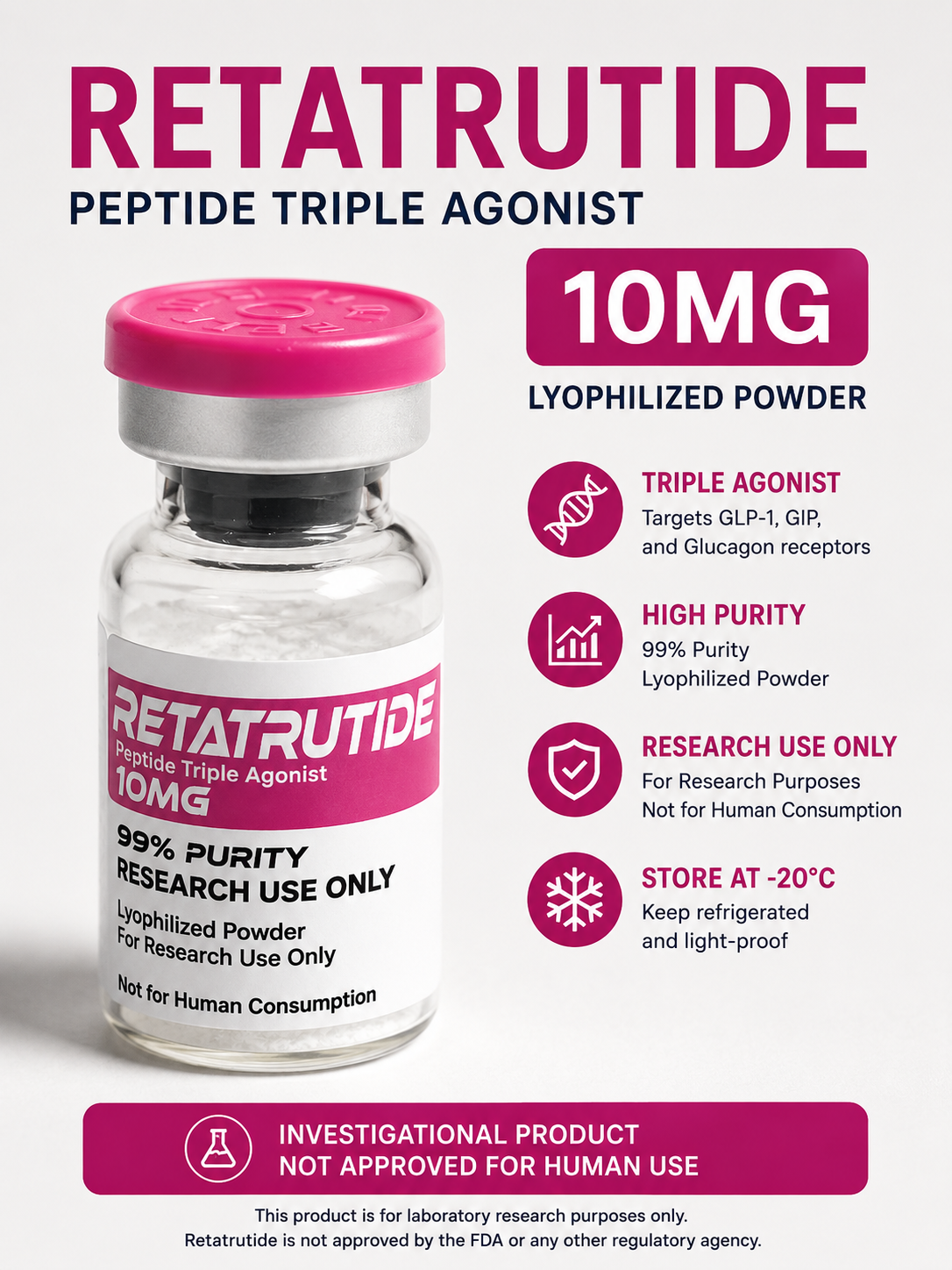
Retatrutide is an investigational, once-weekly injectable medication being developed by Eli Lilly for obesity, type 2 diabetes, and several related cardiometabolic conditions. It is designed as a single-molecule triple agonist that activates the receptors for glucose-dependent insulinotropic polypeptide (GIP), glucagon-like peptide-1 (GLP-1), and glucagon.
Clinical interest in retatrutide has grown rapidly because its early and late-stage trials have reported substantial reductions in body weight, improvements in glycemic control, and changes in several obesity-related health measures. However, retatrutide remains an investigational medication. As of August 2026, it has not been approved by the U.S. Food and Drug Administration or any other regulatory agency and is not legally available for general public use. Lilly states that legitimate access is limited to participants enrolled in its clinical trials.
This guide provides a broad overview of retatrutide, including how it works, why it is called a triple agonist, what clinical trials have reported, its potential benefits and risks, the doses studied in research, its projected cost and availability, and the dangers associated with products marketed online as retatrutide. Dedicated guides on retatrutide dosage, dosing schedules, side effects, trial results, cost, and availability provide more detailed coverage of each topic.
What Is Retatrutide?
Retatrutide is an investigational peptide medication that activates the GIP, GLP-1, and glucagon receptors within a single molecular structure. It is also known by its development code, LY3437943, and has been studied as a once-weekly subcutaneous injection.
Unlike medications that activate only the GLP-1 receptor, retatrutide combines three complementary hormonal pathways associated with appetite regulation, glucose metabolism, nutrient handling, and energy balance. It is intended to influence both sides of the body-weight equation: energy intake and, potentially, energy expenditure.
Retatrutide is sometimes called “GLP-3” in online discussions. That label is scientifically inaccurate. GLP-3 is not the name of the molecule, a recognized hormone class, or an accepted pharmacologic category. The more accurate term is GIP, GLP-1, and glucagon receptor triple agonist.
Retatrutide Quick Facts
| Feature | Current Information |
|---|---|
| Generic or Research Name | Retatrutide |
| Development Code | LY3437943 |
| Developer | Eli Lilly and Company |
| Drug Class | GIP, GLP-1, and glucagon receptor triple agonist |
| Molecular Type | Modified single-chain peptide |
| Administration Studied | Subcutaneous injection |
| Study Frequency | Once weekly |
| Approximate Half-Life | Approximately six days |
| Highest Target Dose Commonly Studied | 12 mg once weekly |
| Conditions Under Investigation | Obesity, overweight, type 2 diabetes, knee osteoarthritis pain, obstructive sleep apnea, cardiovascular outcomes, kidney disease, and metabolic liver disease |
| FDA Approval Status | Not approved |
| Public Availability | Not legally available outside authorized clinical trials |
| Official Retail Price | Not established |
Retatrutide should not be treated as an approved prescription product, dietary supplement, compounded medication, or commercially available peptide therapy. There is no FDA-approved retatrutide brand, commercial package insert, standardized pharmacy concentration, official reconstitution instruction, or approved dosing schedule.
How Does Retatrutide Work?
Retatrutide works by activating three G-protein-coupled receptors involved in metabolic regulation:
- The GLP-1 receptor
- The GIP receptor
- The glucagon receptor
The GLP-1 and GIP components support glucose-dependent insulin secretion and affect appetite and nutrient processing. The glucagon component adds a pathway associated with hepatic energy metabolism, substrate mobilization, and potentially increased energy expenditure.
Retatrutide is not a mixture of three separate medications. It is one engineered peptide capable of binding to and activating all three receptor systems. This design allows the three signals to occur through a single pharmacokinetic profile rather than through three independently administered drugs.
After a subcutaneous injection, retatrutide is gradually absorbed into circulation. Its structural modifications slow enzymatic degradation and elimination, allowing receptor activity to continue across a weekly dosing interval. Once circulating, the active molecule can interact with GIP, GLP-1, and glucagon receptors in metabolically responsive tissues.
The resulting effects may include:
- Reduced hunger and food intake
- Greater post-meal satiety
- Glucose-dependent insulin secretion
- Improved glycemic control
- Delayed gastric emptying
- Changes in hepatic glucose and lipid metabolism
- Increased fatty-acid oxidation
- Changes in energy expenditure
- Reductions in body weight and waist circumference
Not every effect has been established to the same degree in humans. Appetite reduction, glycemic improvement, and weight loss are supported by clinical trial data. Some proposed effects involving energy expenditure and substrate oxidation rely partly on preclinical, mechanistic, and biomarker studies and continue to be investigated.
Why Is Retatrutide Called a Triple Agonist?
An agonist is a substance that binds to a receptor and activates it. Retatrutide is called a triple agonist because the same molecule activates three different hormone receptors.
This distinguishes it from:
- Semaglutide, which activates the GLP-1 receptor
- Tirzepatide, which activates the GIP and GLP-1 receptors
- Retatrutide, which activates the GIP, GLP-1, and glucagon receptors
Adding more receptor targets does not automatically guarantee better clinical outcomes. The effectiveness and safety of a multi-receptor medication depend on the strength, balance, duration, and tissue distribution of its activity at each receptor.
Retatrutide was deliberately engineered with an asymmetric receptor profile. Compared with the corresponding natural hormones, published research describes retatrutide as substantially more potent at the human GIP receptor while having lower activity than native GLP-1 and glucagon at their respective receptors. The goal is not equal stimulation of all three pathways, but a pharmacologically balanced combination capable of producing meaningful weight and glucose effects without allowing glucagon-driven glucose production to overwhelm incretin-mediated glycemic control.
GLP-1 Receptor Activity
GLP-1, or glucagon-like peptide-1, is an incretin hormone released from the intestine after nutrient intake. Activating the GLP-1 receptor can support glucose regulation and reduce food intake through several mechanisms.
Glucose-Dependent Insulin Secretion
GLP-1 receptor activation enhances insulin secretion when blood glucose is elevated. The term glucose-dependent is important because the insulin-stimulating effect decreases as glucose approaches a lower range.
This differs from medications that stimulate insulin secretion regardless of the current glucose concentration. However, hypoglycemia may still become relevant when incretin-based therapies are combined with insulin or insulin-secretagogue medications.
Appetite and Satiety
GLP-1 receptor signaling affects brain pathways involved in hunger, meal size, and satiety. Clinical studies of retatrutide have reported reduced hunger and changes in eating behavior, particularly at higher studied doses. These appetite effects likely contribute to lower caloric intake and progressive weight reduction.
Gastric Emptying
GLP-1 receptor activation can slow the movement of food from the stomach into the small intestine. Retatrutide has been shown to delay gastric emptying, especially during the earlier stages of exposure. This may contribute to increased post-meal fullness and slower nutrient absorption.
The gastric-emptying effect may diminish with continued exposure because tachyphylaxis can develop. This means delayed gastric emptying is only one component of the medication’s weight-loss mechanism and should not be treated as the sole explanation for long-term results.
Glucagon Regulation
GLP-1 can reduce inappropriate post-meal glucagon secretion when glucose is elevated. In retatrutide, this action may help counterbalance the direct glucagon-receptor agonism built into the molecule.
That balance is central to the triple-agonist concept: glucagon-receptor activity may support energy mobilization, while GLP-1 and GIP receptor activity help maintain glycemic control.
GIP Receptor Activity
GIP, or glucose-dependent insulinotropic polypeptide, is another incretin hormone released in response to nutrients. Like GLP-1, it can enhance insulin secretion when blood glucose is elevated.
Retatrutide was developed from a modified GIP-based peptide backbone and has comparatively strong activity at the human GIP receptor. The GIP component is believed to complement GLP-1 receptor activation rather than simply duplicate it.
Insulin Response
GIP receptor activation can increase glucose-dependent insulin secretion from pancreatic beta cells. In people with type 2 diabetes, the natural insulinotropic response to GIP may be impaired, but pharmacologic co-activation of GIP and GLP-1 receptors can still produce clinically meaningful glycemic effects.
Nutrient and Adipose-Tissue Signaling
GIP participates in the body’s response to dietary nutrients and has effects in adipose tissue, the central nervous system, and other metabolically active tissues. Its precise contribution to the weight-loss effects of dual and triple agonists remains an active area of research.
GIP has historically been associated with energy storage under certain physiologic conditions. However, sustained pharmacologic GIP-receptor agonism in combination with GLP-1 activity produces effects that cannot be predicted by examining natural GIP in isolation.
Potential Contribution to Tolerability and Weight Loss
Researchers have proposed that GIP receptor agonism may support appetite regulation, insulin sensitivity, and the overall tolerability of multi-receptor therapy. However, the extent to which GIP independently contributes to retatrutide-associated weight loss has not been fully separated in human trials.
Because retatrutide activates all three receptors simultaneously, clinical trials measure the combined effect of the molecule rather than the isolated contribution of each pathway.
Glucagon Receptor Activity
Glucagon is a pancreatic hormone best known for raising blood glucose by signaling the liver to release stored glucose and produce additional glucose when necessary. At first glance, activating the glucagon receptor may appear counterproductive in a medication being developed for type 2 diabetes.
Retatrutide attempts to use selected metabolic effects of glucagon receptor activation while balancing its glucose-raising potential with strong GIP and GLP-1 receptor activity.
Energy Mobilization
Glucagon receptor signaling promotes the mobilization of stored energy. It can influence hepatic glycogen breakdown, glucose production, lipid metabolism, and fatty-acid oxidation.
Preclinical retatrutide research found that glucagon-receptor activity contributed to greater reductions in body weight and increases in energy expenditure compared with incretin activity alone. Human trials have confirmed substantial weight loss, but the exact proportion attributable to increased energy expenditure rather than reduced food intake remains under investigation.
Hepatic Fat Metabolism
Glucagon signaling may influence liver-fat processing and fatty-acid oxidation. In a phase 2a analysis involving participants with metabolic dysfunction-associated steatotic liver disease, retatrutide produced substantial reductions in liver fat at higher studied doses. Those findings support continued investigation but do not establish an approved treatment indication for MASLD or MASH.
The Glycemic Trade-Off
Excessive glucagon receptor stimulation could raise hepatic glucose output. Retatrutide’s design attempts to prevent that effect from dominating by combining glucagon activity with glucose-dependent insulin secretion and other glycemic effects mediated through GIP and GLP-1 receptors.
Clinical trials in type 2 diabetes have reported reductions rather than increases in HbA1c, suggesting that the net effect of the complete molecule favors improved glycemic control in the studied populations.
How the Three Receptors Work Together
Retatrutide’s proposed advantage comes from integrated metabolic signaling, not simply from adding three isolated effects together.
| Receptor | Primary Proposed Contribution |
|---|---|
| GLP-1 Receptor | Reduced appetite, increased satiety, glucose-dependent insulin secretion, and delayed gastric emptying |
| GIP Receptor | Glucose-dependent insulin secretion, nutrient-response signaling, and complementary metabolic effects |
| Glucagon Receptor | Energy mobilization, hepatic substrate metabolism, fatty-acid oxidation, and potential increases in energy expenditure |
The three pathways may work together in several ways:
- GLP-1 and GIP activity support insulin secretion and glycemic control.
- GLP-1 activity reduces appetite and meal intake.
- GIP activity may complement central and peripheral metabolic signaling.
- Glucagon activity may increase energy use and alter substrate metabolism.
- GLP-1 and GIP effects may offset glucagon-mediated increases in hepatic glucose production.
- Reduced caloric intake and altered energy expenditure may combine to produce greater weight reduction.
The concept remains biologically complex. Receptor activation differs across tissues, and the same receptor may produce different effects depending on glucose concentration, nutritional state, dose, duration of exposure, and the activity of the other two pathways.
For that reason, retatrutide cannot be understood by describing it only as a stronger GLP-1 medication. Its pharmacology is different from GLP-1-only and GIP/GLP-1 dual agonists, although all three categories share some incretin-related effects.
Retatrutide Pharmacology
Retatrutide is a modified peptide engineered to resist rapid enzymatic degradation and remain in circulation long enough for once-weekly administration.
Published research describes retatrutide as a 39-amino-acid peptide conjugated to a C20 fatty-diacid moiety. The peptide was developed from a GIP-based backbone and modified to produce activity at the GIP, GLP-1, and glucagon receptors. The fatty-diacid component promotes reversible binding to albumin, which slows clearance and extends systemic exposure.
Single-Molecule Design
Retatrutide does not contain natural GIP, GLP-1, and glucagon mixed together. It uses one engineered sequence with structural features that allow it to activate all three receptor types.
A single-molecule design may offer several theoretical advantages:
- One absorption profile
- One elimination profile
- A consistent receptor-activity ratio
- Simultaneous exposure at all three receptors
- Less pharmacokinetic variability than administering three separate agents
These advantages are theoretical unless confirmed by clinical outcomes. The actual value of the design depends on whether it produces a favorable balance of efficacy, tolerability, and long-term safety.
Receptor Potency
In laboratory comparisons with the corresponding natural hormones, retatrutide was reported to have:
- Greater relative potency at the human GIP receptor
- Lower relative potency at the human GLP-1 receptor
- Lower relative potency at the human glucagon receptor
This receptor balance is intentional. The molecule is not designed to reproduce natural hormone concentrations or activate each pathway equally. Instead, it aims to create a combined pharmacologic effect suited to chronic metabolic treatment.
Dose-Dependent Activity
Clinical trials have generally shown dose-dependent changes in:
- Body weight
- Waist circumference
- HbA1c
- Fasting glucose
- Appetite
- Gastrointestinal adverse events
- Heart rate
- Treatment discontinuation
A dose-response relationship does not mean that the highest studied dose is appropriate for every participant or that greater exposure always produces a better overall outcome. Higher target doses have generally produced greater average weight reduction but have also been associated with more frequent adverse effects and treatment discontinuation.
Retatrutide Pharmacokinetics
Pharmacokinetics describes how a drug is absorbed, distributed, and eliminated. Retatrutide was engineered with a prolonged pharmacokinetic profile suitable for once-weekly subcutaneous injection.
Early clinical studies found that retatrutide exposure increased across the studied dose range and that its pharmacokinetic profile supported weekly administration. In phase 1 research, reductions in body weight remained detectable for several weeks after a single dose, illustrating that the molecule’s biologic effects can extend beyond its initial absorption period.
Subcutaneous Absorption
All major published retatrutide efficacy trials have used subcutaneous administration. After injection into subcutaneous tissue, the molecule enters the circulation gradually.
No approved intravenous, intramuscular, oral, nasal, or transdermal retatrutide formulation exists. Products sold online as oral retatrutide, retatrutide tablets, nasal sprays, or nonstandard injectable preparations have not been validated through the clinical development program.
Albumin Binding
The C20 fatty-diacid side chain promotes non-covalent binding to circulating albumin. Albumin acts as a temporary carrier, reducing rapid renal filtration and limiting immediate enzymatic breakdown.
Only the unbound fraction is directly available for receptor interaction at a given moment, but albumin-bound retatrutide can gradually dissociate and replenish that active fraction. This creates a prolonged reservoir in circulation.
Accumulation With Weekly Administration
Because the approximate half-life is close to the seven-day dosing interval used in trials, part of each dose remains in circulation when the next dose is administered. Repeated weekly dosing therefore produces accumulation during the first several weeks.
Pharmacokinetic principles suggest that concentrations approach a relatively stable range after approximately four to five half-lives. With an approximate six-day half-life, that corresponds to several weeks of consistent exposure. This is a general pharmacokinetic estimate rather than an approved retatrutide monitoring rule.
Dose-escalation periods complicate the concept of steady state. When the dose is increased every four weeks, exposure begins adjusting toward a new level before complete stabilization at the preceding dose may occur.
Pharmacokinetics vs. Clinical Response
Drug concentration and clinical results do not move on identical timelines.
Retatrutide may reach a relatively stable concentration within weeks at a constant dose, while:
- Appetite effects may emerge earlier.
- Gastrointestinal adverse effects may be most noticeable during escalation.
- HbA1c changes develop over several weeks or months.
- Weight reduction can continue for many months.
- Cardiometabolic outcomes may require longer observation.
- Some effects may persist after plasma concentrations decline.
The half-life should therefore not be used as a direct prediction of how quickly a person will lose weight, how long side effects will last, or when the medication’s downstream metabolic effects will end.
Retatrutide Half-Life
Retatrutide has an approximate plasma half-life of six days. This prolonged half-life is one reason it has been studied as a once-weekly subcutaneous injection.
A six-day half-life means that, after absorption and distribution, the circulating amount declines by approximately half over six days. It does not mean that the entire dose disappears after six days.
A simplified theoretical decline after the final dose would look like this:
| Time After the Final Dose | Approximate Amount Remaining |
|---|---|
| Day 0 | 100% |
| Day 6 | 50% |
| Day 12 | 25% |
| Day 18 | 12.5% |
| Day 24 | 6.25% |
| Day 30 | Approximately 3% |
This table illustrates exponential elimination and is not a validated personal washout schedule. Actual exposure can vary according to absorption, accumulated dosing, body composition, organ function, assay methods, and individual pharmacokinetics.
Using the general estimate of four to five half-lives, most circulating retatrutide could take approximately 24 to 30 days to decline after the final dose. Small residual amounts may remain longer, and downstream effects on appetite, glucose, gastric emptying, or body weight may not stop at the same moment the plasma concentration becomes low.
Retatrutide’s half-life does not establish:
- An approved dosage
- A missed-dose protocol
- A safe escalation schedule
- A personal washout period
- Pregnancy-planning instructions
- The duration of side effects
- The time required for weight regain
- The appropriate timing of another incretin medication
Those questions require product-specific regulatory instructions, and no approved retatrutide prescribing information currently exists. The doses and schedules discussed in research describe controlled clinical-trial designs, not instructions for unsupervised use.
Retatrutide Clinical Trials
Retatrutide has progressed from early pharmacokinetic studies into a large Phase 3 development program covering obesity, type 2 diabetes, knee osteoarthritis pain, obstructive sleep apnea, cardiovascular disease, chronic kidney disease, metabolic liver disease, weight-loss maintenance, and chronic low back pain. As of August 2026, retatrutide remains investigational and has not been approved by the FDA or another regulatory agency. Lilly has disclosed results from five Phase 3 trials, while several additional studies remain active or are awaiting completion.
The evidence does not carry equal weight across every study. The Phase 2 obesity and type 2 diabetes trials were published in peer-reviewed journals, and TRANSCEND-T2D-1 was published in The Lancet in June 2026. By contrast, several recent TRIUMPH findings remain sponsor-reported topline results that have not yet been fully published in peer-reviewed journals. Those results are important, but they should not be treated as equivalent to a complete journal publication with full methods, subgroup analyses, and adverse-event tables.
Major Retatrutide Trials at a Glance
| Study | Population | Duration | Main Reported Finding | Evidence Status |
|---|---|---|---|---|
| Phase 1b | Adults with type 2 diabetes | 12 weeks | Early dose-dependent glucose and weight effects; approximately 8.96 kg placebo-adjusted weight reduction in the highest-dose group | Peer-reviewed early-phase evidence summarized in later publications |
| Phase 2 Obesity Trial | Adults with obesity or overweight plus a related condition, without diabetes | 48 weeks | Up to 24.2% mean weight reduction at 12 mg | Peer-reviewed in The New England Journal of Medicine |
| Phase 2 Type 2 Diabetes Trial | Adults with type 2 diabetes | 36 weeks | Up to 2.02 percentage-point HbA1c reduction at 24 weeks and 16.94% weight reduction at 36 weeks | Peer-reviewed in The Lancet |
| Phase 2a MASLD Substudy | Participants with obesity and elevated liver fat | 48 weeks | Up to 82.4% relative liver-fat reduction at 24 weeks | Peer-reviewed in Nature Medicine |
| TRANSCEND-T2D-1 | Adults with early type 2 diabetes inadequately controlled by diet and exercise | 40 weeks | Up to 1.94 percentage-point HbA1c reduction and 15.3% weight reduction under the treatment-regimen estimand | Peer-reviewed in The Lancet |
| TRIUMPH-1 | Adults with obesity or overweight without diabetes | 80 weeks, with a 104-week extension | Up to 28.3% mean weight reduction at 80 weeks and 30.3% in the extension | Presented and sponsor-reported; complete peer-reviewed publication pending |
| TRIUMPH-4 | Adults with obesity or overweight and knee osteoarthritis | 68 weeks | Up to 28.7% weight reduction with substantial improvement in knee pain | Sponsor-reported topline results |
| TRIUMPH-2 | Adults with obesity or overweight and type 2 diabetes | 80 weeks | Up to 20.8% mean weight reduction and 1.6 percentage-point HbA1c reduction | Sponsor-reported topline results |
| TRIUMPH-3 | Adults with severe obesity and established cardiovascular disease | 80 weeks | Up to 22.6% mean weight reduction | Sponsor-reported topline results |
The reported percentages in different studies should not be compared as though every trial used the same population, duration, statistical estimand, adherence pattern, or treatment strategy. People with type 2 diabetes often lose less weight in obesity-drug trials than participants without diabetes, while longer studies provide more time for continued weight reduction. Different estimands also answer different questions about what happens when treatment is completed as planned versus what happens when discontinuations and rescue interventions are included.
Understanding Efficacy and Treatment-Regimen Estimands
Some retatrutide announcements report an efficacy estimand, which estimates the treatment effect under a scenario in which participants remain on the assigned treatment and do not require certain rescue interventions. This type of analysis can help describe the medication’s biologic effect when taken as intended.
A treatment-regimen estimand includes outcomes regardless of whether participants permanently discontinued the study medication or required additional intervention. This approach may provide a more conservative estimate that resembles the variability encountered in real-world treatment.
For example, Lilly reported 28.3% mean weight reduction at 80 weeks for the 12 mg TRIUMPH-1 group under the efficacy estimand. Under the treatment-regimen estimand, the corresponding mean reduction was 25.0%. Both results are valid within their defined statistical frameworks, but they answer different questions and should be labeled clearly.
Early Phase 1 Retatrutide Research
Early retatrutide research focused primarily on safety, tolerability, pharmacokinetics, and whether the molecule produced the expected metabolic signal in humans. In a Phase 1b study involving adults with type 2 diabetes, once-weekly retatrutide was evaluated through multiple ascending-dose regimens over 12 weeks.
Although Phase 1 studies are not designed to establish long-term clinical efficacy, the early findings showed a dose-related reduction in body weight and glucose. A later peer-reviewed Phase 2 publication reported that the highest-dose Phase 1b group experienced a placebo-adjusted mean weight reduction of approximately 8.96 kg over 12 weeks. The study also supported an approximate six-day half-life and the feasibility of once-weekly administration.
The Phase 1 program established several principles that continued into later research:
- Retatrutide could be administered once weekly.
- Exposure increased across the studied dose range.
- Gastrointestinal events were an important tolerability consideration.
- Gradual dose escalation could improve tolerability.
- Higher exposure produced stronger early weight and glycemic effects.
These findings justified larger Phase 2 trials, but they did not establish an approved dosage, a safe self-administration protocol, or long-term outcomes.
Retatrutide Phase 2 Obesity Trial
The Phase 2 obesity trial provided the first large, peer-reviewed demonstration of retatrutide’s weight-loss potential. The randomized, double-blind, placebo-controlled study enrolled 338 adults with a BMI of at least 30, or a BMI of 27 to below 30 with at least one weight-related condition. Participants did not have type 2 diabetes.
Participants received once-weekly subcutaneous retatrutide at target doses of 1 mg, 4 mg, 8 mg, or 12 mg, or placebo, for 48 weeks. Several groups began at a lower dose before escalating, allowing investigators to compare different starting and titration approaches.
Weight Loss at 24 Weeks
At 24 weeks, the mean percentage changes in body weight were:
- 1 mg: −7.2%
- 4 mg: −12.9%
- 8 mg: −17.3%
- 12 mg: −17.5%
- Placebo: −1.6%
These results showed a clear dose-response relationship through most of the studied range, although the 8 mg and 12 mg groups were similar at the 24-week point.
Weight Loss at 48 Weeks
At 48 weeks, mean body-weight changes were:
- 1 mg: −8.7%
- 4 mg: −17.1%
- 8 mg: −22.8%
- 12 mg: −24.2%
- Placebo: −2.1%
The weight-loss curves in the higher-dose groups had not clearly reached a plateau by week 48, suggesting that additional reduction might occur with longer treatment. Later Phase 3 results supported that possibility, although cross-trial comparisons must account for different populations and study designs.
Percentage of Participants Reaching Weight-Loss Thresholds
At 48 weeks, the proportions achieving at least 5%, 10%, and 15% weight loss increased as the target dose rose.
In the 12 mg group:
- 100% achieved at least 5% weight loss.
- 93% achieved at least 10%.
- 83% achieved at least 15%.
By comparison, the corresponding placebo results were 27%, 9%, and 2%. These figures demonstrate that the average response reflected broad weight reduction across the group rather than a small number of extreme responders. They do not mean every future patient would experience the same outcome.
Gastrointestinal adverse events were the most frequently reported problems. They were generally mild to moderate, occurred more often at higher doses, and were concentrated during dose escalation. Beginning at 2 mg rather than 4 mg partially reduced these events. Dose-dependent heart-rate increases peaked around week 24 and declined later in the trial.
Related guide: Retatrutide Results: Clinical Weight-Loss Timeline and Trial Outcomes
Retatrutide Phase 2 Type 2 Diabetes Trial
The Phase 2 type 2 diabetes trial evaluated retatrutide in 281 adults with HbA1c levels between 7.0% and 10.5% and a BMI between 25 and 50. Participants managed diabetes with diet and exercise alone or with a stable metformin dose. The study compared multiple retatrutide regimens with placebo and dulaglutide 1.5 mg.
The primary outcome was the change in HbA1c at 24 weeks, while body-weight and longer-term glycemic outcomes were assessed through week 36.
HbA1c Reduction at 24 Weeks
Mean HbA1c changes included:
- 0.5 mg: −0.43 percentage points
- 4 mg with escalation: −1.39 points
- 4 mg without escalation: −1.30 points
- 8 mg with slower escalation: −1.99 points
- 8 mg with faster escalation: −1.88 points
- 12 mg: −2.02 points
- Placebo: −0.01 points
- Dulaglutide 1.5 mg: −1.41 points
The 8 mg slow-escalation and 12 mg groups produced significantly greater HbA1c reductions than dulaglutide in this study. These findings should not be interpreted as a general superiority claim against every GLP-1 or dual-agonist therapy because the comparison involved one dulaglutide dose and a specific trial population.
Weight Reduction at 36 Weeks
Mean percentage changes in body weight were:
- 0.5 mg: −3.19%
- 4 mg with escalation: −7.92%
- 4 mg without escalation: −10.37%
- 8 mg with slower escalation: −16.81%
- 8 mg with faster escalation: −16.34%
- 12 mg: −16.94%
- Placebo: −3.00%
- Dulaglutide 1.5 mg: −2.02%
The higher-dose retatrutide groups produced substantially greater mean weight reduction than either placebo or dulaglutide. No severe hypoglycemia or deaths occurred in the trial. Mild-to-moderate gastrointestinal events remained the most common adverse effects.
The trial helped identify doses and escalation strategies for Phase 3 development. It did not establish an approved treatment regimen, and its 36-week duration was too short to resolve long-term cardiovascular, kidney, gallbladder, pancreatic, nutritional, or weight-maintenance outcomes.
Retatrutide and Metabolic Liver Disease
A Phase 2a substudy evaluated liver-fat changes in 98 participants from the obesity trial who had metabolic dysfunction-associated steatotic liver disease and at least 10% liver fat at baseline.
At 24 weeks, the mean relative changes in liver fat were:
- 1 mg: −42.9%
- 4 mg: −57.0%
- 8 mg: −81.4%
- 12 mg: −82.4%
- Placebo: +0.3%
Normal liver-fat levels below 5% were reached by 27% of participants receiving 1 mg, 52% receiving 4 mg, 79% receiving 8 mg, and 86% receiving 12 mg, compared with none receiving placebo. Liver-fat reduction correlated with weight loss, lower abdominal fat, and improvements in metabolic measures.
These findings are clinically important because excess liver fat is closely associated with insulin resistance and cardiometabolic disease. However, reduced liver fat does not automatically prove resolution of steatohepatitis, reversal of fibrosis, prevention of cirrhosis, or lower liver-related mortality.
Retatrutide is not approved for MASLD or MASH. Larger and longer studies are required to determine whether the imaging changes translate into durable histologic and clinical benefits.
TRANSCEND-T2D-1 Phase 3 Trial
TRANSCEND-T2D-1 was the first completed Phase 3 retatrutide study to be published in a peer-reviewed journal. The 40-week, randomized, double-blind trial enrolled 537 adults with type 2 diabetes inadequately controlled through diet and exercise alone. Participants had a baseline mean HbA1c of 7.9%, a mean BMI of 35.8, and a relatively short mean diabetes duration of 2.5 years.
Participants received 4 mg, 9 mg, or 12 mg retatrutide or placebo once weekly.
Phase 3 HbA1c Results
Under the treatment-regimen estimand, mean HbA1c changes at week 40 were:
- 4 mg: −1.69 percentage points
- 9 mg: −1.86 points
- 12 mg: −1.94 points
- Placebo: −0.81 points
All three retatrutide doses produced statistically significant reductions compared with placebo.
Phase 3 Weight Results in Type 2 Diabetes
Mean body-weight changes under the treatment-regimen estimand were:
- 4 mg: −11.5%
- 9 mg: −13.9%
- 12 mg: −15.3%
- Placebo: −2.6%
The most frequent adverse events were gastrointestinal and were generally mild to moderate. Discontinuation because of adverse events occurred in 2% to 5% of retatrutide-treated participants, and no severe hypoglycemia was reported. Two deaths occurred in the 4 mg group, but investigators assessed both as unrelated to the study medication.
The trial tested retatrutide as monotherapy in adults with relatively early type 2 diabetes. Its results cannot be applied automatically to people taking insulin, sulfonylureas, multiple glucose-lowering agents, or those with advanced diabetic complications.
TRIUMPH-1 Phase 3 Obesity Trial
TRIUMPH-1 studied adults with obesity or overweight and at least one weight-related condition who did not have diabetes. Lilly reported that all three studied target doses met the primary and key secondary endpoints at 80 weeks.
Under the efficacy estimand, mean weight reduction was:
- 4 mg: −19.0%
- 9 mg: −25.9%
- 12 mg: −28.3%
- Placebo: −2.2%
At the 12 mg dose, 45.3% of participants achieved at least 30% weight reduction and 27.2% achieved at least 35%. Approximately 65.3% of the 12 mg group reached a BMI below 30 by week 80.
A prespecified extension included participants whose baseline BMI was at least 35. Those continuing the 12 mg strategy through week 104 achieved a reported mean weight reduction of 30.3% under the efficacy estimand. Under the treatment-regimen estimand, the corresponding week-104 reduction was 29.9%.
TRIUMPH-1 also included nested evaluations of knee osteoarthritis pain and moderate-to-severe obstructive sleep apnea. Lilly reported reductions of up to 73.1% in the WOMAC knee-pain score and up to 60.6% in the apnea-hypopnea index. These findings were presented in 2026, but a complete peer-reviewed publication should be reviewed before drawing firm conclusions about subgroup selection, missing data, treatment discontinuation, and durability.
TRIUMPH-4 Knee Osteoarthritis Trial
TRIUMPH-4 enrolled adults with obesity or overweight and symptomatic knee osteoarthritis who did not have diabetes. Most participants had a baseline BMI of at least 35. The trial compared retatrutide 9 mg and 12 mg with placebo for 68 weeks.
Under the efficacy estimand, mean weight reductions were:
- 9 mg: −26.4%
- 12 mg: −28.7%
- Placebo: −2.1%
The mean WOMAC pain-score reductions were approximately 4.5 points with 9 mg and 4.4 points with 12 mg, compared with 2.4 points for placebo. Physical-function scores also improved.
These findings suggest that substantial weight reduction may improve mechanical and inflammatory burdens associated with knee osteoarthritis. However, the trial does not prove that retatrutide directly regenerates cartilage, reverses structural joint disease, or eliminates the need for conventional osteoarthritis management.
The reported results remain sponsor-released topline data. Detailed peer-reviewed findings are needed to evaluate imaging outcomes, analgesic use, physical activity, joint replacement decisions, and whether pain improvement was mediated entirely by weight reduction or partly through other pathways.
TRIUMPH-2 Phase 3 Trial
TRIUMPH-2 enrolled 1,152 adults with type 2 diabetes and obesity or overweight. Participants received target doses of 4 mg, 9 mg, or 12 mg retatrutide or placebo for 80 weeks.
Under the efficacy estimand, reported mean weight changes were:
- 4 mg: −12.7%
- 9 mg: −19.1%
- 12 mg: −20.8%
- Placebo: −4.0%
Mean HbA1c reductions reached 1.6 percentage points in the 9 mg group, compared with 0.2 points for placebo.
The magnitude of weight loss was lower than in TRIUMPH-1, which enrolled participants without diabetes. This pattern is consistent with the broader observation that people with type 2 diabetes often experience less weight reduction than those without diabetes when treated with incretin-based obesity medications.
The TRIUMPH-2 results were sponsor-reported in July 2026. Detailed results have not yet been fully published in a peer-reviewed journal, so the complete safety dataset, subgroup findings, adherence data, and statistical analyses remain subject to further review.
TRIUMPH-3 Phase 3 Trial
TRIUMPH-3 evaluated 1,949 adults with severe obesity and established cardiovascular disease, with or without type 2 diabetes. Participants received retatrutide 9 mg, 12 mg, or placebo for 80 weeks.
Reported mean weight reductions under the efficacy estimand were approximately:
- 9 mg: −21.6%
- 12 mg: −22.6%
- Placebo: −3.2%
These results indicate that substantial weight reduction remained possible in a population with severe obesity and established cardiovascular disease.
The number of major cardiovascular events was lower than originally expected. The reported hazard ratio for the broader MACE-5 composite was 0.82, with a 95% confidence interval of 0.55 to 1.22. The hazard ratio for the narrower MACE-3 composite was 1.12, with a confidence interval of 0.64 to 1.96. Both intervals crossed 1.0, so the results do not establish either cardiovascular benefit or harm.
A dedicated, event-driven outcomes trial is evaluating whether retatrutide reduces major cardiovascular and kidney events. Until that study is completed, improvements in weight, blood pressure, lipids, waist circumference, or inflammatory markers should not be presented as proof that retatrutide prevents heart attacks, strokes, cardiovascular death, heart failure, or kidney failure.
Ongoing Retatrutide Trials
The development program extends beyond the completed studies.
TRIUMPH-5
TRIUMPH-5 is a Phase 3 head-to-head study comparing retatrutide with tirzepatide in approximately 800 adults with obesity. The study is active but no longer recruiting, with primary completion expected in late 2026. Until results are reported, claims that retatrutide is definitively superior to tirzepatide rely on cross-trial comparisons rather than direct evidence.
TRIUMPH-6
TRIUMPH-6 is evaluating the maintenance of weight reduction. Participants first receive retatrutide during a lead-in period and are later randomized to continued treatment at different dose strategies or placebo. This design may help clarify how much weight is maintained, regained, or lost further after changing treatment. The study is expected to continue into 2028.
TRIUMPH-Outcomes
TRIUMPH-Outcomes is an event-driven Phase 3 study designed to determine whether retatrutide reduces serious cardiovascular events or slows kidney deterioration in adults with overweight or obesity and established cardiovascular or chronic kidney disease. The planned duration is approximately five years, making it one of the most important studies for understanding long-term clinical benefit.
TRANSCEND-T2D-2
TRANSCEND-T2D-2 directly compares retatrutide with semaglutide in adults with type 2 diabetes inadequately controlled with metformin, with or without an SGLT2 inhibitor. Results are not yet available.
TRANSCEND-CKD
TRANSCEND-CKD is a Phase 2b mechanistic study in adults with overweight or obesity and chronic kidney disease, with and without type 2 diabetes. The study is evaluating kidney-related pathways and clinical markers rather than assuming that weight loss automatically protects renal function.
Chronic Low Back Pain Trial
A Phase 3 study is evaluating retatrutide in adults with obesity or overweight and chronic low back pain. The purpose is to determine whether substantial weight reduction improves pain and function in another common obesity-related musculoskeletal condition. Completion is estimated for 2027.
Related guide: Retatrutide Clinical Trials: Phase 1, Phase 2, Phase 3, and Ongoing Studies
Retatrutide for Weight Loss
Retatrutide has produced large average reductions in body weight across Phase 2 and Phase 3 research. The results have generally been dose-dependent and have continued over longer treatment periods, particularly in participants without type 2 diabetes.
The most widely cited peer-reviewed result is the 24.2% mean reduction at 48 weeks in the 12 mg Phase 2 obesity group. More recent Phase 3 sponsor-reported findings include 28.3% at 80 weeks in TRIUMPH-1, 28.7% at 68 weeks in TRIUMPH-4, 20.8% at 80 weeks in TRIUMPH-2, and 22.6% at 80 weeks in TRIUMPH-3.
These percentages are group averages. Individual results can vary considerably because of:
- Starting weight and BMI
- Diabetes status
- Target dose reached
- Time spent at the maintenance dose
- Treatment interruptions
- Adverse effects
- Dietary intake
- Physical activity
- Other medications
- Underlying endocrine or metabolic disease
- Individual pharmacologic response
A 28% trial average does not mean every participant lost 28%, and it does not guarantee that someone outside the trial would experience a similar result.
Why Weight Loss Continued Over Time
The Phase 2 obesity study did not show a clear plateau by week 48 in the highest-dose groups. TRIUMPH-1 later reported continued reduction through week 80 and, among participants entering the severe-obesity extension, through week 104.
Several factors may explain the prolonged trajectory:
- Progressive dose escalation delays exposure to the final target dose.
- Appetite and eating behavior may continue changing after escalation.
- Larger starting body weight permits greater absolute loss.
- Glucagon-receptor activity may influence energy expenditure and substrate metabolism.
- Improvements in mobility may support increased activity.
- Ongoing metabolic adaptation may alter the rate of loss over time.
Continued average weight reduction does not prove that loss will continue indefinitely. Every treatment eventually encounters biologic, behavioral, tolerability, or clinical limits.
Retatrutide Results Timeline
The following timeline combines findings from different trials and should not be interpreted as a prediction for an individual.
| Study Period | What the Research Has Shown |
|---|---|
| First 12 Weeks | Early Phase 1b research showed measurable, dose-dependent weight and glucose changes, with the strongest group losing approximately 8.96 kg more than placebo |
| Week 24 | Phase 2 obesity participants lost an average of up to 17.5%; HbA1c fell by up to approximately 2.02 percentage points in the Phase 2 diabetes trial |
| Week 36 | Phase 2 diabetes participants lost up to approximately 16.94% of baseline body weight |
| Week 40 | TRANSCEND-T2D-1 reported up to 15.3% weight reduction and a 1.94 percentage-point HbA1c decrease under the treatment-regimen estimand |
| Week 48 | Phase 2 obesity participants lost up to 24.2%, with the higher-dose curves still trending downward |
| Week 68 | TRIUMPH-4 sponsor-reported data showed up to 28.7% weight reduction in adults with obesity and knee osteoarthritis |
| Week 80 | TRIUMPH-1 reported up to 28.3%; TRIUMPH-2 up to 20.8%; and TRIUMPH-3 up to 22.6% under their reported efficacy estimands |
| Week 104 | The severe-obesity extension of TRIUMPH-1 reported up to 30.3% mean weight reduction |
The timeline combines different participant groups and statistical methods. It should be used to understand the general development of trial findings, not to project a personal weekly weight target.
Related guide: Retatrutide Results: Week-by-Week Evidence From Clinical Trials
Retatrutide and Type 2 Diabetes
Retatrutide has improved both glycemic control and body weight in Phase 2 and Phase 3 studies of adults with type 2 diabetes. The triple-agonist design appears to balance glucagon-receptor activity with strong GIP and GLP-1 effects, producing a net reduction in HbA1c despite glucagon’s potential to increase hepatic glucose production.
In the Phase 2 diabetes study, the 12 mg group achieved an average HbA1c reduction of 2.02 percentage points at 24 weeks and approximately 16.94% weight reduction at 36 weeks. In TRANSCEND-T2D-1, the peer-reviewed Phase 3 trial, HbA1c fell by 1.69 to 1.94 points across the three retatrutide doses under the treatment-regimen estimand, while weight decreased by 11.5% to 15.3%.
Lilly’s separate efficacy analysis reported that up to 46% of TRANSCEND-T2D-1 participants reached an HbA1c below 5.7%, while up to 90% reached below 7.0%. These results occurred in participants with relatively early diabetes managed without other glucose-lowering medication, so they cannot be generalized directly to people with long-standing disease, insulin deficiency, or complex medication regimens.
Retatrutide remains investigational for diabetes. The ongoing TRANSCEND program is evaluating it in broader clinical situations, including comparison with semaglutide and use alongside metformin or SGLT2 inhibitors.
Retatrutide for Obesity and Weight-Related Conditions
Retatrutide research treats obesity as a disease connected to multiple downstream complications rather than as an isolated number on the scale.
The clinical program includes or has included populations with:
- Type 2 diabetes
- Knee osteoarthritis
- Obstructive sleep apnea
- Established cardiovascular disease
- Chronic kidney disease
- Metabolic liver disease
- Chronic low back pain
- Severe obesity
- Weight regain risk after substantial loss
The reported improvements in knee pain and sleep apnea suggest that large weight reductions may affect conditions driven partly by mechanical loading, airway anatomy, inflammation, or metabolic dysfunction. However, the medication should not be described as an approved arthritis, sleep-apnea, liver, kidney, or cardiovascular treatment.
Potential Retatrutide Benefits
Retatrutide’s potential benefits must be described as clinical-trial findings, not guaranteed outcomes or approved treatment claims.
Substantial Weight Reduction
The strongest evidence involves body-weight reduction. Peer-reviewed Phase 2 data showed up to 24.2% at 48 weeks, while sponsor-reported Phase 3 findings reached up to 28.3% at 80 weeks and 30.3% in a selected 104-week extension population.
Improved Glycemic Control
Phase 2 and Phase 3 diabetes trials reported HbA1c reductions approaching two percentage points at higher studied doses. These results suggest potential for meaningful diabetes treatment, but the benefit-risk profile must be established across different medication combinations and stages of disease.
Reduced Waist Circumference
TRIUMPH-1 reported waist-circumference reductions of up to 24.1 cm under the efficacy estimand. Waist reduction may reflect lower visceral and subcutaneous abdominal fat, but it does not independently establish lower cardiovascular-event risk.
Changes in Blood Pressure and Lipids
The Phase 2 obesity trial reported improvements in several cardiometabolic markers. TRIUMPH-1 sponsor-reported findings included reductions in triglycerides, non-HDL cholesterol, systolic blood pressure, waist circumference, and high-sensitivity C-reactive protein. These are risk factors and biomarkers, not direct proof of fewer heart attacks or strokes.
Reduced Liver Fat
The MASLD substudy found liver-fat reductions exceeding 80% at the higher studied doses, with many participants reaching normal liver-fat levels on imaging. Larger liver-outcome studies are needed to determine effects on inflammation, fibrosis, cirrhosis, and long-term liver complications.
Improved Knee Pain and Physical Function
TRIUMPH-4 reported substantial improvement in WOMAC pain and physical-function scores among adults with obesity and knee osteoarthritis. The result may reflect lower mechanical joint loading, improved mobility, metabolic changes, or a combination of effects.
Reduced Obstructive Sleep Apnea Severity
The TRIUMPH-1 sleep-apnea basket study reported a reduction of up to 36.1 apnea or hypopnea events per hour, corresponding to approximately 60.6% from baseline. The full peer-reviewed results are needed to assess changes in oxygen saturation, daytime symptoms, positive-airway-pressure use, and long-term cardiovascular implications.
Potential Kidney and Cardiovascular Benefits
Weight reduction, improved blood pressure, lower glucose, reduced albuminuria, and improved lipid markers could plausibly affect cardiovascular and kidney outcomes. Dedicated trials are underway, but current evidence does not yet establish that retatrutide prevents major cardiovascular or renal events.
The potential benefits must ultimately be considered alongside gastrointestinal tolerability, heart-rate effects, treatment discontinuation, nutritional consequences, loss of lean tissue, unknown long-term risks, and the likelihood of weight regain after stopping therapy.
Retatrutide Risks
Retatrutide has produced substantial weight-loss and glycemic effects in clinical trials, but those results do not eliminate the need for a careful risk assessment. The medication remains investigational, has no FDA-approved prescribing information, and has not yet completed the full regulatory review required to establish an official indication, contraindication list, dosing schedule, interaction profile, or long-term safety framework. Lilly states that retatrutide is legally available only through its authorized clinical trials.
The most consistently reported risks involve gastrointestinal intolerance, treatment discontinuation, increased heart rate, altered skin sensation, loss of lean mass during substantial weight reduction, and uncertainty about uncommon or long-term adverse outcomes. Phase 2 research also reported isolated gallbladder events, pancreatic-enzyme elevations, and one case of acute pancreatitis, although the trial was too small to estimate the frequency of uncommon events reliably.
Major Risk Areas Under Investigation
| Risk Area | Current Evidence | Why It Matters |
|---|---|---|
| Gastrointestinal intolerance | Nausea, diarrhea, vomiting, and constipation were the most frequent adverse events | Persistent symptoms can affect nutrition, hydration, treatment adherence, and quality of life |
| Treatment discontinuation | Discontinuation generally increased at higher target doses in several trials | A dose may produce strong efficacy while remaining difficult for some participants to tolerate |
| Heart-rate elevation | Dose-dependent increases appeared in Phase 2 and peaked around week 24 | The long-term cardiovascular significance remains uncertain |
| Dysesthesia | Abnormal skin sensations emerged more clearly in Phase 3 trials | The mechanism, predictors, and long-term significance are not yet established |
| Hypoglycemia | Severe hypoglycemia was not reported in the published monotherapy Phase 3 diabetes trial | Risk may differ when combined with insulin or insulin-secretagogue medications |
| Gallbladder and pancreatic events | Small numbers occurred in Phase 2 | Larger studies are required to define whether the rates exceed background risk |
| Lean-mass reduction | Fat loss exceeded lean-mass loss, but lean mass still declined | Large total weight reductions can affect strength, function, and nutritional requirements |
| Unknown long-term effects | Several outcome and maintenance trials remain active | Current studies do not yet define lifelong safety, durability, or post-discontinuation outcomes |
| Unregulated products | FDA has warned against products sold as retatrutide outside clinical trials | Purity, concentration, sterility, and identity cannot be assumed |
An adverse event recorded during a trial does not necessarily prove that retatrutide caused it. Investigators compare event rates across treatment and placebo groups, assess timing and biological plausibility, and evaluate whether the event resolves after dose adjustment or discontinuation. Larger and longer studies are especially important for uncommon outcomes that cannot be characterized adequately in trials enrolling only several hundred participants.
Retatrutide Side Effects
The most common retatrutide side effects reported in clinical trials have involved the gastrointestinal system. Nausea, diarrhea, vomiting, constipation, reduced appetite, and early satiety occurred more often with retatrutide than with placebo, particularly at higher target doses and during dose escalation. Most gastrointestinal events were described as mild to moderate, but they remained the leading reason participants discontinued treatment in the Phase 2 obesity trial.
Because retatrutide has no approved label, it is more precise to describe these findings as trial-reported adverse events rather than as a finalized commercial side-effect profile. Regulatory reviewers may classify risks differently after evaluating the complete Phase 3 database, manufacturing information, exposure-response analyses, post-treatment follow-up, and proposed prescribing conditions.
Selected Adverse-Event Rates From Late-Stage Trials
| Adverse Event | TRIUMPH-1: Retatrutide 12 mg | TRIUMPH-1: Placebo | TRANSCEND-T2D-1: Retatrutide 12 mg | TRANSCEND-T2D-1: Placebo |
|---|---|---|---|---|
| Nausea | 42.4% | 14.8% | 26.5% | 3.7% |
| Diarrhea | 32.0% | 13.5% | 22.8% | 4.5% |
| Vomiting | 25.3% | 4.8% | 17.6% | 2.2% |
| Constipation | 26.1% | 10.9% | Not highlighted among the most common reported events | — |
| Dysesthesia | 12.5% | 0.9% | 4.4% | 0% |
| Urinary tract infection | 8.4% | 5.3% | 2.9% | 0% |
| Discontinuation due to adverse events | 11.3% | 4.9% | 5.1% | 0% |
TRIUMPH-1 involved adults with obesity or overweight without diabetes, whereas TRANSCEND-T2D-1 involved adults with relatively early type 2 diabetes managed through diet and exercise. Differences between their event rates may reflect population characteristics, trial duration, statistical methods, escalation procedures, and exposure time; they should not be interpreted as a direct comparison between studies.
Related guide: Retatrutide Side Effects: Gastrointestinal, Metabolic, Neurologic, and Long-Term Safety
Gastrointestinal Side Effects
Gastrointestinal adverse events have been the most consistent tolerability issue across retatrutide trials. The primary symptoms include:
- Nausea
- Diarrhea
- Vomiting
- Constipation
- Reduced appetite
- Early satiety
- Dyspepsia
- Abdominal discomfort
In the Phase 2 obesity trial, gastrointestinal events were dose-related, occurred mainly during escalation, and appeared more frequently among participants who began at 4 mg than among those who began at 2 mg. This finding helped shape the slower, lower-dose initiation strategy used in Phase 3.
Gastrointestinal symptoms do not necessarily continue throughout the entire treatment period. The published TRANSCEND-T2D-1 trial described the most frequent gastrointestinal events as generally mild to moderate and reported that they subsided over time. Nevertheless, some participants discontinued treatment because symptoms remained unacceptable or interfered with normal daily function.
Why Gastrointestinal Symptoms May Occur
Retatrutide activates the GLP-1 receptor and has demonstrated effects on gastric emptying, appetite, and eating behavior. Slower gastric transit, reduced meal size, increased satiety, and altered central appetite signaling may contribute to nausea, fullness, vomiting, or constipation, particularly as exposure increases. Diarrhea may reflect more complex changes in gastrointestinal motility and nutrient handling.
The intensity of gastrointestinal effects does not provide a reliable measure of efficacy. A participant can lose substantial weight without severe nausea, while another may experience significant gastrointestinal intolerance without achieving the same degree of weight reduction.
Dose Escalation and Gastrointestinal Tolerability
The Phase 2 obesity study compared starting doses of 2 mg and 4 mg in several target-dose groups. Beginning at 2 mg partially reduced gastrointestinal adverse events compared with beginning at 4 mg. The Phase 3 program consequently used a 2 mg starting dose followed by staged increases every four weeks toward assigned maintenance targets.
This does not establish a public titration schedule. The protocol was implemented under trial supervision, with eligibility screening, standardized study medication, scheduled assessments, adverse-event reporting, and predefined rules for dose interruption or reduction.
Treatment Discontinuation and Dose Tolerability
Strong average efficacy does not mean every participant can remain on the highest studied dose. Across several trials, discontinuation because of adverse events generally increased as the target dose rose.
In the Phase 2 obesity trial, adverse events caused discontinuation in approximately 6% to 16% of participants receiving retatrutide, compared with none receiving placebo. The highest discontinuation rate appeared in the 12 mg group.
In TRIUMPH-1, discontinuation because of adverse events occurred in:
- 4.1% of participants assigned to 4 mg
- 6.9% assigned to 9 mg
- 11.3% assigned to 12 mg
- 4.9% assigned to placebo
The 4 mg group reached its assigned target after only one escalation step and produced substantial average weight reduction with an observed adverse-event discontinuation rate below placebo. The result illustrates why lower maintenance doses may remain clinically meaningful even when higher doses produce greater average weight loss.
In TRIUMPH-4, adverse-event discontinuation occurred in 12.2% of participants receiving 9 mg and 18.2% receiving 12 mg, compared with 4.0% receiving placebo. Lilly reported that the discontinuations were associated with baseline BMI and included some participants who stopped because they believed they had lost too much weight.
These findings reinforce an important principle: the most effective dose in a group-average analysis is not automatically the most appropriate or tolerable dose for every individual.
Understanding Retatrutide Dose Escalation
Because starting doses, escalation intervals, and maintenance targets can significantly affect tolerability, it is important to distinguish between doses investigated in clinical trials and approved dosing recommendations. Our Retatrutide Dosage Guide takes a deeper look at the doses evaluated across Phase 1, Phase 2, and Phase 3 trials, including escalation intervals, maintenance targets, dose-response findings, and how tolerability changed at different exposure levels.
Want to explore this topic in more detail? [Click here to access our complete Retatrutide Dosage Guide] and review the clinical-trial dosing evidence, escalation strategies, and maintenance doses studied to date.
Dysesthesia and Altered Skin Sensation
Dysesthesia emerged as a more visible safety signal during Phase 3 development. Dysesthesia is a broad term for abnormal or unpleasant skin sensations, which may be described as tingling, burning, prickling, numbness, sensitivity, or electric-like sensations.
In TRIUMPH-1, dysesthesia occurred in:
- 5.1% of participants receiving 4 mg
- 12.3% receiving 9 mg
- 12.5% receiving 12 mg
- 0.9% receiving placebo
In TRIUMPH-4, the reported rates were 8.8% with 9 mg and 20.9% with 12 mg, compared with 0.7% with placebo. Lilly described these events as generally mild and stated that they rarely caused treatment discontinuation.
Dysesthesia was also reported in TRANSCEND-T2D-1, though at lower frequencies of 2.3% to 4.5% across the active-treatment groups. The events were generally mild to moderate, and most resolved during continued treatment.
The mechanism has not been established. Current data do not determine whether dysesthesia relates directly to receptor pharmacology, rapid weight loss, changes in nutritional intake, changes in subcutaneous tissue, altered nerve signaling, or another process. Dedicated analyses and longer follow-up will be needed to characterize duration, recurrence, risk factors, and clinical significance.
Heart-Rate Changes
The Phase 2 obesity trial reported dose-dependent increases in heart rate. These increases peaked around week 24 and declined at weeks 36 and 48. Investigators noted that the magnitude was similar to increases observed with some GLP-1 receptor agonists.
A higher heart rate does not automatically mean that a participant will experience an arrhythmia, heart attack, or cardiovascular event. However, persistent increases may be more relevant in people with preexisting tachycardia, rhythm disorders, cardiovascular disease, autonomic dysfunction, or medications that affect cardiac rate.
The long-term significance cannot be resolved through short-term changes in pulse alone. TRIUMPH-Outcomes is designed to evaluate whether retatrutide affects serious cardiovascular and kidney outcomes over approximately five years in adults with obesity and established cardiovascular or chronic kidney disease.
Until those results are available, improvements in body weight, blood pressure, lipids, or inflammation should not be treated as proof that retatrutide prevents cardiovascular death, heart attack, stroke, heart failure, or kidney failure.
Hypoglycemia Risk
Retatrutide’s GIP and GLP-1 components stimulate insulin in a glucose-dependent manner, meaning the insulinotropic effect diminishes as blood glucose falls. This mechanism helps explain why severe hypoglycemia was not reported in the published Phase 2 type 2 diabetes trial or in TRANSCEND-T2D-1.
TRANSCEND-T2D-1 evaluated retatrutide as monotherapy in adults whose diabetes was managed through diet and exercise and who were not using other glucose-lowering medication. Its low severe-hypoglycemia rate therefore does not establish the risk when retatrutide is combined with:
- Insulin
- Sulfonylureas
- Meglitinides
- Other incretin medications
- Multiple glucose-lowering drugs
The future approved label, if retatrutide receives authorization, will need to address whether insulin or insulin-secretagogue doses require adjustment and how glucose should be monitored in combination treatment.
Gallbladder Events
The Phase 2 obesity trial reported three gallbladder-related events: one case of cholecystitis and two cases of cholelithiasis. These counts were too small to establish a reliable incidence rate or prove that retatrutide caused the events.
Gallstones and gallbladder inflammation can occur during substantial or rapid weight reduction regardless of whether weight loss results from medication, dietary restriction, or bariatric surgery. Drug-specific effects on gastrointestinal motility or gallbladder physiology may also be relevant, but the contribution of each factor has not been separated for retatrutide.
Larger Phase 3 datasets and regulatory analyses will be required to determine whether gallbladder events occur at a clinically meaningful excess rate and whether the risk varies according to dose, duration, rate of weight loss, age, sex, or prior gallbladder disease.
Pancreatic Enzymes and Pancreatitis
Asymptomatic increases in amylase and lipase occurred during the Phase 2 obesity trial. One participant experienced an independently confirmed serious adverse event of acute pancreatitis.
One event cannot establish the true pancreatitis risk of a medication intended for large populations and potentially long-term use. At the same time, it cannot be ignored. The complete clinical program must evaluate:
- Confirmed acute pancreatitis
- Recurrent pancreatitis
- Pancreatic-enzyme trends
- Gallstone-associated pancreatitis
- Alcohol-related risk
- Baseline triglycerides
- Prior pancreatic disease
- Timing relative to dose escalation and weight loss
An elevated lipase result alone does not prove pancreatitis, especially when a participant has no compatible symptoms or imaging findings. Clinical diagnosis requires interpretation of symptoms, laboratory values, imaging, and alternative explanations.
Dehydration and Kidney-Related Concerns
Persistent vomiting or diarrhea can cause fluid loss and dehydration. Reduced appetite may also decrease overall fluid intake, particularly when early satiety makes both eating and drinking more difficult. These effects can become clinically relevant even when retatrutide does not directly injure kidney tissue.
The published trials have not established a complete kidney-safety profile across patients with advanced chronic kidney disease, dehydration risk, diuretic use, or medications that affect renal blood flow. A dedicated TRANSCEND-CKD study and the long-term TRIUMPH-Outcomes trial are evaluating kidney-related measures and major kidney outcomes in higher-risk populations.
Potential kidney benefits from weight loss, lower blood pressure, improved glucose, or reduced albuminuria must be separated from short-term kidney stress caused by volume depletion. Those are different physiological processes and may occur in different patients.
Liver Enzymes and Hepatic Considerations
In the Phase 2 obesity trial, transient alanine aminotransferase elevations greater than three times the upper limit of normal occurred in approximately 1% of retatrutide-treated participants. Mean ALT and AST values were unchanged or lower by week 48.
Retatrutide also produced major liver-fat reductions in the MASLD substudy, particularly at the 8 mg and 12 mg target doses. Lower liver fat and lower mean liver enzymes may suggest improved metabolic liver health, but they do not eliminate the need to investigate uncommon liver injury, gallbladder obstruction, or individual enzyme elevations.
A medication may improve average liver biomarkers while still producing an idiosyncratic adverse reaction in a small number of users. Regulatory safety assessment must therefore consider both group averages and individual outlier cases.
Urinary Tract Infections
Urinary tract infections appeared somewhat more frequently in several recent Phase 3 retatrutide groups than in their placebo groups, though the differences were inconsistent across studies.
In TRIUMPH-1, reported urinary tract infection rates were:
- 7.5% with 4 mg
- 8.8% with 9 mg
- 8.4% with 12 mg
- 5.3% with placebo
In TRANSCEND-T2D-1, the corresponding rates were 0.7%, 1.5%, and 2.9%, compared with 0% for placebo. Lilly described these events as generally mild to moderate, with most resolving during treatment.
The mechanism and causal relationship remain uncertain. Possible explanations may include chance, differences in trial populations, diabetes status, hydration, sex distribution, or other factors. The current evidence is not sufficient to classify urinary tract infection as a confirmed pharmacologic effect of retatrutide.
Serious Adverse Events
In the Phase 2 obesity trial, serious adverse events occurred in approximately 4% of participants in both the pooled retatrutide groups and the placebo group. One participant receiving retatrutide died by drowning, and the investigator assessed the death as unrelated to the study medication.
In TRANSCEND-T2D-1, study-treatment discontinuation due to adverse events occurred in approximately 2% to 5% of retatrutide participants. Two deaths occurred in the 4 mg group, and both were assessed as unrelated to retatrutide.
These findings provide reassurance that serious-event rates were not dramatically elevated in the published studies, but they do not define long-term safety. Rare outcomes may not become statistically visible until a medication has been studied in tens of thousands of people or used after approval in broader populations.
Lean-Mass Loss and Body Composition
Substantial weight reduction generally includes both fat mass and lean mass. Lean mass measured by DXA includes skeletal muscle, water, glycogen, organs, connective tissue, and other non-fat tissue; it is not identical to muscle mass alone.
A Phase 2 body-composition substudy in adults with type 2 diabetes found that retatrutide produced much greater reductions in fat mass than in lean mass. At week 36, total fat mass declined by as much as 26.1%, with reductions of up to 10.9 kg in total fat mass and up to 6.5 kg in lean mass. Investigators concluded that the proportion of lean-mass loss relative to total weight loss was comparable with that seen during other obesity treatments rather than disproportionately high.
“Not disproportionate” does not mean “no concern.” The absolute amount of lean mass lost can still be clinically important when total weight reduction exceeds 20% or 30%, especially for:
- Older adults
- People with sarcopenia
- Individuals with limited protein intake
- Patients recovering from illness or surgery
- People with mobility limitations
- Athletes or physically demanding occupations
- Patients losing weight very rapidly
The body-composition substudy did not establish whether every kilogram classified as lean mass represented functional skeletal-muscle loss. It also did not fully answer whether strength, power, balance, or physical performance remain preserved during multi-year treatment.
Related guide: Retatrutide Results: Fat Loss, Lean Mass, and Body-Composition Changes
Nutritional and Functional Risks
Large reductions in appetite can make it difficult to consume enough protein, essential fatty acids, vitamins, minerals, fiber, and fluids. Trial-average improvements in metabolic health do not guarantee adequate nutrition for every participant.
Potential issues during major weight reduction may include:
- Insufficient protein intake
- Loss of strength or exercise capacity
- Reduced bone-loading activity
- Constipation from low food or fiber intake
- Dehydration
- Fatigue
- Hair shedding associated with rapid weight loss
- Micronutrient deficiencies
- Worsening frailty in susceptible adults
The existing retatrutide trials were not designed to define the best nutritional or resistance-training program for preserving muscle and function. Future real-world management would need to integrate weight-loss efficacy with nutrition, physical activity, body composition, age, and functional status rather than tracking scale weight alone.
Unknown Long-Term Risks
Retatrutide’s most important unanswered safety questions involve duration. A medication developed for obesity or diabetes may be used for years, while the completed studies provide a much shorter observation period.
Long-term uncertainties include:
- Safety beyond two years
- Cardiovascular-event reduction or increase
- Kidney outcomes
- Durability of glycemic control
- Gallbladder and pancreatic risk
- Long-term nutritional consequences
- Bone health
- Functional effects of lean-mass reduction
- Psychiatric and eating-behavior outcomes
- Pregnancy and reproductive safety
- Immunogenicity
- Long-term dysesthesia
- Cancer outcomes
- Weight regain after discontinuation
- Safety of switching from or combining with other incretin medications
TRIUMPH-Outcomes is expected to follow participants for approximately five years to evaluate major cardiovascular and kidney outcomes. TRIUMPH-6 is studying weight maintenance and what happens when treatment strategies change after an initial retatrutide lead-in period. These studies may answer questions that short efficacy trials cannot resolve.
Explore Retatrutide Side Effects in Greater Detail
Gastrointestinal symptoms are only one part of retatrutide’s developing safety profile. Clinical trials have also reported or investigated dysesthesia, heart-rate changes, gallbladder events, pancreatic enzyme elevations, dehydration, kidney-related concerns, lean-mass loss, and other potential adverse effects.
Because retatrutide remains investigational, understanding which side effects are well documented, which appear dose-related, and which risks remain uncertain requires a closer examination of the clinical evidence.
Want to explore the complete safety profile? [Click here to read our full Retatrutide Side Effects Guide] for a detailed analysis of common side effects, serious adverse events, dose-related tolerability, and the long-term safety questions researchers are still investigating.
Retatrutide Dosage Overview
There is no FDA-approved retatrutide dosage. The doses described in scientific publications are clinical-trial assignments administered with investigational medication under protocol supervision. They should not be interpreted as instructions for obtaining, mixing, calculating, or self-administering unapproved products.
Retatrutide has generally been studied as a once-weekly subcutaneous injection, with target doses ranging from 0.5 mg to 12 mg depending on the study population and development phase.
Retatrutide Doses Studied in Clinical Trials
| Trial or Program | Population | Doses Studied | General Design |
|---|---|---|---|
| Phase 2 Obesity Trial | Adults with obesity or overweight without diabetes | 1 mg, 4 mg, 8 mg, and 12 mg once weekly | Some groups began at 2 mg or 4 mg and escalated every four weeks |
| Phase 2 Type 2 Diabetes Trial | Adults with type 2 diabetes | 0.5 mg, 4 mg, 8 mg, and 12 mg once weekly | Multiple starting and escalation strategies were compared |
| TRANSCEND-T2D-1 | Adults with early type 2 diabetes | 4 mg, 9 mg, and 12 mg target doses | Began at 2 mg and increased stepwise every four weeks |
| TRIUMPH-1 | Adults with obesity or overweight without diabetes | 4 mg, 9 mg, and 12 mg target doses | Began at 2 mg and increased stepwise every four weeks |
| TRIUMPH-4 | Adults with obesity and knee osteoarthritis | 9 mg and 12 mg target doses | Weekly administration with staged escalation |
| TRIUMPH-2 | Adults with obesity or overweight and type 2 diabetes | 4 mg, 9 mg, and 12 mg target doses | Phase 3 target-dose comparison |
| TRIUMPH-3 | Adults with severe obesity and cardiovascular disease | 9 mg and 12 mg target doses | Phase 3 target-dose comparison |
The highest disclosed target dose in the completed development program has generally been 12 mg once weekly. No approved medical authority has determined that 12 mg is the correct, safe, or necessary dose for public use.
Starting Dose vs. Target Dose
A starting dose is the initial amount used during the adaptation period. A target dose is the assigned maintenance level that investigators intend participants to reach if tolerability permits.
This distinction matters because trial results identified as “12 mg” do not mean that participants received 12 mg from the first injection. In TRIUMPH-1, participants assigned to 12 mg began at 2 mg and progressed through 4 mg, 6 mg, and 9 mg steps before reaching 12 mg.
The target dose indicates the intended long-term trial arm. Actual exposure can differ when participants experience:
- Delayed escalation
- Temporary dose reduction
- Missed study injections
- Treatment interruption
- Permanent discontinuation
- Inability to tolerate the assigned target
Why the Highest Dose Is Not Automatically the Best Dose
The higher-dose groups generally achieved greater average weight reduction, but they also experienced more gastrointestinal adverse events, dysesthesia, and treatment discontinuation in several trials.
TRIUMPH-1 illustrates the efficacy-tolerability trade-off:
| Target Dose | Mean Weight Reduction at 80 Weeks, Efficacy Estimand | Discontinuation Due to Adverse Events |
|---|---|---|
| 4 mg | 19.0% | 4.1% |
| 9 mg | 25.9% | 6.9% |
| 12 mg | 28.3% | 11.3% |
| Placebo | 2.2% | 4.9% |
The 12 mg group achieved the largest average weight reduction, but the 4 mg group still produced substantial efficacy with a lower observed adverse-event discontinuation rate.
This pattern is central to future clinical decision-making. Regulatory approval may establish several maintenance doses so that treatment can balance response, tolerability, comorbidities, and individual goals rather than forcing every patient toward the maximum studied exposure.
Related guide: Retatrutide Dosage: Clinical-Trial Doses, Evidence, and Safety Limitations
A Closer Look at Retatrutide Dosage
The dose numbers reported in retatrutide trials tell only part of the story. Understanding the evidence also requires looking at how participants reached each target dose, why different maintenance doses were studied, how dose influenced weight-loss outcomes, and where tolerability began to limit treatment continuation. These distinctions are particularly important when interpreting results from the 4 mg, 9 mg, and 12 mg groups, since a higher target dose did not necessarily represent the best balance of efficacy and tolerability for every participant.
For a complete breakdown of the doses investigated across retatrutide clinical trials, [click here to read our Retatrutide Dosage Guide], where we examine starting doses, target doses, dose escalation, maintenance levels, dose-response results, and the safety limitations of the available evidence.
Retatrutide Dosing Schedule Overview
Retatrutide clinical trials have used once-weekly administration with gradual escalation. The Phase 2 obesity trial increased doses every four weeks for participants assigned to target doses of 4 mg or higher. Phase 3 studies refined the process by starting at 2 mg and using intermediate steps toward the 4 mg, 9 mg, or 12 mg targets.
Phase 3 Trial Escalation Structure
| Assigned Target Dose | Weeks 1–4 | Weeks 5–8 | Weeks 9–12 | Weeks 13–16 | Week 17 and Later |
|---|---|---|---|---|---|
| 4 mg | 2 mg | 4 mg | 4 mg | 4 mg | 4 mg |
| 9 mg | 2 mg | 4 mg | 6 mg | 9 mg | 9 mg |
| 12 mg | 2 mg | 4 mg | 6 mg | 9 mg | 12 mg |
This table summarizes the disclosed TRIUMPH-1 study design. It is not an approved prescription schedule, a personal dosing recommendation, or a guide for products sold outside clinical trials.
Why Trials Used Four-Week Escalation Intervals
Holding each dose level for approximately four weeks allows investigators to observe tolerability before increasing exposure. Retatrutide has an approximate six-day half-life, so repeated weekly administration produces accumulation across several weeks. A four-week interval allows concentrations and adverse effects to move closer to a new exposure level before the next planned escalation.
The Phase 2 obesity study showed that gastrointestinal events clustered during escalation and were partially reduced by starting at 2 mg instead of 4 mg.
The four-week interval should not be interpreted as proof that every participant tolerated escalation on schedule. Clinical-trial protocols include rules for dose interruption, reduction, delayed escalation, or discontinuation.
Dose Reduction in TRANSCEND-T2D-1
TRANSCEND-T2D-1 permitted a temporary dose reduction for intolerable gastrointestinal symptoms during the first 20 weeks of treatment. The protocol called for a later attempt to return to the assigned escalation pathway.
This type of protocol flexibility helps distinguish a controlled trial from an unsupervised fixed schedule. Researchers can document why a dose was reduced, assess symptoms, monitor laboratory results, and determine whether escalation should resume.
No Approved Missed-Dose Instructions
Retatrutide does not have FDA-approved missed-dose instructions. The development program’s internal rules should not be assumed to apply to products sold online, especially when the identity, concentration, stability, or sterility of those products has not been verified.
Approved weekly incretin medications have product-specific missed-dose windows based on their pharmacology and clinical development. Those instructions cannot automatically be transferred to retatrutide.
Related guide: Retatrutide Dosing Schedule: Weekly Administration and Trial Titration Explained
Monitoring During Retatrutide Clinical Trials
Retatrutide trials monitor much more than body weight. Investigators evaluate efficacy, tolerability, metabolic response, vital signs, laboratory safety, adverse events, treatment adherence, and reasons for dose interruption or discontinuation.
Key Monitoring Areas
| Monitoring Area | Examples of Measures | Purpose |
|---|---|---|
| Body weight and anthropometrics | Weight, BMI, waist circumference | Measures treatment response and rate of weight loss |
| Glycemic control | HbA1c, fasting glucose, hypoglycemia events | Evaluates diabetes efficacy and glucose-related safety |
| Vital signs | Heart rate and blood pressure | Detects hemodynamic changes |
| Gastrointestinal tolerability | Nausea, diarrhea, vomiting, constipation, reduced appetite | Guides escalation, dose interruption, and discontinuation |
| Hydration and kidney status | Clinical hydration assessment and kidney-related laboratory measures | Identifies consequences of vomiting, diarrhea, or reduced fluid intake |
| Pancreatic safety | Amylase, lipase, and adjudicated pancreatitis events | Assesses pancreatic-enzyme changes and suspected pancreatitis |
| Hepatic status | ALT, AST, liver-fat imaging in selected studies | Evaluates liver safety and metabolic liver effects |
| Cardiometabolic markers | Lipids, blood pressure, waist circumference, inflammatory markers | Measures broader metabolic response |
| Neurologic and sensory events | Dysesthesia and other altered-sensation reports | Characterizes emerging sensory signals |
| Body composition | DXA measurements of fat and lean mass in substudies | Determines how weight loss is distributed |
| Treatment adherence | Doses received, interruptions, reductions, and discontinuations | Helps interpret efficacy and tolerability accurately |
| Serious adverse events | Hospitalization, life-threatening events, deaths | Supports overall benefit-risk assessment |
The Phase 2 obesity trial monitored body weight, cardiometabolic measures, gastrointestinal events, heart rate, liver enzymes, pancreatic enzymes, gallbladder events, hypersensitivity, and serious adverse events.
The diabetes trials added detailed glycemic monitoring, including HbA1c, fasting glucose, and hypoglycemia assessment. TRANSCEND-T2D-1 reported significant HbA1c and weight changes without severe hypoglycemia in its monotherapy population.
Body Weight Alone Is Not Sufficient
A declining scale weight does not establish that treatment remains safe or nutritionally appropriate. Monitoring may also need to consider:
- Rate of weight reduction
- Loss of lean mass
- Strength and physical function
- Food and protein intake
- Hydration
- Gastrointestinal tolerance
- Blood pressure
- Heart rate
- Glucose control
- Laboratory changes
- Psychological response
- Whether weight loss has exceeded the intended clinical goal
TRIUMPH-4 included participants who discontinued because they perceived their weight loss as excessive, illustrating that greater weight reduction is not always an uncomplicated benefit.
Why Trial Monitoring Cannot Be Recreated With an Online Product
Participants in Lilly-sponsored trials receive standardized investigational medication manufactured under controlled conditions. They also undergo eligibility screening, scheduled follow-up, adverse-event reporting, protocol-directed dose management, and access to trial investigators.
A product sold online as retatrutide does not provide those protections. The FDA has warned consumers not to purchase products falsely labeled for research use or “not for human consumption,” noting that their quality is unknown and that they may be harmful. FDA warning letters have specifically identified websites marketing retatrutide as an unapproved new drug.
Clinical-trial monitoring cannot correct for a vial containing:
- The wrong peptide
- An inaccurate concentration
- Bacterial or endotoxin contamination
- Degradation products
- Incorrect excipients
- Poor sterility
- No active ingredient
- A substituted ingredient
The safety findings from Lilly’s studies apply to the investigational product used in those studies. They do not validate products marketed by unrelated peptide vendors, compounding operations, social-media sellers, or overseas laboratories.
Retatrutide Contraindications and Precautions
Retatrutide does not currently have an FDA-approved prescribing label, so it does not yet have an official commercial list of contraindications, warnings, precautions, or drug interactions. Any article presenting a finalized “retatrutide contraindications” list as though it came from an approved package insert would therefore be premature. Lilly continues to describe retatrutide as an investigational medication available only through its clinical trials.
What can be evaluated today are the eligibility and exclusion criteria used in retatrutide clinical trials, together with adverse events observed during those studies. Trial exclusions are not automatically equivalent to future FDA contraindications, but they show which medical histories investigators considered important enough to exclude or study separately.
Medical Conditions Frequently Excluded From Retatrutide Trials
Across several Phase 3 retatrutide studies, important exclusion criteria have included:
- Personal or family history of medullary thyroid carcinoma
- Multiple endocrine neoplasia syndrome type 2, or MEN2
- Previous acute or chronic pancreatitis
- Type 1 diabetes in diabetes or obesity trials
- Recent myocardial infarction or stroke in some studies
- Recent hospitalization for unstable angina or heart failure in some studies
- Advanced or unstable heart failure in selected protocols
- Clinically significant gastric-emptying disorders
- Recent use of other weight-loss medications
- Prior or planned bariatric procedures in many obesity trials
These criteria are important because they prevent researchers from extrapolating trial results to populations who were deliberately excluded.
For example, a Phase 3 obesity trial excluded people with a personal or family history of medullary thyroid carcinoma or MEN2. Multiple retatrutide protocols have used similar exclusions. That pattern deserves attention, but it should not yet be described as a formal retatrutide boxed warning or FDA contraindication because no approved retatrutide label exists.
Retatrutide and Pancreatitis History
Several major retatrutide trials excluded participants with previous acute or chronic pancreatitis. TRIUMPH-1, TRIUMPH-2, TRIUMPH-3, TRIUMPH-Outcomes, and other development studies have used pancreatitis-related exclusions.
This does not prove that retatrutide causes pancreatitis. It means that the current efficacy and safety database contains limited information about people with an established history of the disease.
Because pancreatic-enzyme elevations and isolated pancreatitis events have appeared during development, this remains an area that regulatory authorities will need to evaluate when the complete safety database is submitted.
Severe Gastrointestinal Disease and Gastroparesis
Retatrutide has been shown to delay gastric emptying. Some ongoing trials exclude participants with clinically significant gastric-emptying abnormalities such as severe gastroparesis or gastric outlet obstruction.
This is clinically relevant because slowing gastric emptying in someone whose stomach already empties abnormally could theoretically worsen nausea, vomiting, early satiety, or nutritional problems.
However, no public retatrutide prescribing information currently defines precisely which gastrointestinal disorders would constitute a formal contraindication versus a precaution.
Cardiovascular Disease
Cardiovascular disease is not universally excluded from the retatrutide program. In fact, TRIUMPH-3 enrolled adults with severe obesity and established cardiovascular disease, and TRIUMPH-Outcomes is specifically studying people with cardiovascular disease and/or chronic kidney disease.
Some protocols nevertheless exclude people who have experienced a very recent:
- Myocardial infarction
- Stroke
- Acute coronary syndrome
- Coronary revascularization
- Hospitalization for unstable heart failure
This allows investigators to avoid enrolling patients during an unstable cardiovascular period while still studying retatrutide in people with established chronic cardiovascular disease.
The long-term cardiovascular benefit-risk profile remains under investigation.
Kidney Disease
Kidney impairment is being studied rather than categorically excluded from the entire retatrutide program. TRANSCEND-T2D-3, for example, evaluates retatrutide in adults with type 2 diabetes and moderate or severe renal impairment who are receiving basal insulin, with or without metformin and an SGLT2 inhibitor.
TRIUMPH-Outcomes also includes participants with chronic kidney disease while excluding certain people with extremely advanced disease, recent dialysis, or kidney transplantation.
This distinction matters. It would be inaccurate to claim that kidney disease itself is a known contraindication to retatrutide.
Pregnancy and Reproductive Safety
Retatrutide does not yet have an approved pregnancy section, pregnancy registry, or established human reproductive-safety recommendations. Because it remains investigational, there is not enough information to define fetal risk, an appropriate preconception discontinuation interval, or use during breastfeeding.
The approximate six-day half-life can describe how plasma concentrations decline, but it should not be used independently to create a pregnancy-planning washout schedule. That recommendation requires reproductive-toxicology data and regulatory review.
Retatrutide Drug Interactions
There is currently no FDA-approved retatrutide drug-interaction table. Potential interactions should therefore be separated into those supported by retatrutide-specific evidence and those that are biologically plausible but not yet characterized adequately.
The most relevant areas under investigation involve glucose-lowering medications, medications whose absorption depends on gastrointestinal transit, other incretin therapies, and drugs that may amplify dehydration or gastrointestinal adverse effects.
Retatrutide and Insulin
Retatrutide lowers glucose and HbA1c in people with type 2 diabetes. TRANSCEND-T2D-1 studied retatrutide primarily without background glucose-lowering medication and reported no severe hypoglycemia, but that result cannot automatically be transferred to patients receiving insulin.
TRANSCEND-T2D-3 is specifically studying retatrutide in participants with renal impairment who are receiving basal insulin, which should provide more information about combination therapy.
If retatrutide is eventually approved for diabetes, its label will need to specify whether insulin doses require adjustment and how hypoglycemia should be monitored.
Retatrutide and Sulfonylureas
Sulfonylureas stimulate insulin secretion and can cause hypoglycemia independently of glucose-dependent incretin signaling.
Some mechanistic retatrutide studies permit participants who previously used sulfonylureas or other oral glucose-lowering medications under protocol-defined conditions, but this does not yet establish a standardized interaction recommendation.
Until dedicated interaction and combination-treatment data are complete, statements such as “retatrutide can safely be combined with sulfonylureas” would go beyond the available evidence.
Retatrutide and Other GLP-1 or Incretin Medications
There is no established clinical rationale for consumers to combine investigational retatrutide with medications such as:
- Semaglutide
- Tirzepatide
- Liraglutide
- Dulaglutide
Retatrutide already activates GLP-1 and GIP pathways, while adding glucagon-receptor activity. Combining it with another incretin therapy could increase overlapping gastrointestinal and metabolic effects without an established safety advantage.
No approved retatrutide label provides instructions for stacking, overlapping, or transitioning between these medications.
Retatrutide and Oral Medications
Retatrutide has been shown to delay gastric emptying. In theory, this could alter the rate at which some orally administered medications reach the small intestine and are absorbed.
Research involving the broader GLP-1 receptor agonist class has shown that delayed gastric emptying can alter the time to maximum concentration of certain oral medications, although clinically meaningful effects vary considerably between drugs.
Retatrutide-specific interaction studies are not sufficiently complete to establish a universal rule.
This issue may become more important for medications that require:
- Rapid onset
- Predictable absorption
- Narrow therapeutic concentrations
- Precise timing relative to food
The eventual prescribing information will be the appropriate source for product-specific recommendations.
Vomiting, Diarrhea, and Medication Absorption
Severe vomiting or diarrhea can affect the reliability of orally administered medication independent of a direct molecular interaction.
Potentially affected therapies could include medications where missed or incomplete absorption has significant consequences. The concern would arise from gastrointestinal intolerance rather than direct enzyme inhibition or receptor competition.
This is another reason that a future interaction profile must evaluate the complete clinical effect of retatrutide rather than receptor pharmacology alone.
Retatrutide Cost Overview
Retatrutide does not currently have an official retail price in the United States. Lilly states that the medication remains investigational and that pricing will be determined after clinical development and regulatory review.
Therefore, there is currently no legitimate:
- Manufacturer list price
- Pharmacy cash price
- Insurance copay
- Medicare price
- Commercial NDC price
- Manufacturer savings card
- FDA-approved vial or pen price
Prices advertised by peptide websites should not be cited as the “cost of retatrutide” because those products are not the approved Lilly medication studied in clinical trials.
What Could Affect the Future Retatrutide Price?
If retatrutide receives FDA approval, its eventual cost could be influenced by:
- Approved indication
- Dose and maintenance strength
- Delivery-device design
- Manufacturing scale
- Insurance coverage
- Pharmacy-benefit negotiations
- Employer plans
- Medicare or Medicaid coverage rules
- Manufacturer assistance programs
- Competition from other obesity medications
- Duration of treatment
- Whether several maintenance doses are marketed
It is therefore too early to publish an authoritative “retatrutide monthly cost.”
A future dedicated cost article should be updated immediately once Lilly publishes an official commercial price.
Related guide: Retatrutide Cost and Price: What Could Treatment Cost After Approval?
Retatrutide Price vs. Online Peptide Prices
Online websites currently advertise substances labeled as retatrutide at widely varying prices. Those figures should not be compared with legitimate pharmaceutical pricing.
The FDA has taken enforcement action against sellers marketing purported retatrutide products as unapproved drugs, including products labeled “research use only” or “not for human consumption” while simultaneously being promoted for human weight loss or metabolic effects.
The price of such a vial says nothing reliable about:
- Peptide identity
- Purity
- Concentration
- Sterility
- Endotoxin contamination
- Stability
- Storage history
- Manufacturing quality
- Whether retatrutide is actually present
For this reason, gray-market pricing should not be used as a benchmark for the future commercial medication.
Retatrutide Availability
Retatrutide is not currently available for public use. As of August 2026, Lilly states that retatrutide has not been approved by any regulatory agency and is legally available only through Lilly clinical trials.
Five Phase 3 studies have already generated disclosed results, while additional studies remain underway. Lilly has not announced a guaranteed public launch date because availability depends on completion of the development program, regulatory submission, FDA review, labeling negotiations, and approval.
That distinction should remain prominent in any article targeting searches such as:
- retatrutide availability
- retatrutide release date
- when will retatrutide be available
- retatrutide FDA approval
- retatrutide online
- buy retatrutide
Can You Buy Retatrutide?
There is currently no FDA-approved retatrutide product that consumers can legally purchase as a standard prescription medication in the United States. Lilly states that authentic investigational retatrutide is limited to its clinical trials.
This means there is presently no legitimate retail version that can be verified through:
- An FDA-approved retatrutide label
- An approved commercial NDC
- A standard pharmacy prescription
- An authorized Lilly retail product
- An official commercial dose or packaging configuration
Websites claiming to sell “pharmaceutical retatrutide,” “generic retatrutide,” or an “FDA-approved retatrutide peptide” are not selling an approved equivalent because no approved reference product currently exists.
What About “Research-Grade Retatrutide”?
A label stating “research use only” does not transform an unapproved drug sold for human use into an authorized pharmaceutical product.
The FDA specifically warns consumers against products containing purported retatrutide that are marketed as being for research purposes or “not for human consumption” while being sold directly to consumers with human-use claims or instructions. The agency states that these products have unknown quality and may be harmful.
In March and June 2026, the FDA issued warning letters to multiple companies selling purported retatrutide products as unapproved new drugs. The agency emphasized that injectable products present additional risk because they bypass several of the body’s natural defenses against contaminants and microorganisms.
Can Compounded Retatrutide Be Considered Equivalent?
A compounded or repackaged product should not automatically be treated as equivalent to Lilly’s investigational retatrutide.
The FDA has issued enforcement correspondence involving companies that manufactured, repackaged, or marketed retatrutide without an approved drug application.
Because there is no FDA-approved commercial retatrutide reference product, consumers cannot rely on an approved label to verify:
- Official concentration
- Authorized excipients
- Device specifications
- Stability
- Shelf life
- Manufacturing process
- Approved storage conditions
- Human dosing instructions
A certificate of analysis from a seller does not replace regulatory approval or establish clinical equivalence to the investigational product used in Lilly trials.
Retatrutide vs. Tirzepatide
Retatrutide and tirzepatide are related but pharmacologically distinct medications.
Tirzepatide activates GIP and GLP-1 receptors. Retatrutide activates GIP, GLP-1, and glucagon receptors.
Tirzepatide is already FDA-approved as Zepbound for chronic weight management in qualifying adults and for moderate-to-severe obstructive sleep apnea in adults with obesity. Retatrutide remains investigational.
| Feature | Retatrutide | Tirzepatide |
|---|---|---|
| GIP Receptor | Yes | Yes |
| GLP-1 Receptor | Yes | Yes |
| Glucagon Receptor | Yes | No |
| Administration Studied/Approved | Once-weekly subcutaneous injection | Once-weekly subcutaneous injection |
| FDA Status | Investigational | Approved |
| Obesity Indication | Under investigation | Approved |
| Type 2 Diabetes | Under investigation | Tirzepatide is approved as Mounjaro |
| Direct Head-to-Head Trial | TRIUMPH-5 underway | Comparator in TRIUMPH-5 |
The additional glucagon-receptor activity makes retatrutide pharmacologically different from tirzepatide, but it does not by itself establish superiority.
Is Retatrutide Better Than Tirzepatide?
It is too early to answer definitively.
Retatrutide has produced larger mean percentage weight reductions in some separate trials than results historically reported in tirzepatide studies. However, cross-trial comparisons cannot establish that one medication is superior because study populations, trial durations, doses, statistical estimands, adherence, background therapy, and eligibility criteria differ.
TRIUMPH-5 was specifically designed to compare retatrutide directly with tirzepatide in approximately 800 adults with obesity. As of August 2026, the trial is active, no longer recruiting, has no posted efficacy results, and has an estimated primary completion in December 2026.
Until that head-to-head study reports results, statements claiming retatrutide is definitively “better than Zepbound” remain unsupported.
Retatrutide vs. Semaglutide
Semaglutide and retatrutide differ more substantially in receptor pharmacology.
Semaglutide is a GLP-1 receptor agonist. Retatrutide activates GLP-1, GIP, and glucagon receptors.
Semaglutide is already an established FDA-approved treatment. Wegovy has approved indications involving chronic weight management, and the FDA has also approved it to reduce the risk of major cardiovascular events in certain adults with cardiovascular disease and obesity or overweight. In March 2026, the FDA also approved a higher 7.2 mg Wegovy dose for certain adults.
| Feature | Retatrutide | Semaglutide |
|---|---|---|
| GLP-1 Receptor | Yes | Yes |
| GIP Receptor | Yes | No |
| Glucagon Receptor | Yes | No |
| Administration | Once-weekly subcutaneous injection in trials | Once-weekly subcutaneous injection for Wegovy |
| FDA Status | Investigational | Approved |
| Weight Management | Under investigation | Approved |
| Established Cardiovascular Indication | Not yet established | Yes, for qualifying patients |
| Direct Comparison | TRANSCEND-T2D-2 underway | Comparator in TRANSCEND-T2D-2 |
Is Retatrutide Better Than Semaglutide?
Current evidence cannot establish universal superiority.
Phase 2 and Phase 3 retatrutide studies have demonstrated large reductions in weight and HbA1c, but comparing those numbers directly with semaglutide trials does not control for differences in study design.
TRANSCEND-T2D-2 is a Phase 3 study directly comparing once-weekly retatrutide with once-weekly semaglutide in adults with type 2 diabetes inadequately controlled by metformin, with or without an SGLT2 inhibitor. As of August 2026, the trial is active, no longer recruiting, and has no posted efficacy results.
A direct obesity comparison between the two drugs would answer a different question from a diabetes trial, so even TRANSCEND-T2D-2 will not necessarily establish which medication is universally “best” for every indication.
Frequently Asked Questions About Retatrutide
What Is Retatrutide?
Retatrutide is an investigational once-weekly peptide developed by Eli Lilly that activates GIP, GLP-1, and glucagon receptors. It is being studied for obesity, type 2 diabetes, and several weight-related metabolic conditions. It has not yet been approved for public use.
Is Retatrutide a GLP-1 Medication?
Retatrutide activates the GLP-1 receptor, but describing it only as a GLP-1 medication is incomplete. It is a triple agonist that simultaneously activates GLP-1, GIP, and glucagon receptors.
What Does Triple Agonist Mean?
A triple agonist activates three different receptor systems. Retatrutide is one molecule engineered to activate the receptors for GLP-1, GIP, and glucagon rather than combining three separate medications.
Is “GLP-3” Another Name for Retatrutide?
No. “GLP-3” is an informal and scientifically inaccurate nickname sometimes used online. Lilly identifies retatrutide as a GIP, GLP-1, and glucagon receptor triple agonist.
Is Retatrutide FDA-Approved?
No. As of August 2026, retatrutide has not been approved by the FDA or another regulatory agency. It remains in clinical development.
When Will Retatrutide Be Available?
There is no guaranteed public launch date. Availability depends on completion of clinical trials, regulatory submission, FDA review, and approval. Lilly currently states that retatrutide is legally available only through its clinical trials.
How Much Weight Can You Lose With Retatrutide?
Results vary by study, dose, diabetes status, duration, and statistical analysis. Peer-reviewed Phase 2 research reported mean weight reduction of up to 24.2% at 48 weeks, while later sponsor-reported Phase 3 results have shown larger average reductions over longer follow-up periods. These are group averages, not predictions for individual patients.
Related guide: Retatrutide Results: Clinical Weight-Loss Timeline and Trial Outcomes
How Quickly Does Retatrutide Work?
Changes in appetite, glucose, and body weight can begin during the early weeks of treatment, while weight reduction continues for many months in clinical trials. The higher target doses are reached gradually, so the full treatment effect cannot be judged from the first several injections.
What Is the Half-Life of Retatrutide?
Retatrutide has an approximate plasma half-life of six days. This supports the once-weekly administration studied in clinical trials. Half-life should not be used to create an unsupervised dosing, missed-dose, or washout schedule.
How Is Retatrutide Taken in Clinical Trials?
Major retatrutide studies use a once-weekly subcutaneous injection with gradual dose escalation. There is no approved public dosing schedule because the medication remains investigational.
What Retatrutide Doses Have Been Studied?
Clinical studies have evaluated several doses, with target doses commonly ranging up to 12 mg once weekly. Phase 3 programs have frequently studied 4 mg, 9 mg, and 12 mg target doses after gradual escalation. These are research protocols rather than prescribing instructions.
Related guide: Retatrutide Dosage: Clinical-Trial Doses, Research, and Safety
What Are the Most Common Retatrutide Side Effects?
The most common adverse events reported in trials are gastrointestinal, including nausea, diarrhea, vomiting, and constipation. Dysesthesia, or abnormal skin sensation, has also emerged in Phase 3 studies, particularly at higher doses.
Related guide: Retatrutide Side Effects: Clinical Evidence and Long-Term Safety
Does Retatrutide Cause Nausea?
Yes. Nausea has been one of the most frequently reported adverse events in retatrutide trials. It generally occurs more often at higher exposures and during dose escalation.
Can Retatrutide Cause Pancreatitis?
A small number of pancreatic events have occurred during development, including an acute pancreatitis case in Phase 2. Several major trials exclude people with a history of pancreatitis. Current evidence is not sufficient to define the true incidence or establish causality.
Does Retatrutide Raise Heart Rate?
Phase 2 research identified dose-related increases in heart rate that peaked during treatment and later declined. The long-term clinical significance remains under investigation.
Can Retatrutide Treat Type 2 Diabetes?
Retatrutide has significantly reduced HbA1c and body weight in Phase 2 and Phase 3 diabetes trials. TRANSCEND-T2D-1 has been published in a peer-reviewed journal, but retatrutide remains investigational and is not yet FDA-approved for type 2 diabetes.
Is Retatrutide Better Than Tirzepatide?
That has not yet been established. A direct Phase 3 trial, TRIUMPH-5, is comparing retatrutide with tirzepatide in adults with obesity, but results had not been posted as of August 2026.
Is Retatrutide Better Than Semaglutide?
No definitive conclusion can yet be made. TRANSCEND-T2D-2 is directly comparing retatrutide with semaglutide in people with type 2 diabetes, but results were not yet posted as of August 2026.
How Much Does Retatrutide Cost?
There is currently no official retatrutide retail price because it has not been approved or commercially launched. Lilly states that future pricing will be determined after clinical development and regulatory review.
Can You Buy Retatrutide Online?
There is currently no FDA-approved retail retatrutide product. The FDA has warned consumers not to purchase purported retatrutide products sold online as “research use only” or “not for human consumption,” citing unknown quality and potential health risks.
Is Research-Grade Retatrutide the Same as the Retatrutide Used in Clinical Trials?
No such equivalence should be assumed. Lilly’s clinical-trial medication is produced and administered under controlled research conditions. An online vial using the same chemical name has not automatically demonstrated equivalent identity, concentration, purity, sterility, stability, or pharmacokinetics. The FDA has taken enforcement action against companies selling purported retatrutide as an unapproved drug.
Can Retatrutide Be Compounded?
There is no FDA-approved commercial retatrutide reference product, and FDA enforcement actions have addressed companies marketing or repackaging retatrutide without approved drug applications. A product represented as compounded retatrutide should not be assumed to have the same clinical evidence, manufacturing specifications, or regulatory status as Lilly’s investigational drug.
Does Retatrutide Permanently Keep Weight Off?
This is not yet known. Obesity is a chronic disease, and the durability of retatrutide-associated weight reduction after long-term treatment or discontinuation remains under investigation. Lilly is conducting maintenance studies specifically designed to evaluate what happens after substantial weight reduction.
Does Retatrutide Burn Fat?
Clinical studies demonstrate substantial reductions in body weight and fat mass, and metabolic research suggests changes in fatty-acid oxidation. However, “fat burner” oversimplifies the mechanism. Reduced food intake, appetite regulation, incretin signaling, glucagon-receptor activity, nutrient metabolism, and potentially energy expenditure all contribute to the observed response.
Does Retatrutide Cause Muscle Loss?
Substantial weight reduction includes some reduction in lean mass as well as fat mass. Available body-composition research suggests that fat-mass reduction exceeds lean-mass reduction, but preserving skeletal muscle, strength, protein intake, and physical function remains clinically important during major weight loss.
Final Considerations About Retatrutide
Retatrutide represents one of the most advanced multi-receptor approaches currently being studied for obesity and metabolic disease. Unlike semaglutide, which activates GLP-1 receptors, or tirzepatide, which combines GIP and GLP-1 activity, retatrutide adds glucagon-receptor agonism to create a GIP/GLP-1/glucagon triple-agonist profile.
The clinical results to date are substantial. Phase 2 studies established major reductions in weight, HbA1c, waist circumference, and liver fat. Phase 3 research has subsequently reported large reductions in body weight across obesity, type 2 diabetes, severe obesity with cardiovascular disease, and obesity complicated by knee osteoarthritis. A peer-reviewed Phase 3 diabetes trial has also confirmed clinically meaningful improvements in glycemic control and body weight.
At the same time, efficacy represents only one side of the evidence.
Retatrutide has also produced:
- Dose-related gastrointestinal adverse effects
- Treatment discontinuation
- Heart-rate increases
- Dysesthesia
- Lean-mass reduction accompanying major weight loss
- Pancreatic and gallbladder events requiring continued surveillance
- Important unanswered questions about long-term treatment and discontinuation
Major cardiovascular, kidney, maintenance, head-to-head, and additional metabolic studies remain underway. TRIUMPH-Outcomes is specifically evaluating serious cardiovascular and kidney outcomes, while TRIUMPH-5 will provide a direct comparison with tirzepatide rather than relying on comparisons between unrelated trials.
Most importantly, the investigational status of retatrutide must remain separate from the enormous commercial attention surrounding the molecule.
As of August 2026:
Retatrutide is not FDA-approved.
There is no approved commercial retatrutide product.
There is no official retail retatrutide price.
There is no FDA-approved retatrutide dosage schedule.
There is no authorized generic retatrutide.
There is no approved online pharmacy version of retatrutide.
Lilly states that authentic investigational retatrutide is currently available only through its clinical trials, while the FDA has warned consumers about companies marketing unapproved products under the retatrutide name.
The next stage of retatrutide research will determine whether its unusually large effects on body weight translate into a favorable long-term balance of safety, tolerability, cardiovascular outcomes, kidney outcomes, metabolic improvements, treatment adherence, and sustainable weight management.
Until those studies are complete and regulators finish their review, retatrutide should be understood for what it currently is: a highly promising investigational triple agonist supported by a rapidly expanding clinical evidence base, but not yet an approved medication for public use.
References Publishing Information
The references below are the principal scientific, regulatory, and clinical-trial sources used throughout Parts 1–4. I rechecked the current regulatory status as of August 6, 2026: retatrutide remains investigational and is not FDA-approved; FDA also states that retatrutide cannot currently be used in compounding under federal law. Lilly announced in July 2026 that it plans to submit a Biologics License Application to the FDA in Q1 2027.
References
Bajaj, H. S., Welch, M., Shah, P., Luna, E., Jaouimaa, F.-Z., Liu, B., Liu, R., Chen, Y., Patel, H., & Bartee, A. (2026). Efficacy and safety of retatrutide, a GIP, GLP-1, and glucagon receptor agonist, in people with type 2 diabetes and inadequate glycaemic control with diet and exercise (TRANSCEND-T2D-1): A double-blind, randomised, phase 3 trial. The Lancet. Advance online publication. https://doi.org/10.1016/S0140-6736(26)00967-0
Coskun, T., Urva, S., Roell, W. C., Qu, H., Loghin, C., Moyers, J. S., O’Farrell, L. S., Briere, D. A., Sloop, K. W., Thomas, M. K., Pirro, V., Wainscott, D. B., Willard, F. S., Abernathy, M., Morford, L., Du, Y., Benson, C., Gimeno, R. E., Haupt, A., & Milicevic, Z. (2022). LY3437943, a novel triple glucagon, GIP, and GLP-1 receptor agonist for glycemic control and weight loss: From discovery to clinical proof of concept. Cell Metabolism, 34(9), 1234–1247.e9. https://doi.org/10.1016/j.cmet.2022.07.013
Coskun, T., Wu, Q., Schloot, N. C., Haupt, A., Milicevic, Z., Khouli, C., & Harris, C. (2025). Effects of retatrutide on body composition in people with type 2 diabetes: A substudy of a phase 2, double-blind, parallel-group, placebo-controlled, randomised trial. The Lancet Diabetes & Endocrinology, 13(8), 674–684. https://doi.org/10.1016/S2213-8587(25)00092-0
Giblin, K., Kaplan, L. M., Somers, V. K., Le Roux, C. W., Hunter, D. J., Wu, Q., Lalonde, A., Ahmad, N., & Bethel, M. A. (2026). Retatrutide for the treatment of obesity, obstructive sleep apnea and knee osteoarthritis: Rationale and design of the TRIUMPH registrational clinical trials. Diabetes, Obesity and Metabolism, 28(1), 83–93. https://doi.org/10.1111/dom.70209
Heerspink, H. J. L., van Raalte, D. H., Bjornstad, P., Bunck, M. C., Wu, P., Tunali, I., Milicevic, Z., & Koeneman, L. (2026). Rationale, design and baseline characteristics of the TRANSCEND-CKD trial of retatrutide in patients with chronic kidney disease. Nephrology Dialysis Transplantation, 41(6), 1058–1068. https://doi.org/10.1093/ndt/gfaf230
Jastreboff, A. M., Kaplan, L. M., Frías, J. P., Wu, Q., Du, Y., Gurbuz, S., Coskun, T., Haupt, A., Milicevic, Z., & Hartman, M. L. (2023). Triple-hormone-receptor agonist retatrutide for obesity—A phase 2 trial. The New England Journal of Medicine, 389(6), 514–526. https://doi.org/10.1056/NEJMoa2301972
Rosenstock, J., Frias, J., Jastreboff, A. M., Du, Y., Lou, J., Gurbuz, S., Thomas, M. K., Hartman, M. L., Haupt, A., Milicevic, Z., & Coskun, T. (2023). Retatrutide, a GIP, GLP-1 and glucagon receptor agonist, for people with type 2 diabetes: A randomised, double-blind, placebo and active-controlled, parallel-group, phase 2 trial conducted in the USA. The Lancet, 402(10401), 529–544. https://doi.org/10.1016/S0140-6736(23)01053-X
Sanyal, A. J., Kaplan, L. M., Frias, J. P., Brouwers, B., Wu, Q., Thomas, M. K., Harris, C., Schloot, N. C., Du, Y., Mather, K. J., Haupt, A., & Hartman, M. L. (2024). Triple hormone receptor agonist retatrutide for metabolic dysfunction-associated steatotic liver disease: A randomized phase 2a trial. Nature Medicine, 30(7), 2037–2048. https://doi.org/10.1038/s41591-024-03018-2
Urva, S., Coskun, T., Loh, M. T., Du, Y., Thomas, M. K., Gurbuz, S., Haupt, A., Benson, C. T., Hernandez-Illas, M., D’Alessio, D. A., & Milicevic, Z. (2022). LY3437943, a novel triple GIP, GLP-1, and glucagon receptor agonist in people with type 2 diabetes: A phase 1b, multicentre, double-blind, placebo-controlled, randomised, multiple-ascending dose trial. The Lancet, 400(10366), 1869–1881. https://doi.org/10.1016/S0140-6736(22)02033-5
Urva, S., O’Farrell, L., Du, Y., Loh, M. T., Hemmingway, A., Qu, H., Alsina-Fernandez, J., Haupt, A., Milicevic, Z., & Coskun, T. (2023). The novel GIP, GLP-1 and glucagon receptor agonist retatrutide delays gastric emptying. Diabetes, Obesity and Metabolism, 25(9), 2784–2788. https://doi.org/10.1111/dom.15167
Eli Lilly and Company Sources
Eli Lilly and Company. (2026, July). What to know about retatrutide: An investigational triple hormone receptor agonist. https://www.lilly.com/news/stories/what-to-know-about-retatrutide
Eli Lilly and Company. (2025, December 11). Lilly’s triple agonist, retatrutide, delivered weight loss of up to an average of 71.2 lbs along with substantial relief from osteoarthritis pain in first successful Phase 3 trial. https://investor.lilly.com/news-releases/news-release-details/lillys-triple-agonist-retatrutide-delivered-weight-loss-average
Eli Lilly and Company. (2026, May 21). Lilly’s triple agonist, retatrutide, delivered powerful weight loss in pivotal Phase 3 obesity trial. https://investor.lilly.com/news-releases/news-release-details/lillys-triple-agonist-retatrutide-delivered-powerful-weight-loss
Eli Lilly and Company. (2026, June 6). Lilly’s triple agonist, retatrutide, drove substantial improvements in weight, A1C, knee osteoarthritis pain, and obstructive sleep apnea, demonstrating its remarkable potential to treat obesity and its complications. https://investor.lilly.com/news-releases/news-release-details/lillys-triple-agonist-retatrutide-drove-substantial-improvements
Eli Lilly and Company. (2026, July 23). Lilly’s triple agonist, retatrutide, successful in two additional Phase 3 obesity trials, delivering significant improvements in weight and A1C. https://investor.lilly.com/news-releases/news-release-details/lillys-triple-agonist-retatrutide-successful-two-additional
FDA and Regulatory Sources
U.S. Food and Drug Administration. (n.d.). FDA’s concerns with unapproved GLP-1 drugs used for weight loss. Retrieved August 6, 2026, from https://www.fda.gov/drugs/drug-alerts-and-statements/fdas-concerns-unapproved-glp-1-drugs-used-weight-loss
U.S. Food and Drug Administration. (2026, March 31). Gram Peptides—MARCS-CMS 721806. https://www.fda.gov/inspections-compliance-enforcement-and-criminal-investigations/warning-letters/gram-peptides-721806-03312026
U.S. Food and Drug Administration. (2026, January 20). GenoGenix LLC—MARCS-CMS 718739. https://www.fda.gov/inspections-compliance-enforcement-and-criminal-investigations/warning-letters/genogenix-llc-718739-01202026
U.S. Food and Drug Administration. (2025, September 9). GLP-1 Solution—MARCS-CMS 715883. https://www.fda.gov/inspections-compliance-enforcement-and-criminal-investigations/warning-letters/glp-1-solution-715883-09092025
U.S. Food and Drug Administration. (2023, November 8). FDA approves new medication for chronic weight management. https://www.fda.gov/news-events/press-announcements/fda-approves-new-medication-chronic-weight-management
U.S. Food and Drug Administration. (2024, December 20). FDA approves first medication for obstructive sleep apnea. https://www.fda.gov/news-events/press-announcements/fda-approves-first-medication-obstructive-sleep-apnea
U.S. Food and Drug Administration. (2024, March 8). FDA approves first treatment to reduce risk of serious heart problems specifically in adults with obesity or overweight. https://www.fda.gov/news-events/press-announcements/fda-approves-first-treatment-reduce-risk-serious-heart-problems-specifically-adults-obesity-or
ClinicalTrials.gov References
National Library of Medicine. (n.d.). A study of retatrutide (LY3437943) in participants who have obesity or overweight (TRIUMPH-1) (NCT05929066). ClinicalTrials.gov. Retrieved August 6, 2026, from https://clinicaltrials.gov/study/NCT05929066
National Library of Medicine. (n.d.). A study of retatrutide (LY3437943) in participants with type 2 diabetes mellitus who have obesity or overweight (TRIUMPH-2) (NCT05929079). ClinicalTrials.gov. Retrieved August 6, 2026, from https://clinicaltrials.gov/study/NCT05929079
National Library of Medicine. (n.d.). A study of retatrutide (LY3437943) in participants with obesity and cardiovascular disease (TRIUMPH-3) (NCT05882045). ClinicalTrials.gov. Retrieved August 6, 2026, from https://clinicaltrials.gov/study/NCT05882045
National Library of Medicine. (n.d.). A study of retatrutide (LY3437943) once weekly in participants who have obesity or overweight and osteoarthritis of the knee (TRIUMPH-4) (NCT05931367). ClinicalTrials.gov. Retrieved August 6, 2026, from https://clinicaltrials.gov/study/NCT05931367
National Library of Medicine. (n.d.). A study of retatrutide (LY3437943) compared to tirzepatide (LY3298176) in adults who have obesity (TRIUMPH-5) (NCT06662383). ClinicalTrials.gov. Retrieved August 6, 2026, from https://clinicaltrials.gov/study/NCT06662383
National Library of Medicine. (n.d.). The effect of retatrutide once weekly on cardiovascular outcomes and kidney outcomes in adults living with obesity (TRIUMPH-Outcomes) (NCT06383390). ClinicalTrials.gov. Retrieved August 6, 2026, from https://clinicaltrials.gov/study/NCT06383390
National Library of Medicine. (n.d.). Effect of retatrutide compared with placebo in adult participants with type 2 diabetes and inadequate glycemic control with diet and exercise alone (TRANSCEND-T2D-1) (NCT06354660). ClinicalTrials.gov. Retrieved August 6, 2026, from https://clinicaltrials.gov/study/NCT06354660
National Library of Medicine. (n.d.). Effect of retatrutide compared with semaglutide in adult participants with type 2 diabetes and inadequate glycemic control with metformin with or without SGLT2 inhibitor (TRANSCEND-T2D-2) (NCT06260722). ClinicalTrials.gov. Retrieved August 6, 2026, from https://clinicaltrials.gov/study/NCT06260722
National Library of Medicine. (n.d.). Effect of retatrutide compared with placebo in participants with type 2 diabetes and moderate or severe renal impairment, with inadequate glycemic control on basal insulin, with or without metformin and/or SGLT2 inhibitor (TRANSCEND-T2D-3) (NCT06297603). ClinicalTrials.gov. Retrieved August 6, 2026, from https://clinicaltrials.gov/study/NCT06297603
National Library of Medicine. (n.d.). A study of retatrutide (LY3437943) on renal function in participants with overweight or obesity and chronic kidney disease with or without type 2 diabetes (NCT05936151). ClinicalTrials.gov. Retrieved August 6, 2026, from https://clinicaltrials.gov/study/NCT05936151
National Library of Medicine. (n.d.). A study of retatrutide (LY3437943) in participants who have obesity or overweight and chronic low back pain (TRIUMPH-7) (NCT07035093). ClinicalTrials.gov. Retrieved August 6, 2026, from https://clinicaltrials.gov/study/NCT07035093
Author and Medical Review
Written by
Ethan J. Reynolds
U.S. Medical Research Writer | Metabolic Health, Obesity Medicine & Clinical Pharmacology
Ethan J. Reynolds is a U.S.-based medical research writer focused on obesity medicine, incretin therapies, peptide pharmacology, metabolic disease, and evidence-based health communication. His work centers on translating complex clinical research into clear, medically responsible educational content using peer-reviewed journals, FDA materials, and sponsor-reported trial data when appropriate.
For this retatrutide guide, Reynolds reviewed evidence related to GIP, GLP-1, and glucagon receptor activity, pharmacology, pharmacokinetics, clinical-trial outcomes, weight-loss efficacy, glycemic effects, safety signals, dose-escalation strategies, investigational status, and current regulatory limitations.
Scientific Review
Dr. Michael A. Carter, PharmD
Doctor of Pharmacy | Clinical Pharmacology & Medication Safety
Dr. Michael A. Carter reviewed this article for pharmacologic accuracy, receptor-mechanism interpretation, peptide pharmacokinetics, dose-response context, adverse-event reporting, potential drug-interaction considerations, and appropriate separation between investigational trial protocols and approved prescribing guidance.
The scientific review also assessed whether retatrutide-specific findings were clearly distinguished from broader GLP-1, GIP, glucagon, and incretin-class evidence.
Clinical Review
Dr. Emily R. Thompson, MD
Internal Medicine Physician | Obesity Medicine & Metabolic Health
Dr. Emily R. Thompson reviewed the article for clinical accuracy, interpretation of obesity and type 2 diabetes trial outcomes, monitoring considerations, gastrointestinal and metabolic safety, weight-loss expectations, contraindication language, and the distinction between clinical-trial evidence and established medical practice.
The clinical review also verified that sponsor-reported Phase 3 findings were identified separately from peer-reviewed evidence and that the article did not present retatrutide as an FDA-approved or commercially available medication.
Editorial Standards
This article was developed using evidence from peer-reviewed publications, ClinicalTrials.gov, FDA materials, Eli Lilly clinical-trial disclosures, and major medical journals including The New England Journal of Medicine, The Lancet, Nature Medicine, Cell Metabolism, and Diabetes, Obesity and Metabolism.
Scientific claims are evaluated according to the strength of the underlying evidence. Peer-reviewed clinical trials are prioritized over press releases, while sponsor-reported topline results are labeled accordingly. Areas in which long-term safety, regulatory guidance, or product-specific evidence remain incomplete are explicitly identified.
Originally Published: August 2026
Last Scientific Review: August 2026
Last Clinical Review: August 2026
Editorial Disclosure: Medical and scientific content is reviewed independently from commercial considerations. This article is intended for educational purposes and does not replace diagnosis, treatment, or individualized medical advice from a qualified healthcare professional.



Leave a Reply