
Most Popular steroids USA
-
 Primobolan for sale 100mg 10 ml Human Pharma in USA
$115.00
Primobolan for sale 100mg 10 ml Human Pharma in USA
$115.00 -
NPP Steroid 100mg 10 ml Premium Domestic USA
Original price was: $99.00.$80.00Current price is: $80.00.
-
Anavar for Sale in USA – 10mg 80 Tabs GPH-Premium
Original price was: $110.00.$80.00Current price is: $80.00.
-
Buy Anavar 10mg – Purchase Geno Pharma
$99.00
-
Testosterone Cypionate Buy 300mg 10ml Geno Pharma
$99.00
-
Buy Testosterone E 300mg 10 ml Geno Pharma Domestic USA/CA
$99.00
-
Testosterone Cypionate 200 Biopharma 10 amp
Original price was: $99.00.$72.00Current price is: $72.00.
-
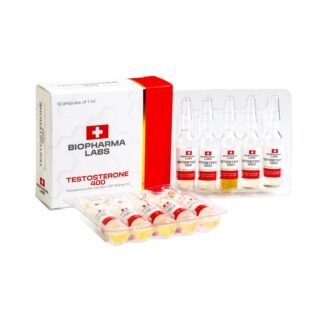
Testosterone 400 Biopharma 10 Ampoules
Original price was: $99.00.$75.00Current price is: $75.00.
-
Eq 300 steroid Rotterdam 10ml
Original price was: $79.00.$69.00Current price is: $69.00.
-
Steroid Deca Geno Pharma 300mg 10ml
Original price was: $110.00.$99.00Current price is: $99.00.
-
Boldenone Cypionate 200 mg / 10 mL Geno Pharma
Original price was: $90.00.$85.00Current price is: $85.00.
-
Somatrox XT Labs 150 IU x 10 vials (15 ui each)
Original price was: $450.00.$350.00Current price is: $350.00.
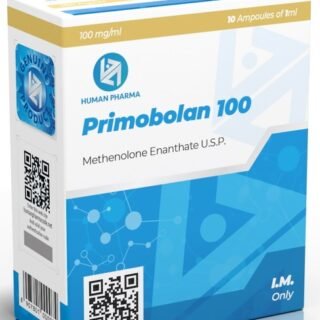
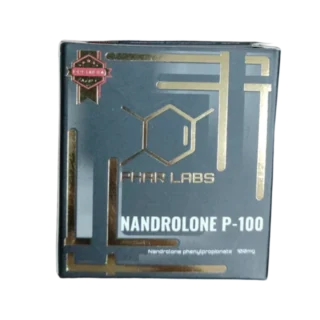



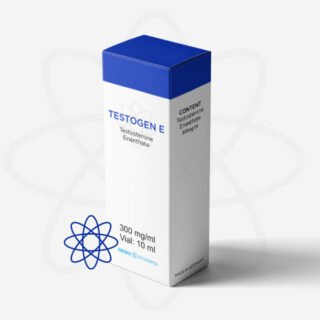
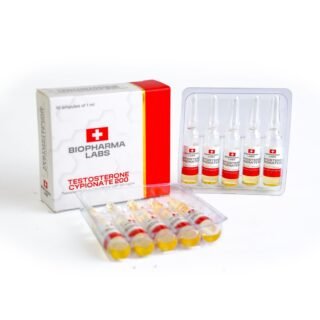



Testosterone Replacement Therapy (TRT) without insurance in the U.S. typically costs about $150–$250 per month out-of-pocket, depending on the treatment plan and provider. Over a full year, this can amount to roughly $1,800–$3,000 in total expenses. For example, a common TRT regimen of testosterone injections might average $100–$200 per month for medication and supplies, with additional costs for doctor visits and lab tests bringing first-year expenses to around $2,000 or more. (By contrast, if insurance covers TRT, patient costs would mainly be co-pays.) Important: TRT is a prescription therapy legally available only to patients with clinically low testosterone confirmed by blood tests and medical evaluation. All reputable U.S. clinics require proof of hypogonadism (low T) before starting treatment.
In this article, we’ll break down how much TRT costs without insurance – covering every expense from initial lab work and consultations to medication, follow-up care, and supplies. We’ll also provide real price examples from both in-person clinics (like Defy Medical and Low T Center) and online TRT providers (like Hone Health, TRT Nation, and Marek Health). Finally, we’ll compare monthly vs. yearly costs so you know what to expect over time.
How Much Does TRT Cost Without Insurance?
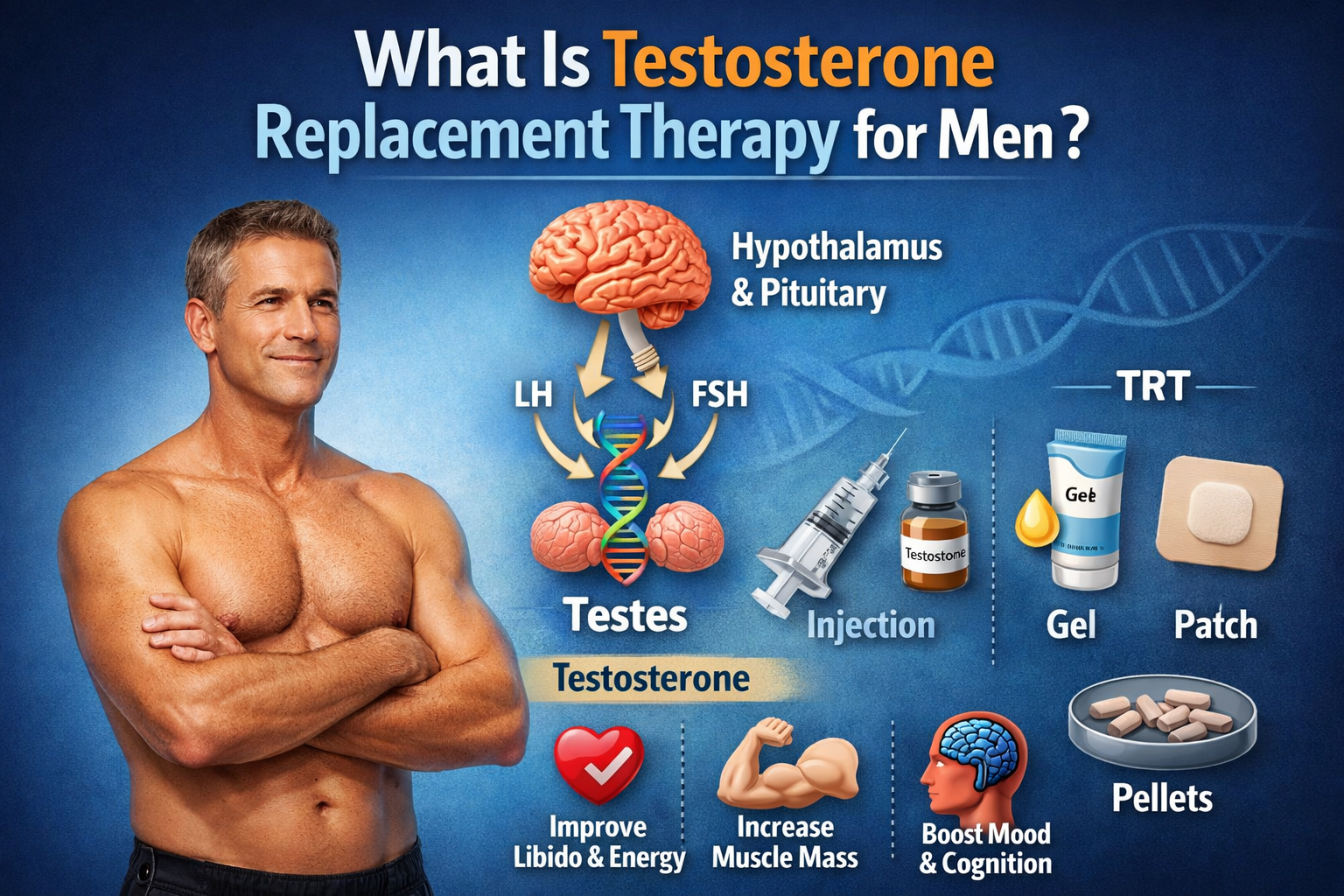
Out-of-pocket TRT costs can range widely, but on average most patients pay between $100 and $450 per month for the therapy itself. The exact amount depends on factors like the type of testosterone used, dosage, form of treatment (injections vs. gels vs. other forms), and provider fees. The cheapest option is usually injectable testosterone, whereas other methods like topical gels or pellets are significantly more expensive per month.
Injections are the most cost-effective form of TRT. A generic testosterone cypionate injection regimen may cost only $75–$100 per month for the medication when paying cash. In fact, a typical dosage (e.g. 100–200 mg weekly) comes out to roughly $1,200 per year for the testosterone drug itself. On the other hand, topical gels and creams can cost several hundred dollars per month (often $200–$500, and in some cases up to $800–$1,000 for brand-name products). Pellet implants, which are inserted under the skin every few months, have high upfront costs of around $1,000–$2,000 per procedure (lasting 3–6 months). Even oral TRT pills (like Jatenzo or Tlando) are extremely costly – often $1,000+ per month – and are rarely used due to their price and side effects.
To summarize the typical price range by TRT type (assuming no insurance coverage), see the comparison table below:
Typical Out-of-Pocket TRT Costs by Treatment Type
| TRT Modality | Approximate Cost (No Insurance) |
|---|---|
| Intramuscular Injections (Testosterone Cypionate/Enanthate) | $75–$100 per month for generic testosterone medication (around $1,200/year for drug). If administered at a clinic, add ~$50–$100 per weekly visit. |
| Topical Gels/Creams (e.g. AndroGel) | $200–$500 per month on average (brand-name gels can reach ~$800–$1,000/month). Applied daily to skin. |
| Skin Patches (Transdermal) | $300–$600 per month (patches tend to be pricier than gels). Worn daily; continuous hormone delivery. |
| Pellet Implants (Testopel or similar) | $1,000–$2,000 per procedure, typically lasting 3–6 months. Averages to ~$200–$400 per month when spread out. Requires minor surgical insertion. |
| Oral Capsules (Jatenzo, Tlando) | $1,000–$2,000 per month. Very high cost and less common due to liver side effects and lower usage. |
(Costs above are typical U.S. prices paid out-of-pocket in the absence of insurance. Generic versions and discount programs can help reduce some costs, especially for injectable testosterone.)
As the table shows, injections are by far the most affordable TRT option without insurance, whereas creams, patches, pellets, and oral formulations can be prohibitively expensive. Because of this, most cash-paying patients and clinics favor injectable testosterone as the first-line treatment for low T due to its effectiveness and low cost.
However, the medication cost is just one part of the total expense. In practice, TRT without insurance involves several cost components: initial lab tests, doctor consultations, the testosterone medication, possible ancillary medications, follow-up monitoring, and injection supplies. Below we break down each of these categories in detail.
Breakdown of Out-of-Pocket TRT Costs
When you undergo TRT and pay out-of-pocket, your expenses will generally fall into the following categories:
1. Lab Tests and Blood Work
Comprehensive blood testing is required to diagnose low testosterone and is typically the first step in TRT. Without insurance, lab tests can be a significant upfront cost. Prices vary depending on how extensive the panel is and where you get tested:
- Initial diagnostic labs: A full male hormone panel (total and free testosterone, estradiol, PSA, blood count, etc.) can cost around $200–$400 out-of-pocket. For example, Defy Medical (a TRT clinic) offers a general TRT lab panel for about $279. Some providers may charge even more – an 8-hormone lab panel can run as high as $800–$1,500 in some cases, especially if ordered through a hospital or specialty lab without insurance.
- At-home test kits: To reduce costs, some telemedicine services provide at-home blood test kits. These involve pricking your finger or visiting a local lab draw station, and can be cheaper. For instance, Hone Health’s at-home hormone assessment is $55 for a baseline test (covering multiple hormones). Other mail-in test kits range from about $80 to $350 depending on how many markers are checked.
- Follow-up labs: After starting TRT, periodic blood tests are done to monitor levels and adjust dosage. Typically, labs are repeated at 3 months and then every 6–12 months. Without insurance, follow-up lab panels may cost $100–$300 each (though often less comprehensive than the initial workup). For example, Defy Medical’s follow-up panels can be ~$130–$240 depending on what’s included. Some clinics offer simpler targeted tests (like just testosterone and hematocrit) for under $100. Tip: If you have any insurance or a cooperative primary care doctor, you might get some labs covered and share results with your TRT provider to save money.
Remember, TRT is only prescribed if labs confirm low T. U.S. guidelines often use a total testosterone level below ~300 ng/dL as a cutoff for hypogonadism, along with symptoms, to justify treatment. So this lab expense is unavoidable upfront – but it ensures you meet the medical criteria for therapy.
2. Initial Doctor Consultation
Consultation fees are the next major cost. When you first visit a clinic or online TRT provider, you’ll have an in-depth evaluation with a physician to review your symptoms, health history, and lab results. Without insurance, you pay this out-of-pocket:
- Typical price range: An initial TRT consultation (often 30–60 minutes) usually costs about $150 to $300 as a one-time fee. For example, Defy Medical charges $250 for the initial consult with their doctor. Marek Health (a telehealth clinic) requires a $250 initial deposit that covers your first doctor visit as well. Some local “low T” clinics might have initial visit fees around $150–$200 (Revive Low T Clinic advertises a first visit at $190 including basic labs).
- What it includes: This initial exam fee generally covers the physician’s time to diagnose you and formulate a treatment plan. At many clinics, it does not include the lab testing cost (which is separate, as above). However, some clinics bundle an initial testosterone test or basic labs with the first visit. Always check what’s included. Telemedicine TRT services often roll the consult into a startup package or kit fee. For instance, Hone’s $55 at-home test kit includes the first video consultation with a doctor to review your results, making it a very affordable initial setup.
- Follow-up consults: After starting therapy, you’ll also have periodic follow-up appointments (discussed more below). Some providers charge per visit, while others include follow-ups in a monthly subscription. But for initial budgeting, plan on ~$200 give or take for the first doctor evaluation if paying cash.
3. Testosterone Medication Costs (Injections, Gels, etc.)
The testosterone medication itself is a significant ongoing cost, but it varies a lot by the form of treatment:
- Injectable testosterone: This is the most common and budget-friendly option. Generic testosterone cypionate or enanthate injections are relatively cheap. Without insurance, a 10 mL vial of 200 mg/mL testosterone cypionate costs roughly $100–$150 at many pharmacies (sometimes as low as ~$40–$60 with discount programs). Each vial contains up to 2000 mg of testosterone. For a typical dose (say 100 mg per week), one vial can last about 20 weeks. This works out to approximately $20–$40 per month in medication cost for many patients, or around $240–$480 per year for testosterone injections. Even at higher doses (200 mg/week), the drug cost might be $40–$80 per month – still very affordable compared to other methods. Real example: Defy Medical reports their pharmacy offers a 10ml vial of testosterone cypionate for ~$129 (about a 1-2 month supply for typical dosing).
- Clinic injection fees: If you receive injections at a clinic (administered by the staff) rather than self-injecting at home, there will be an added cost for each visit. Many in-person TRT clinics historically charged $50–$100 per injection visit (often done weekly or bi-weekly). This can quickly add up to a few hundred dollars per month just in visit fees. Nowadays, however, many clinics offer at-home self-injection options to save costs. For instance, Low T Center now provides a self-injection program where the medication is shipped to you; they quote about $105 per month for the prescription testosterone delivered to your home. We’ll cover more on their model later, but the takeaway is that self-injecting can eliminate weekly office visit charges.
- Topical gels and creams: Branded testosterone gels (like AndroGel, Testim, Axiron, etc.) and compounded creams are considerably more expensive out-of-pocket. These are applied daily to the skin. Monthly costs typically range from $200 up to $500 for common dosage strengths. Some high-dose or brand-name gel solutions can approach $800–$1,000 per month. Unless you have excellent insurance coverage, gels can be cost-prohibitive for long-term therapy. (Also note: you still need periodic doctor visits/labs with gel therapy, so those costs stack on as well.)
- Testosterone pellets: Pellet therapy involves minor surgery to insert compressed testosterone pellets under the skin (usually in the hip area) every few months. Pellets release hormone over time. The cost without insurance can range from $1,000 to $2,000 per insertion session. Pellets last anywhere from 3 to 6 months depending on the dose and number of pellets. So you might pay this 2–4 times a year. On a monthly basis, pellet therapy averages roughly $200–$300+ per month. It’s one of the most expensive ways to do TRT out-of-pocket, though some patients prefer the convenience of not having weekly injections.
- Oral testosterone: Oral TRT (capsules like Jatenzo or Tlando) is extremely expensive if not covered by insurance – often over $1,000 per month. These medications are newer and are usually a last resort. Most patients and clinics avoid oral testosterone due to cost and potential liver side effects, sticking to injections or transdermal methods instead.
- Ancillary medications: In many TRT protocols, additional meds might be prescribed, such as hCG (human chorionic gonadotropin) to maintain fertility/testicular function, or an aromatase inhibitor (like anastrozole) if estrogen levels rise. If needed, these will add to your costs. Typically, hCG from a compounding pharmacy might cost about $50–$80 for a multi-week vial, and anastrozole pills cost on the order of $2 each (and not everyone needs these). For example, Defy Medical’s pricing was ~$79 for a 12,000 IU vial of hCG (a few months’ supply) and about $1.60–$3 per anastrozole tablet. If you require these medications, you might spend an extra $10–$30 per month on them. Many patients on injections don’t need anastrozole or hCG, but it varies per individual.
In short, the ongoing medication expense for TRT can be as low as under $50 a month (for self-administered injections only) or as high as several hundred a month (for other delivery methods or if multiple drugs are used). Most uninsured patients choose injectable testosterone to keep costs down.
4. Follow-Up Visits and Ongoing Monitoring
TRT is not a one-and-done treatment; it requires continuous medical monitoring. You’ll have follow-up appointments with your provider periodically to review your progress, adjust dosage, and ensure safety. Without insurance, expect to budget for these visits:
- Frequency: Initially, follow-ups may be more frequent (e.g. at 6 weeks or 3 months after starting therapy). Once you’re stable on a dose, most clinics see you every 3–6 months for check-ins and lab reviews. For example, a common schedule is a 3-month follow-up, then another at 6 months, then every 6 months thereafter.
- Cost per follow-up: In-person clinics often charge a standard visit fee for each follow-up. Low T Center, for instance, notes that once you’re on a stable regimen, quarterly follow-up visits (including an in-office injection) cost about $135 each. Another clinic, Revive Low T, packages follow-ups at roughly $150 per visit (10 visits in first year). Telemedicine TRT providers might charge lower follow-up fees or include them in membership plans. Defy Medical’s follow-up consultations cost $90 (with a mid-level provider) or $165 (with a physician) per session. They typically require two follow-ups in the first year after the initial 3-month check, then about two per year afterwards. These fees are in addition to any lab testing done at those intervals.
- Membership/subscription models: Some online TRT services use a monthly subscription fee that covers ongoing care instead of itemized follow-up charges. For example, Hone Health has a $129 per month membership. This fee includes unlimited messaging and support, follow-up telehealth consultations every 3 months, and even periodic lab tests and medication shipping. In such a model, you wouldn’t pay a separate office-visit fee each time – it’s built into the monthly cost. TRT Nation similarly advertises a flat $99 per month program that includes medication and physician oversight, with no separate consult fees (labs are extra). We’ll detail these in the provider examples section, but the point is some clinics charge per visit, while others spread the cost over a subscription.
- What about primary care or insurance-covered visits? If you’re working with a regular doctor (endocrinologist or urologist) and you have insurance, follow-up visits might just require a co-pay. But since we’re discussing the no-insurance scenario, assume you’ll be paying the provider’s cash rate each time. Some patients minimize visits by doing lab work externally and only checking in as needed. However, standard of care is to maintain routine monitoring for safety (checking blood counts, estrogen, PSA, etc.). It’s wise to budget a few hundred dollars per year for follow-up consultations when paying out-of-pocket.
5. Injection Supplies and Miscellaneous Costs
If you are self-injecting testosterone at home, there are minor additional costs for supplies. Fortunately, these are quite cheap:
- Syringes and needles: Testosterone injections typically use disposable syringes and needles (often a larger gauge needle to draw the thick oil, and a finer needle to inject). These can be bought in bulk online or at pharmacies for very low cost – on the order of $15–$30 for a box of 100. That means each injection’s supplies cost just cents. Some clinics will include the necessary syringes/needles with your medication shipments. For instance, telehealth providers often send you a care package with syringes, alcohol swabs, and a sharps container as part of the service. Hone Health’s membership explicitly includes all medication delivery and necessary supplies each month. But if not included, you should allocate only a few dollars per month for injection kit supplies.
- Sharps container: It’s recommended to have a sharps container for safe needle disposal at home. These cost about $5–$15, or you can use a heavy-duty plastic jug as a makeshift container at no real cost. Disposal rules vary by area, but many pharmacies or clinics will let you drop off full sharps containers occasionally for free.
- Shipping or pharmacy fees: If you get medications mailed from a compounding pharmacy or provider, there might be shipping fees. Many online TRT services offer free or included shipping (TRT Nation includes free shipping; Hone’s $129/mo covers 2-day FedEx shipping). If you pick up testosterone at a local pharmacy, you might pay a standard dispensing fee included in the cash price. These costs are usually minor (under $20) but worth noting.
- Miscellaneous: Other potential out-of-pocket costs could include things like B12 or micronutrient supplements if recommended, or additional medications (e.g., clomiphene if attempting to boost T without starting full TRT). These are case-dependent. Generally, the core costs are those outlined above: labs, doctor fees, testosterone, and follow-up care.
Now that we’ve broken down each component, let’s look at some real-world examples of what actual TRT clinics and services charge patients without insurance.
Real Examples: TRT Costs at Various Clinics and Providers
Prices can vary between different TRT providers, so it’s useful to compare. Below are a few real price examples from well-known in-person clinics and online TRT services in the U.S. Keep in mind that pricing structures differ – some are pay-as-you-go, others are monthly plans. All costs assume no insurance coverage is being used:
Defy Medical (Telemedicine TRT Clinic)
Defy Medical is a nationwide telemedicine clinic specializing in hormone replacement. They operate on a fee-for-service model (no monthly subscription). Here’s a breakdown of Defy’s typical costs:
- Initial consultation: ~$250 for a one-hour video consult with a Defy physician.
- Initial lab panel: ~$279 for a comprehensive male hormone bloodwork panel (if needed – you can also submit recent equivalent labs from your own doctor to potentially skip this cost).
- Testosterone medication: ~$129 for a 10ml vial of testosterone cypionate (200 mg/mL). This vial lasts ~1-2 months on an average dose, equating to about $40–$50 per month for the medication.
- Other meds: (if prescribed) HCG ~$79 for 12,000 IU (3 month supply) and Anastrozole ~$2 per pill. Not everyone will need these.
- Follow-up consultations: Defy requires a 3-month follow-up, then roughly every 6 months. Follow-up visit fees are $90 (with a nurse practitioner/PA) or $165 (with a doctor). Often patients alternate to control costs (e.g. see the MD once a year, NP for other follow-up).
- Follow-up labs: Defy’s typical follow-up bloodwork costs ~$130–$250 each time depending on the extent, done 2–3 times in the first year.
Estimated total cost: According to Defy’s own data, the first year for a typical male TRT patient might range around $1,300 (low end) up to $2,000 (if multiple meds are used). They reported an example where everything (consults, labs, testosterone, HCG, anastrozole) summed to about $1,890–$2,215 for the first year, which is roughly $155–$185 per month average. By the second year, costs drop to around $1,500–$1,700 per year (because the initial one-time fees are out of the way and follow-ups can be less frequent).
Overall, Defy Medical’s model often works out to under $250 per month on average for comprehensive TRT care (after the upfront expenses). They are known for working with patients to keep therapy affordable while providing individualized telemedicine care.
Low T Center (Brick-and-Mortar Clinic)
Low T Center is a chain of physical clinics across the U.S. that treat men with low testosterone. Historically, Low T Center had patients come in for weekly injections, but they now offer an at-home self-injection program. Key cost points:
- Initial evaluation: Low T Center often advertises a low-cost or free initial testosterone blood test to see if you have low T. For example, some locations offer a complimentary T level test or a small fee (like $25) for new patients. After confirming low T, they’ll do a more comprehensive workup and exam (cost not openly published, but expect a few hundred dollars if paying cash).
- TRT at Home program: If you qualify for treatment, Low T Center can ship you testosterone for self-injection at home for as little as $105 per month. This presumably covers the medication and supplies. In practice, self-pay patients pay about $155 per month total, which “includes all your monthly treatment supplies, remote monitoring, etc.”. Essentially, $155/month is the flat self-pay rate they cite for at-home therapy (which equates to ~$36 a week) – aligning with $105 of that for the prescription and the rest covering care.
- Follow-up visits: Even on the at-home plan, you will have periodic in-clinic visits. Initially, follow-ups might be every 5 weeks for the first few months, then every 3 months. Each follow-up visit (with labs and an in-office injection if needed) costs about $135 according to Low T Center’s information. With the at-home program, these quarterly check-ins ensure you’re monitored by a provider. The $155/month figure mentioned above likely factors in an average of these visits over time (for pure self-pay, Low T Center seems to bundle it).
- Overall costs: Low T Center’s marketing says you get everything needed to treat low T from home for ~$105–$155 per month. In practice, if you break it down annually, that’s around $1,800 per year for the treatment when paying without insurance. This aligns with other clinics: Revive Low T (a similar clinic) estimates about $1,800/year for visits and labs, or ~$2,400/year including medications. Low T Center’s advantage is convenience and a set monthly price for self-pay. If you opt instead to do weekly in-office injections, the cost could be higher (e.g. $70 per weekly shot would be ~$280/mo). The at-home model is more budget-friendly and is now emphasized by Low T Center.
In summary, at Low T Center a patient paying cash might expect about $150 per month on average for ongoing therapy (plus any initial workup fees). They also note that they accept HSA/FSA funds, which can ease the out-of-pocket burden with pre-tax dollars (as many providers do).
Hone Health (Online TRT Provider)
Hone Health is a popular online TRT provider that uses a subscription model. They combine at-home lab testing with telemedicine consultations and home delivery of meds. Here’s how their pricing works for uninsured patients:
- Initial testing kit: $45–$55 for an at-home blood test kit that measures your testosterone and other hormones. Hone often offers a $45 initial kit promo. This includes a video consultation with a Hone-affiliated physician to review results. If your T levels are low and you’re a candidate, the doctor can prescribe TRT.
- Membership fees: Hone has a membership plan at $129 per month (called Hone Complete). This monthly fee covers ongoing care: it includes all follow-up telehealth consultations (they schedule doctor check-ins every 3 months), continuous messaging support, quarterly at-home lab kits to monitor your levels, and home delivery of medications and supplies each month. Essentially, the $129 is the service fee for managing your TRT regimen.
- Medication cost: On top of the membership, you pay for the medication. Hone’s testosterone cypionate injections start at $28 per month for the medication. (This would be for a relatively low dose; actual med costs scale with dosage, so many patients might pay somewhere in the $50–$100/month range for their testosterone prescription). Hone separates the med cost so you see it itemized. They do also offer other treatments (like gonadorelin, etc., in lieu of hCG) which would add cost if used.
- Total monthly cost: Hone often advertises that TRT through their platform starts around $150–$180 per month all-in. For example, Hims (another telehealth company) compared their services and noted Hone’s TRT typically runs ~$177/month including the membership and medication. If your dose is higher, it could exceed $200. But generally, a Hone patient might be paying roughly $155–$200 per month out-of-pocket for everything (which is comparable to in-person clinics, with the benefit that it’s a flat monthly bill covering labs and consults).
- Example: If you paid $129 membership + $50 medication, that’s $179/month. Annually that’s ~$2,148. Hone often points out that this is similar to what your costs might be even if you had insurance co-pays (since many insurance plans require expensive specialist visits and labs out-of-pocket). They also accept HSA/FSA cards for payment.
In summary, Hone Health’s out-of-pocket plan is around $170 per month on average, covering all doctor visits, labs, and meds. There is a small upfront of ~$45–$55 for the initial test kit, but no separate consult fees beyond that. It’s a convenient but somewhat premium option for those without insurance coverage.
TRT Nation (Online Clinic)
TRT Nation is known for being one of the most affordable telemedicine TRT clinics, often appealing to budget-conscious consumers. They offer a straightforward flat pricing but require a short commitment:
- Monthly cost: $99 per month for their TRT plan. This covers the testosterone medication and ongoing physician oversight. They ship your testosterone (and any other prescribed meds) to you directly, and you have access to their medical team for adjustments.
- Up-front commitment: TRT Nation’s $99/mo rate requires you to commit and pay for 2.5 months upfront. In practice, that means about $250 as an initial charge covering the first ~10 weeks. After that, it’s $99 billed monthly. They frame it as a flat $99/month with no hidden fees.
- Labs not included: Unlike some providers, labs are NOT included in TRT Nation’s base price. Patients must either provide recent lab results demonstrating low T or pay separately for lab work. TRT Nation gives you the option to order labs through them or get your own – this allows patients to use insurance or cheaper lab services if possible. If you do labs through them or a partner, that cost would be additional (perhaps on the order of $70–$150 for initial labs via a discounted route).
- Follow-ups: TRT Nation’s model implies that follow-up consults are included in the membership (they have providers who will review your progress as part of the service). There isn’t a separate “consult fee” each time – it’s all in that $99/month. Essentially, they are trading off having very minimal overhead (no fancy programs, mostly just prescribing and monitoring basics) for that low price. This is appealing if you know exactly what treatment you want.
- Overall: If you stick with TRT Nation, you’re looking at $1,188 per year in subscription fees (plus whatever you spend on periodic labs). Labs might be needed 2–3 times in the first year, so maybe another ~$200–$300 in lab costs. That puts the first-year total around $1,400–$1,500 (assuming you had to pay for labs) which is indeed very competitive. By comparison, many others come closer to $2k/year. The trade-off might be less hand-holding or fewer included services, but many patients find this worth the savings.
In short, TRT Nation offers TRT for roughly $100 a month out-of-pocket, not counting lab fees. It’s a bare-bones, no-frills approach but one of the cheapest advertised rates in the country for legitimate TRT care.
Marek Health (Telehealth Clinic)
Marek Health is a premium telehealth provider that focuses on comprehensive health optimization (backed by influencers like Derek from MPMD). Their pricing is a bit more complex and generally higher, as they emphasize extensive lab work and personalized plans. Here’s an overview for TRT costs:
- Lab work: Marek requires comprehensive initial labs before your first consult. They offer packages – a basic hormone panel might be ~$150, but their recommended panels are around $450 (and can go higher if you add more tests). Many patients opt for the $450 initial lab package which checks a wide range of markers. They sometimes have promotions or options to use insurance for labs, but often it’s out-of-pocket.
- Initial consultation: Marek’s process involves first speaking with a Patient Care Coordinator (free) and then a medical provider. They charge a $250 intake fee, which covers the first physician consultation (this $250 actually is taken as a deposit that goes toward the doctor visit). Essentially, expect to pay ~$250 to get your results reviewed and a plan made with a doctor.
- Treatment plan costs: Marek does not have a flat monthly fee; you pay for what you need. They indicate that a typical TRT treatment cycle (6–12 months) costs about $500–$1,000 in total through Marek. This presumably includes the follow-up consults and basic medications. If we interpret that: $500 for 6 months (~$83/mo) up to $1,000 for 12 months (~$83/mo as well) – that seems on the low side, so likely that $500–$1,000 range is in addition to the initial labs/consult. It might account for the cost of medication and a couple of follow-ups.
- Medication pricing: Marek uses partner compounding pharmacies for medications. Their testosterone pricing is similar to others (roughly $100 for a vial, etc.). However, Marek offers a wide array of other therapies (peptides, etc.). If you add those, costs increase. For reference, they mentioned 30 days of Enclomiphene (alternative to TRT) costs ~$75 and certain peptides like BPC-157 cost $350 for a vial. So if you only do TRT, your med costs might be $50/mo; if you add peptides or extra supplements, it climbs.
- Follow-up and support: Marek’s model is more à la carte. You might pay for follow-up consults as needed (likely ~$100+ each), and additional lab panels during treatment (they note at least $200 for labs each time, possibly done a few times). This means a diligent patient could spend a couple hundred every few months on labs/consults. Marek positions itself as high-service, so you get a lot of guidance for the cost.
- Overall expectations: Marek Health is often more expensive upfront (with the big lab packages) and can be a bit more expensive monthly if you utilize all their offerings. A rough estimate for a straightforward TRT regimen through Marek might be: $250 initial + $450 labs + $200 (meds for a few months) + $200 follow-up labs + $150 follow-up consult = ~$1,050 for maybe 3-4 months of treatment. Over a year, you could easily spend $2,000–$3,000 with Marek if you follow all their comprehensive testing and optimization recommendations. Some users report that $200/month is a reasonable ballpark for being on Marek’s program including everything.
In summary, Marek Health caters to those willing to invest a bit more for a very thorough, concierge approach. They might not be the cheapest route, but they offer personalized treatment. If cost is a primary concern, one of the more basic clinics might be a better fit; but if having cutting-edge protocols and detailed monitoring is worth the premium, Marek’s costs (roughly ~$2k/year or more) may be justified.
These examples illustrate that TRT without insurance can be managed at various budget levels. Whether you choose a local clinic that charges per visit, or a subscription-based telehealth service, the range is typically $150 to $250 per month when averaged out, as we’ve seen. Next, we’ll compare the monthly vs annual perspective and discuss how costs may change over time.
Monthly vs. Yearly TRT Cost Estimates
It’s often helpful to project your TRT expenses on both a monthly and yearly basis:
- Monthly costs: For most patients paying out-of-pocket, expect about $125 on the very low end to $250+ on the high end per month for ongoing TRT therapy. Around $150–$200 per month is a reasonable median for injection-based treatment including occasional labs/visits. This monthly figure might be relatively higher in the first few months as you pay for initial setup fees.
- First-year total: The first year of TRT is usually the most expensive. It includes one-time costs like the initial consultation and initial lab work, which can total a few hundred dollars upfront. According to one clinic’s breakdown, the first year of treatment might cost about $1,800 (visits and labs) + medication costs, bringing it to roughly $2,400 for the year (~$200/month) on average. If a patient requires additional meds like hCG, the cost could be a bit higher (Revive Low T Clinic found the average with testosterone, hCG, and anastrozole to be ~$200/month). Defy Medical’s example of ~$1,900–$2,200 for year one falls in this same ballpark.
- Subsequent years: After the first year, annual costs tend to drop. You won’t pay the initial consult fee again, and if you’re stable, you might reduce lab frequency and doctor visits. Many patients see their yearly out-of-pocket expenses go down by 20–30% in year two. For instance, Defy notes year two of therapy often comes out to $1,500–$1,700 total, compared to up to $2k in year one. Another clinic suggests that without the frequent first-year labs, you might spend $150–$180 per month in subsequent years for injections, which is ~$1,800–$2,160 annually. In short, once you’ve done the initial heavy monitoring and found the right dose, you pay mostly for maintenance.
- Cost over a lifetime: TRT is typically a long-term commitment (potentially lifelong, unless you discontinue). So budgeting for it is important. If you’re paying ~$1,500–$2,000 a year, over 10 years that’s $15,000–$20,000 in healthcare costs to consider. Some patients offset this by using Health Savings Accounts (HSA) or Flexible Spending Accounts (FSA) to use pre-tax dollars for TRT expenses. Others periodically shop around for competitive pharmacy prices or clinic fees. The good news is that competition among TRT providers (especially telehealth) has increased, and prices have become more transparent and affordable in recent years.
To put it simply, plan for around $2,000 in out-of-pocket costs in the first year of TRT, and potentially a bit less (~$1,500) in each subsequent year once things stabilize. This assumes an injection protocol; if you opt for pricier modalities like gels or pellets, those numbers will be higher.
Key Takeaways on TRT Costs and Access
- TRT is only for true low-T: Remember that testosterone is a controlled substance and is only legally prescribed for diagnosed hypogonadism (clinically low testosterone levels with symptoms). You cannot simply buy testosterone over the counter, and reputable clinics will require blood test proof of low levels before treatment. This is both for legal compliance and your safety.
- Out-of-pocket costs can be managed: While TRT without insurance does require a financial commitment, there are many options to keep it affordable. Injections offer a high-value choice at ~$100–$200/month typical spend. Shopping around or using telemedicine can yield competitive pricing (as low as ~$99/month in some cases). If you have a high-deductible insurance plan that doesn’t cover much, paying cash through a TRT specialty clinic might even be cheaper than going through insurance.
- Insurance coverage varies: If you do have insurance, check your policy – some plans cover TRT if you meet medical criteria (e.g., pituitary or testicular disorder causing low T). Insurance coverage could drop your costs to just co-pays for labs and meds. However, many men find their insurance won’t cover “age-related” low T or has hoops to jump through, leading them to pay out-of-pocket anyway. Always obtain a proper diagnosis and prescription; do not try to source testosterone from unregulated places to save money, as that is unsafe and illegal.
- Consider value, not just price: While cost is important, also weigh the quality of care. The cheapest clinic might not provide thorough monitoring, whereas a slightly more expensive provider might include comprehensive labs and personalized guidance. Fortunately, many clinics now are fairly transparent with pricing. Whether you choose a local Low T Center or an online service like Hone, you have the ability to know ahead of time what you’ll be paying.
In conclusion, TRT without insurance in the U.S. generally runs on the order of a couple hundred dollars per month when all factors are considered. By understanding the breakdown of costs – labs, consultations, medication, and follow-ups – you can budget accordingly and choose the provider that fits your needs and finances. Always ensure you’re working with a qualified medical professional, and you’ll be able to safely reap the benefits of testosterone therapy while keeping your expenses under control.
How Much Is TRT Without Insurance? Full Breakdown of the Cost of TRT Without Insurance in the USA
How much is TRT without insurance for basic testosterone injections?
Without insurance, testosterone cypionate injections typically cost $75 to $100 per month, depending on your dose, brand, and whether you buy from a retail or compounding pharmacy.
What is the average cost of TRT without insurance for a full year?
The yearly cost of TRT without insurance ranges between $1,500 and $3,600, depending on medication, lab frequency, clinic fees, and additional treatments like hCG or anti-estrogens.
How much is TRT without insurance if you go through an online clinic?
Online TRT clinics (like Hone, Marek, or Defy Medical) offer plans that cost $120–$250 per month, often including doctor consults, medication, and support—but labs may be extra.
What’s the cost of TRT without insurance when using brand-name testosterone gels?
Brand-name gels like AndroGel can cost $200–$300 per month without insurance. Compounded testosterone gels may be slightly cheaper at around $100–$150/month.
How much is TRT without insurance including lab tests and consultations?
Initial consultations and labs can cost $150–$300 upfront, and ongoing labs every 3–6 months can add another $100–$300 each, depending on the clinic and test panel.
What is the cost of TRT without insurance at walk-in hormone clinics?
In-person TRT clinics typically charge $150–$300 per month. Some bundle meds, visits, and labs, while others charge separately for each service.
How much is TRT without insurance for compounding pharmacy testosterone?
Compounding pharmacies offer testosterone injections starting around $75–$100/month, often lower than chain pharmacy prices but still requiring a valid prescription.
What’s the cost of TRT without insurance if you’re under 30?
Even if medically approved, TRT without insurance for men under 30 costs the same—around $150–$250/month—but getting a prescription can be more difficult due to stricter guidelines.
How much is TRT without insurance for pellet therapy?
Pellet therapy can cost $500–$800 every 3–6 months, translating to $1,000–$2,000/year, and is usually more expensive than injections or gels.
What is the full cost of TRT without insurance including support meds like hCG or anastrozole?
Adding hCG or anastrozole increases your TRT costs by $30–$100/month, making the total closer to $250–$350/month for a full therapy protocol.
How much is TRT without insurance from Defy Medical?
Defy Medical typically charges $150–$250/month without insurance, including meds and physician oversight. Initial labs and consults are extra.
What’s the cost of TRT without insurance when using Marek Health?
Marek Health offers entry packages around $135/month, but most users report spending closer to $200–$250/month with labs and added medications.
How much is TRT without insurance with at-home delivery services?
Many TRT providers include shipping in their fees, but some charge $10–$25/month extra for delivery and supplies (needles, alcohol pads, etc.).
What is the cost of TRT without insurance at Low T Center?
Low T Center charges around $135 for initial visits, with ongoing treatment plans averaging $200–$250/month without insurance.
How much is TRT without insurance if you’re not eligible for Medicare?
Without Medicare or private insurance, you’ll pay all TRT expenses out-of-pocket—expect $2,000–$3,500/year, depending on treatment type and clinic.
What’s the cost of TRT without insurance when using telemedicine only?
Telemedicine-only services (like Alphagenix, Rejuvime) cost $120–$220/month, though some require separate lab appointments at local testing centers.
How much is TRT without insurance if you need quarterly bloodwork?
If you do labs every 3 months at $150–$300/test, it adds $600–$1,200/year to your base TRT costs, making full care around $3,000/year.
What is the cost of TRT without insurance if you add fertility preservation?
Adding fertility meds like hCG or enclomiphene can raise costs by $50–$150/month, increasing the total therapy expense significantly.
How much is TRT without insurance for men over 50?
Older patients may need closer monitoring, but base TRT costs remain around $200–$300/month, depending on their provider and medication preferences.
What’s the cost of TRT without insurance with no bundling or discounts?
Without bundled packages or discount plans, you’ll pay $100–$150/month for testosterone, plus labs and consults, reaching $300–$400/month total.
How much should I expect to pay for a TRT consultation without health coverage?
A typical testosterone replacement therapy (TRT) consultation without insurance in the USA ranges from $100 to $300 for the initial visit. This fee usually covers a basic evaluation and discussion of symptoms. Online clinics like Defy Medical and Marek Health fall within this range. Some local men’s health clinics may charge more if additional services are bundled.
What are the typical laboratory test costs for TRT initial assessment when uninsured?
For uninsured patients, lab panels required for TRT generally cost between $100 and $250, depending on the provider. These tests often include total testosterone, free testosterone, CBC, lipid profile, estradiol, and PSA. At places like Revive Low T Clinic or Marek Health, bundled lab packages may reduce the price. Some sources, including SteroidsOnlineUSA.com, offer guidance or recommend labs for users who are self-managing their protocols.
Where can I find affordable TRT services without insurance coverage?
Affordable TRT services for uninsured patients are available through online platforms like:
- PeterMD (subscription-based)
- TRT Nation
- Defy Medical
- Hone Health
- SteroidsOnlineUSA.com – While not a clinic, it offers competitive pricing on testosterone cypionate for experienced users who already understand their dosing and lab needs.
These services vary in whether they require ongoing physician oversight or just offer pharmacy fulfillment. Always verify prescription requirements.
Where can I find affordable clinics offering TRT for self-pay patients?
Affordable clinics for self-pay patients include national and telehealth providers such as:
- TRT Nation
- Low T Center
- Revive Low T Clinic
- The HRT Club
- SteroidsOnlineUSA.com – A cost-conscious option for sourcing testosterone without insurance, but not a substitute for clinical evaluation.
Look for packages that bundle consults, labs, and medication to save on costs.
Can I buy TRT medications online without insurance, and what is the price range?
Yes, it is possible to purchase TRT medications online without insurance. U.S.-based telehealth services often offer testosterone cypionate 200mg vials for $50–$150 depending on the provider and whether labs are included. For example:
- Defy Medical: ~$100/month (medication only)
- Marek Health: ~$75–$120/month
- SteroidsOnlineUSA.com: Offers 200mg/mL testosterone cypionate vials starting around $61, making it one of the more affordable options for experienced users who already know their therapeutic needs.
Note: Even when insurance isn’t needed, these platforms often require a prescription.
What clinics offer low-cost TRT options for uninsured patients?
Several clinics cater to uninsured individuals by offering transparent pricing and bundled packages:
- PeterMD – Comprehensive plans starting at ~$99/month
- Revive Low T Clinic – First-year cost breakdowns with regular follow-ups
- Total Men’s Primary Care – In-person TRT programs with cash pricing
- SteroidsOnlineUSA.com – An alternative option for purchasing testosterone directly, especially for those experienced with TRT and dosage management.
Are there options for purchasing TRT medication at a reduced price without insurance?
Yes, multiple options exist:
- Use discount cards like GoodRx for pharmacy-grade testosterone (as low as ~$52.96 per vial)
- Join subscription-based clinics like PeterMD or Hone Health
- Buy from SteroidsOnlineUSA.com, where high-concentration vials (200mg/mL or more) start at $61
Make sure to compare long-term pricing, as some options include follow-up care while others are medication-only.
Sources:
- SingleCare – Cost of testosterone per month (no insurance)
👉 https://www.singlecare.com/prescription/testosterone - Hone Health – TRT cost without insurance & Hone pricing
👉 https://www.honehealth.com/learn/testosterone-replacement-therapy-cost/ - Virginia Family Medicine – TRT cost by treatment type (injection vs gel vs pellet)
👉 https://www.vafamilymed.com/testosterone-replacement-therapy-trt/ - Excel Male (Defy Medical) – Defy Medical pricing (labs, consults, meds) and yearly estimates
👉 https://www.excelmale.com/forum/forums/defy-medical-telemedicine-and-hormone-replacement.75/ - Reddit (Defy user) – Actual patient report of Defy costs
👉 https://www.reddit.com/r/Testosterone/comments/vu8ogx/defy_medical_experience_cost_breakdown/ - Low T Center – At-home TRT program cost and follow-up fees
👉 https://www.lowtcenter.com/services/testosterone-therapy/ - Revive Low T Clinic – First-year cost breakdown and monthly averages
👉 https://revivelowtclinic.com/testosterone-replacement-therapy-cost/ - Muscle and Brawn – Marek Health costs (labs & consults)
👉 https://muscleandbrawn.com/marek-health-review/ - Healthline News – FDA approval: TRT only for men with low T, confirmed by tests
👉 https://www.healthline.com/health-news/fda-rules-on-testosterone-therapy-031015


Leave a Reply